Nevada’s travel and tourism sector is preparing for a period of slower growth, according to new forecasts released by UNLV’s Center for Business and Economic Research. The 2025 Economic Outlook, presented in Las Vegas on Nov. 13, offers one of the clearest views yet of how the state’s visitor-driven economy is expected to perform in the coming years.
The outlook arrives at a pivotal moment for Nevada, following record-breaking events such as Super Bowl LVIII and the debut of the Las Vegas Grand Prix, which helped push visitor spending to new highs. Yet forecasters say the next stage of recovery will be marked by moderation rather than further surges, as global uncertainty, inflation and domestic travel patterns reshape demand.
Statewide visitor volume is expected to hold near 50–51 million travelers annually, with a slight decline projected in 2026 and 2027. UNLV economists do not anticipate a recession, but they expect consumers to become more cautious, affecting discretionary travel decisions. Even so, Nevada’s tourism sector is forecast to remain resilient, supported by its global brand strength and major events pipeline.
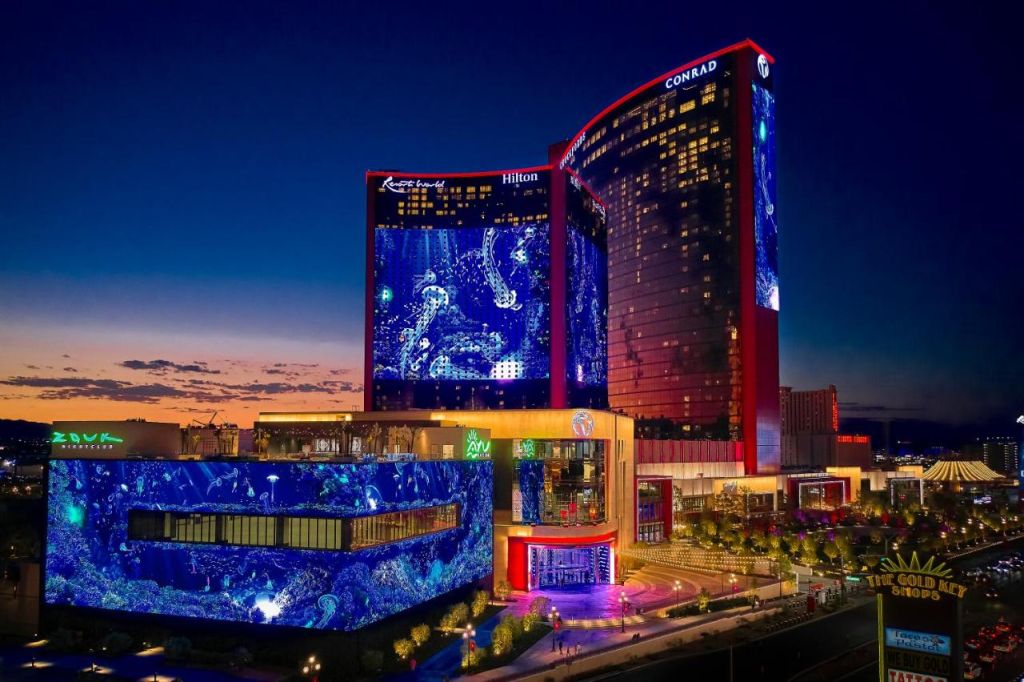
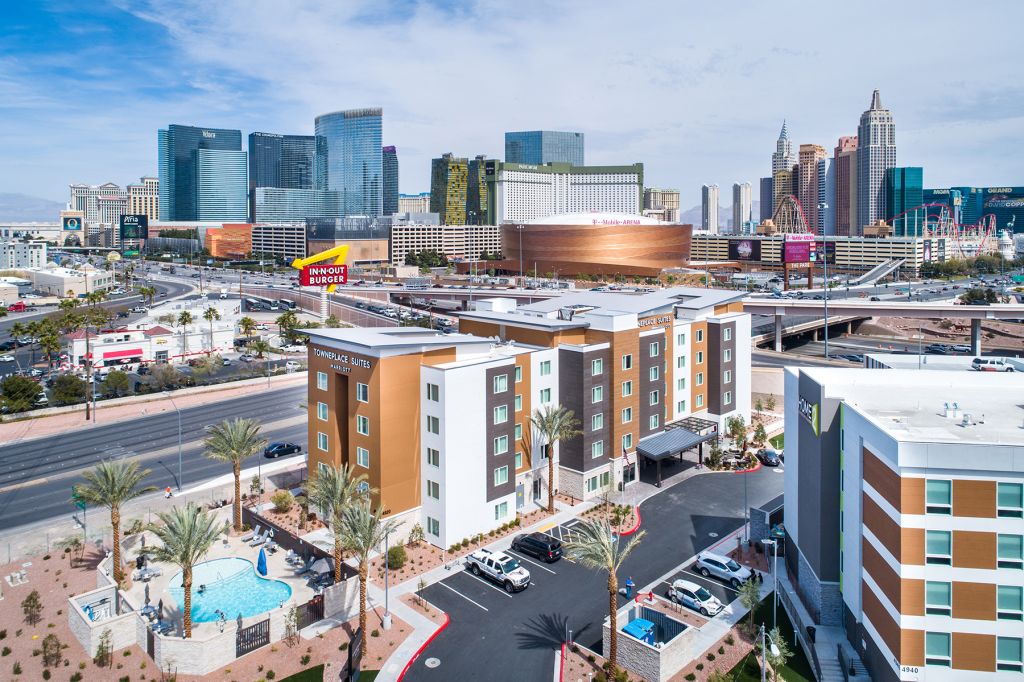
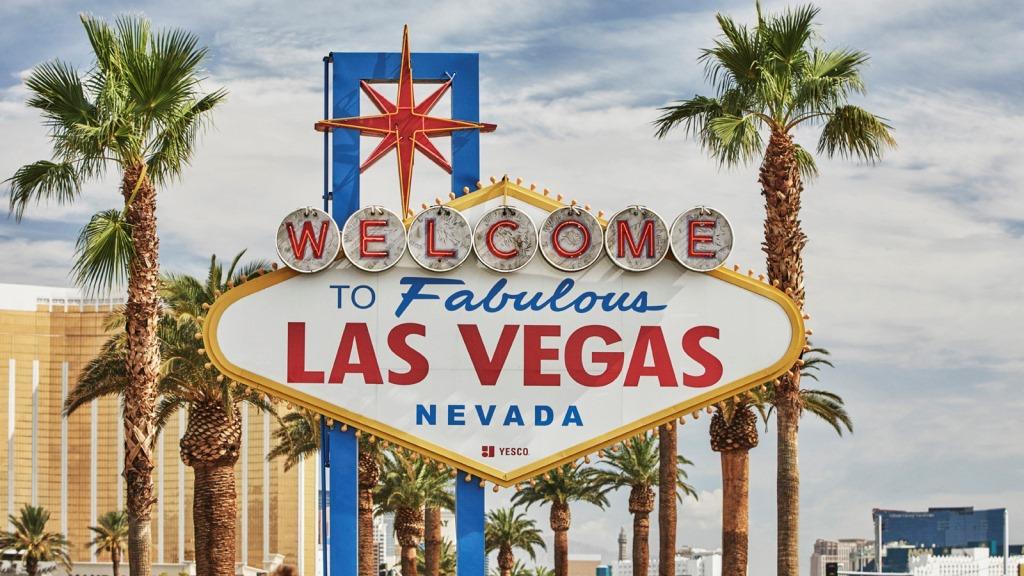
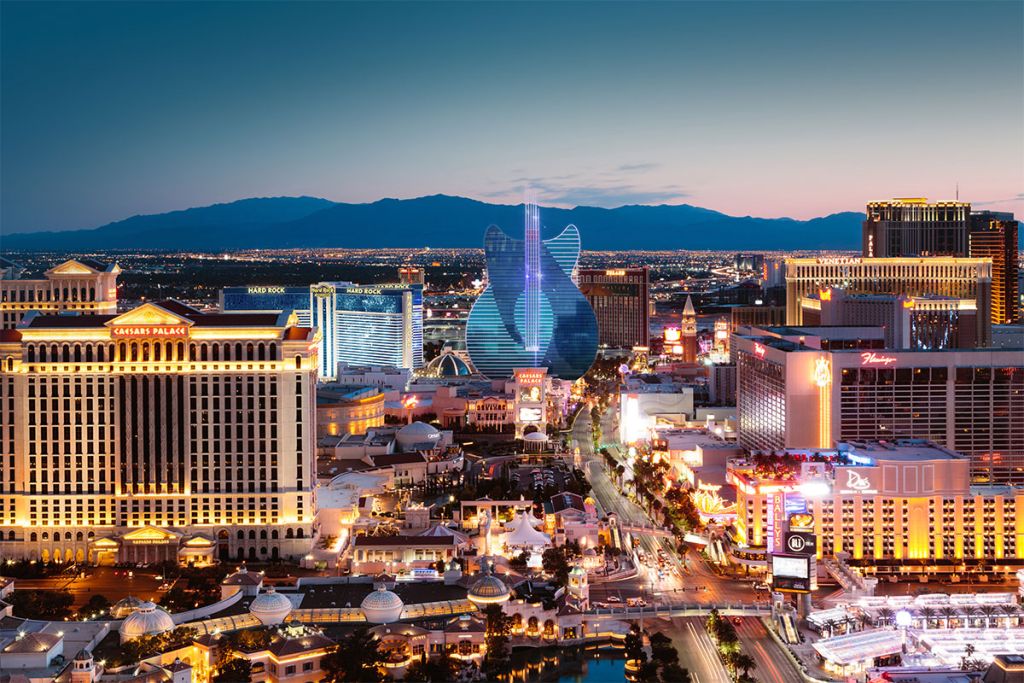
In Southern Nevada, where Las Vegas anchors one of the world’s busiest leisure destinations, visitor projections show similar stability. Volumes are expected to rise slightly in 2026 before easing the following year, hovering near 40 million. Employment in leisure and hospitality will continue to grow, though at a slower pace than during the immediate post-pandemic rebound.
The report notes that Las Vegas experienced one of the sharpest downturns of any U.S. metro due to its dependence on face-to-face service industries. While those sectors have since recovered, the market is now adjusting to more sustainable long-term levels. Even with slower growth, the hospitality ecosystem remains strong: business travel has stabilized, international travel is gradually rebuilding and major new resorts and attractions are under development.
Sports tourism continues to emerge as one of Nevada’s most powerful demand drivers. The success of the Grand Prix, the arrival of the Raiders and Golden Knights and the city’s growing portfolio of global events all demonstrate the region’s ability to convert sports into year-round travel demand. Forecasters expect this segment to expand further as additional franchises and arenas come online.
The hotel and housing markets tell a more complex story. Statewide, housing permits are expected to decline before rebounding in 2026, and prices are forecast to cool modestly. While not a traditional travel metric, housing affordability affects workforce stability in tourism-centric cities, influencing service capacity and the destination’s long-term competitiveness.
UNLV researchers underscored that Nevada is making meaningful progress in diversifying beyond tourism, with notable investment in healthcare, logistics, manufacturing and information technology. For the travel sector, diversification can reduce volatility and help maintain service quality even during slower cycles.
Nationally, economic forecasts point to a soft landing, with easing inflation and stable consumer spending supporting continued travel interest. UNLV expects U.S. GDP to grow moderately in 2025 and 2026, providing a backdrop for steady tourism demand.
For travelers, the bottom line is clear: Nevada and Las Vegas remain strong, high-appeal destinations, but the next few years will reflect a shift from rapid post-pandemic recovery to steadier, more predictable growth. For the industry, the focus is moving toward long-term planning, infrastructure, workforce stability and maintaining the destination’s appeal in an increasingly competitive global travel market.