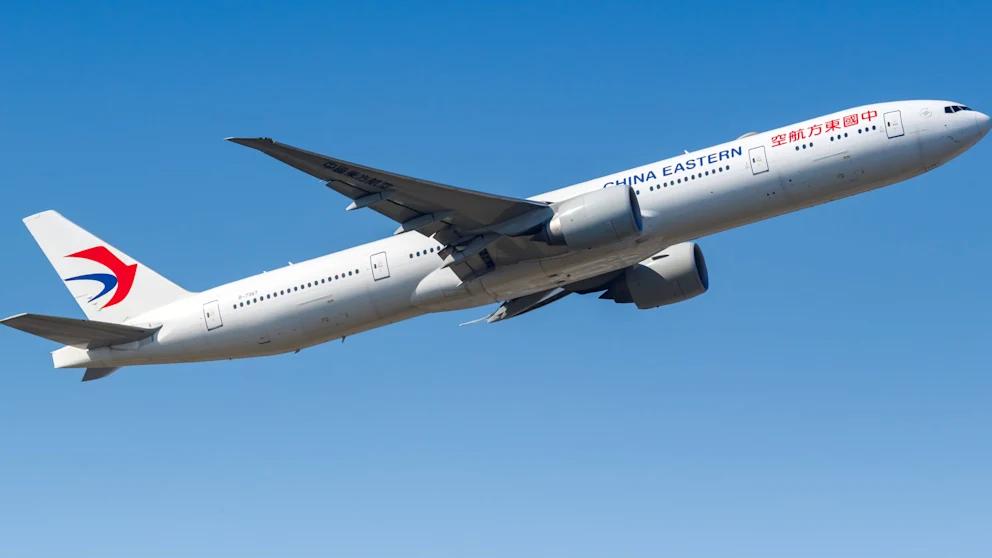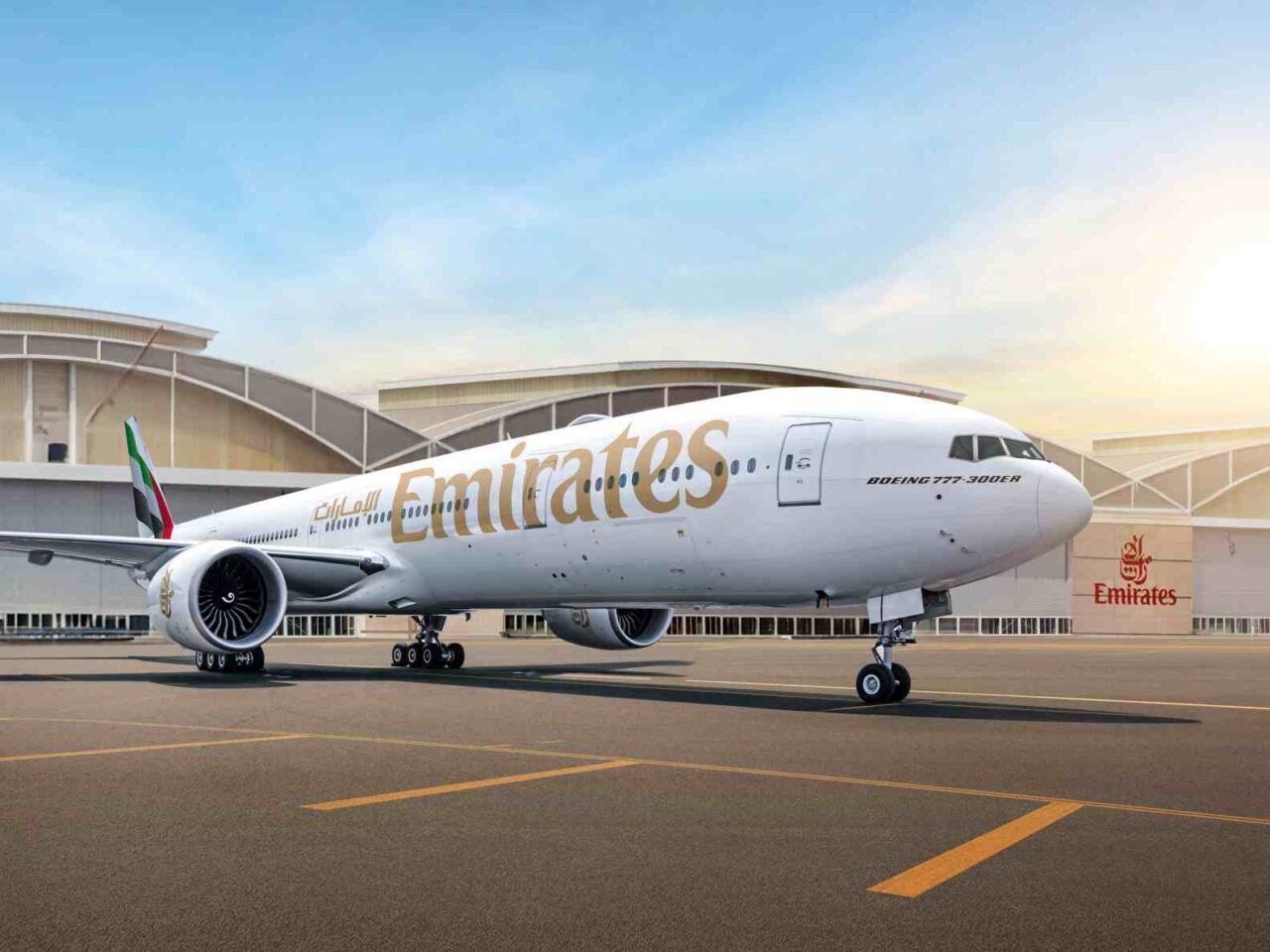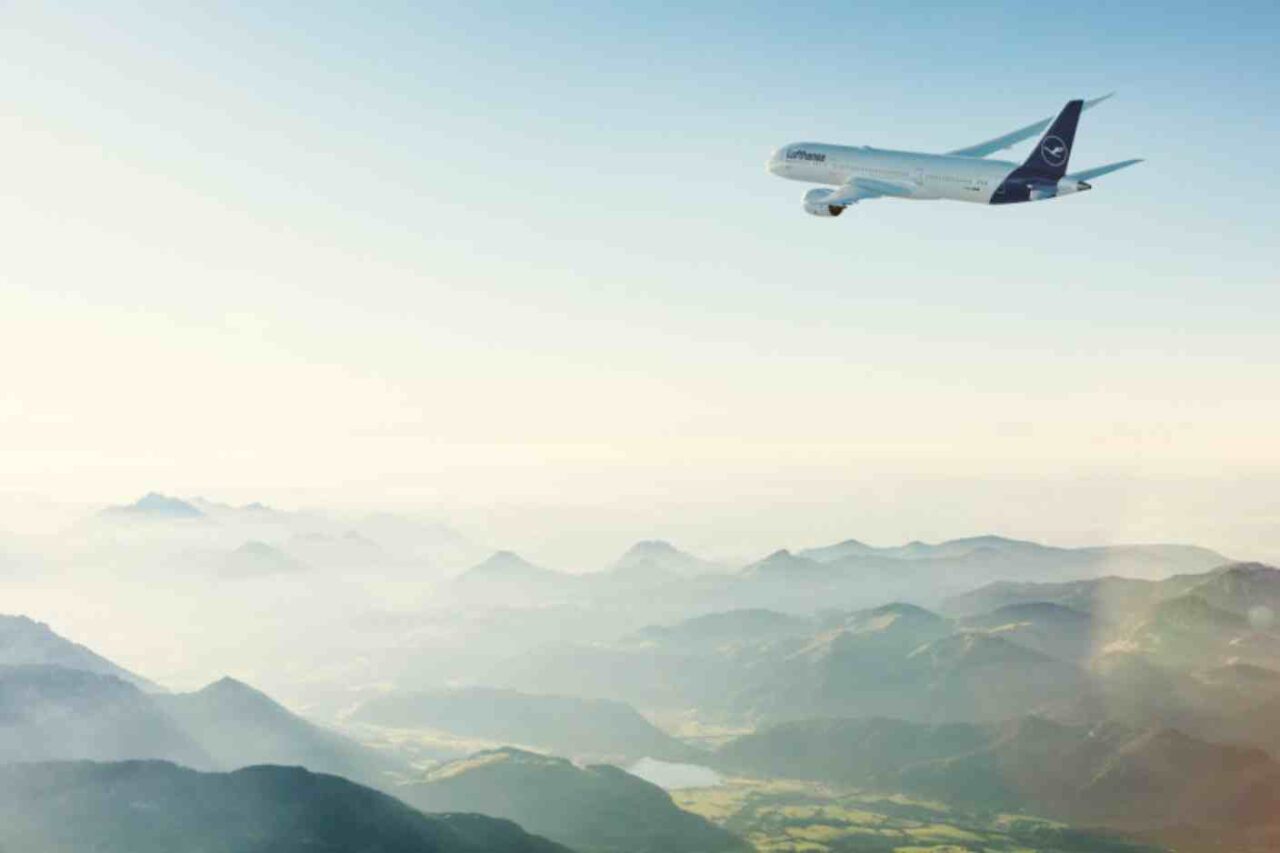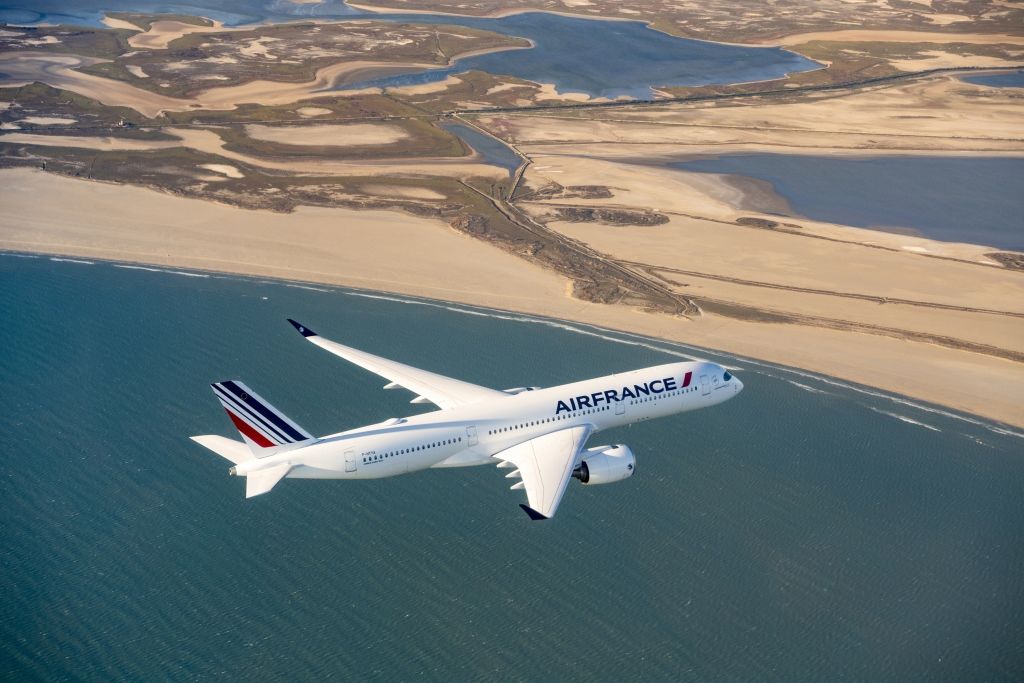
Airbus has raised its long-term outlook for the Asia-Pacific aviation market, projecting that airlines in the region will need 19,560 new aircraft over the next 20 years. The figure, released on 15 November during the Association of Asia-Pacific Airlines’ Annual Assembly of Presidents in Bangkok, represents 46 percent of the global demand for 42,520 aircraft through 2044.
Anand Stanley, President of Airbus Asia-Pacific, said the region is entering an “exciting phase of growth,” driven by rising air travel and sustained demand for logistics solutions. He noted that Airbus aims to support carriers with more efficient and lower-emission fleet options as the market expands.
The forecast, which includes both China and India, anticipates annual passenger traffic growth of 4.4 percent across Asia-Pacific—well above the global average of 3.6 percent. Much of this growth will require airlines to expand their fleets rather than simply replace older aircraft, with Airbus estimating that 68 percent of deliveries will support expansion, while 32 percent will be designated for replacement.
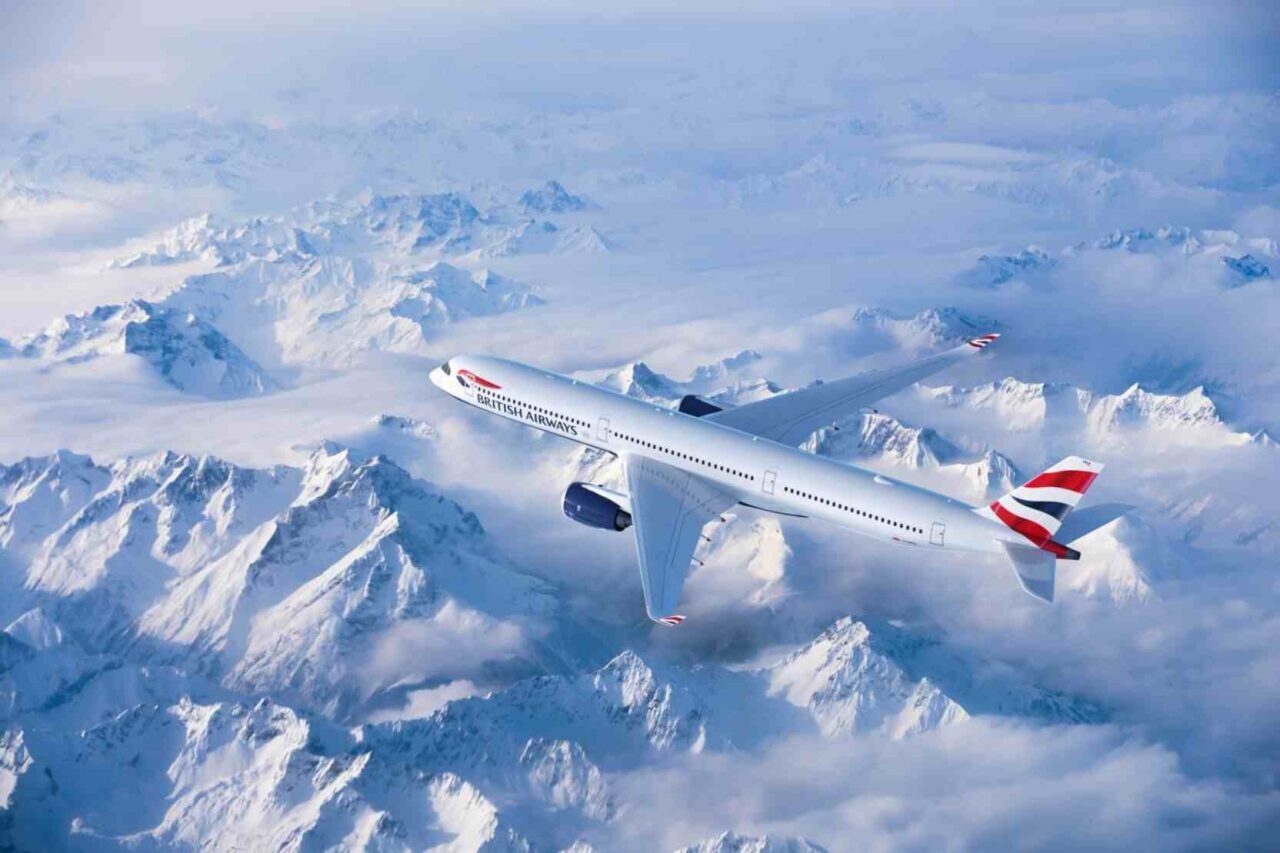
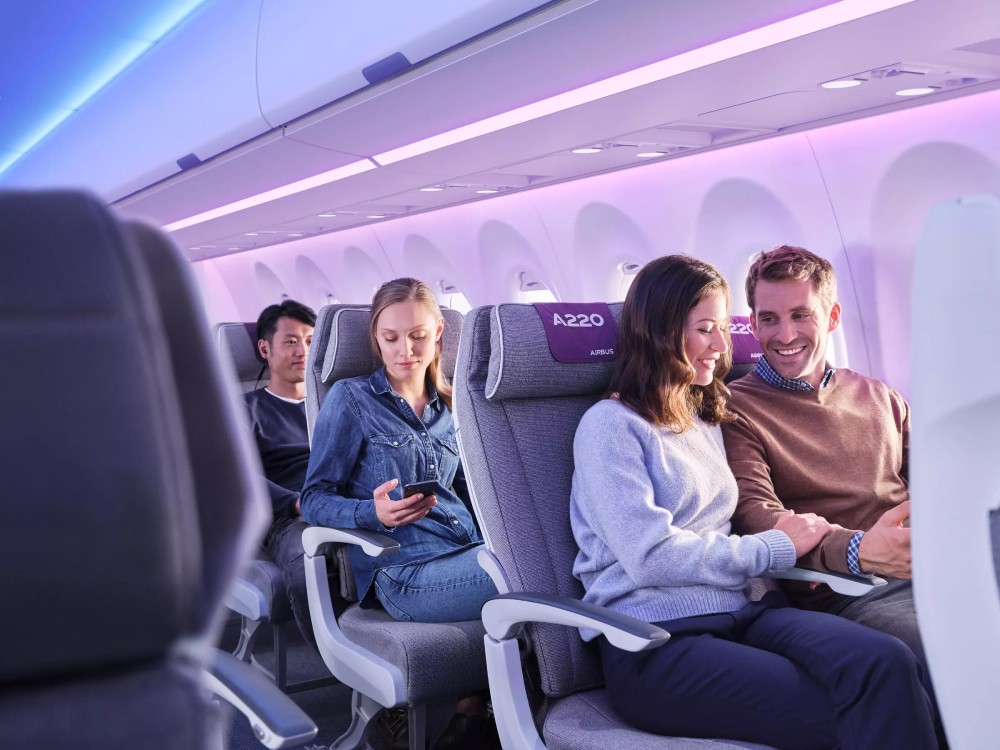
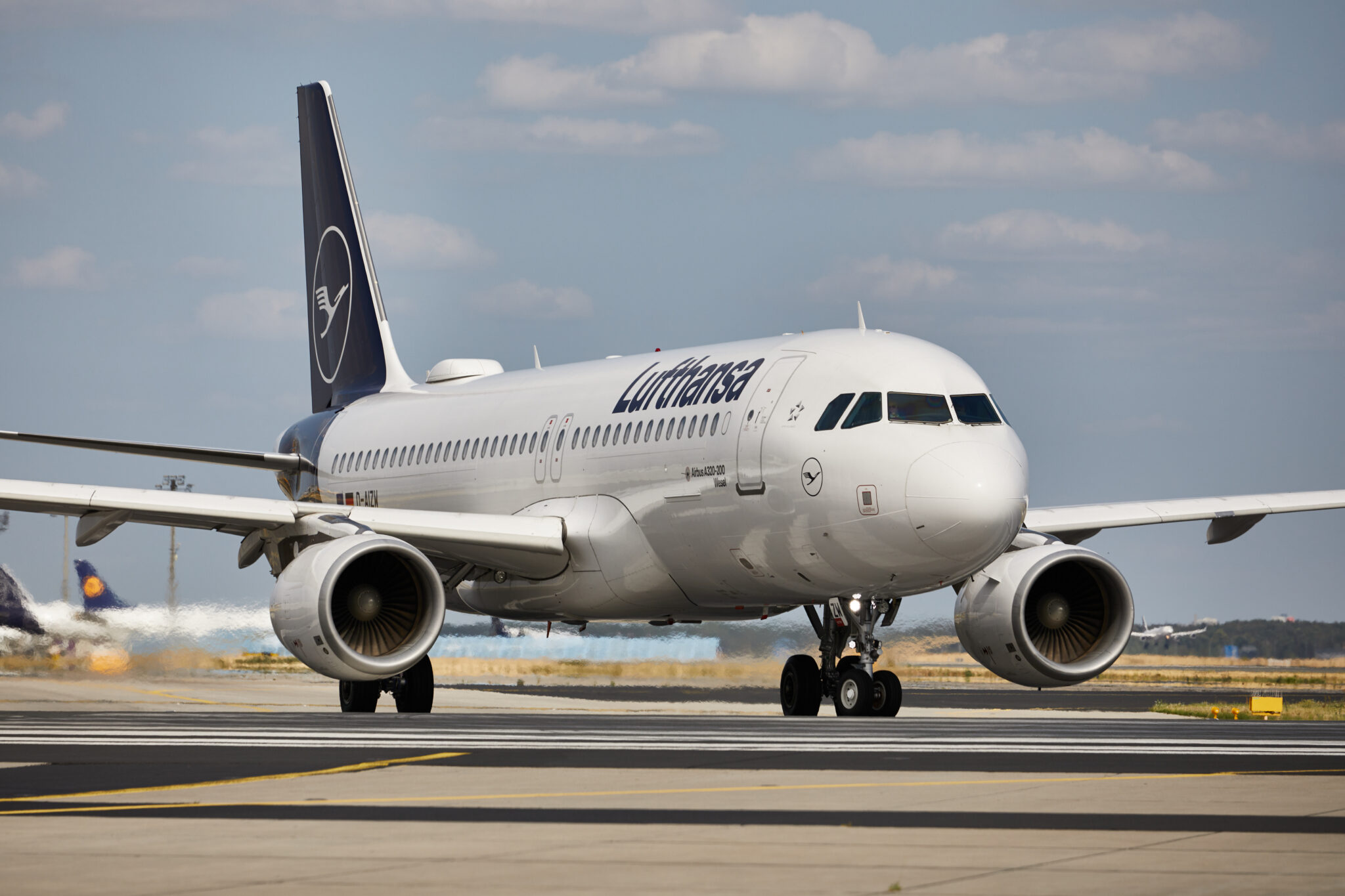
Demand is expected to be particularly strong for single-aisle aircraft, with Airbus projecting a need for 16,100 A220 and A320neo-family jets to service the region’s dense network of short- and medium-haul routes. Widebody aircraft will also play a significant role, with roughly 3,500 larger jets required, representing 43 percent of global demand in this segment. Models such as the A330neo and A350 are expected to anchor much of this demand as airlines seek longer range and better fuel efficiency.
Airbus says its newest widebody types offer an immediate 25 percent improvement in fuel burn and emissions, supporting carriers that are under increasing pressure to decarbonise. The A350 has already become a long-haul mainstay in the region, with more than 300 aircraft operating some of the world’s longest routes, including nonstop flights from Singapore to New York. Meanwhile, airlines are beginning to cycle out older A330ceo models, with the A330neo positioned as their natural successor due to shared training and operational commonalities.
On the cargo side, the Asia-Pacific region is expected to maintain a freighter fleet of around 850 aircraft, roughly one-third of the world’s total. About 250 of these will be newly built aircraft, primarily widebodies, reflecting sustained demand for air freight across the region. The new A350F freighter is expected to play a central role, offering lower emissions and compliance with the latest ICAO standards.
Airbus maintains that Asia-Pacific will continue to shape global aviation trends throughout the coming decades, fuelled by rising incomes, expanding tourism, and the growing importance of regional and intercontinental logistics. With both passenger and cargo markets accelerating, the region remains the single largest driver of new aircraft demand worldwide.