The issue centres on the wing mid spar, a major structural beam that helps carry aerodynamic loads during flight. EASA has ordered detailed inspections of the affected aircraft after maintenance findings indicated that cracking in this area could reduce the structural integrity of the wing if left unaddressed.
Of the 16 aircraft identified for inspection, 15 are operated by Emirates and one by Qantas. Five Emirates aircraft have been prioritised for immediate checks before returning to service, while the remaining aircraft must be inspected within a limited number of flight cycles.
Urgent inspections ordered for affected A380s
Airbus said the inspection programme was triggered after cracks were found during routine maintenance checks and subsequent analysis pointed to a potential unsafe condition affecting a subset of A380 aircraft with the same production history. EASA formalised the response through an emergency airworthiness directive covering the wing mid spars.
The immediate focus is on five Emirates A380s that must undergo inspection before their next flight. Another 10 Emirates aircraft and one Qantas jet fall into a second group that must be checked within 25 flight cycles.
What part of the aircraft is affected
The cracks were identified in a structural beam inside the wing known as the mid spar. This component plays a critical role in supporting the loads generated during flight and is one of the most important load-bearing elements in the wing box. Regulators said cracking in this area could compromise wing structural integrity if not detected and repaired in time.
This is not the first time the A380 has faced wing-related inspection requirements, but the current directive concerns a different structural area from earlier A380 wing crack cases. Recent industry reporting indicates the latest issue involves the wing mid spars rather than some of the outer spar and rib-foot areas covered by previous directives.
Emirates is most exposed to the checks
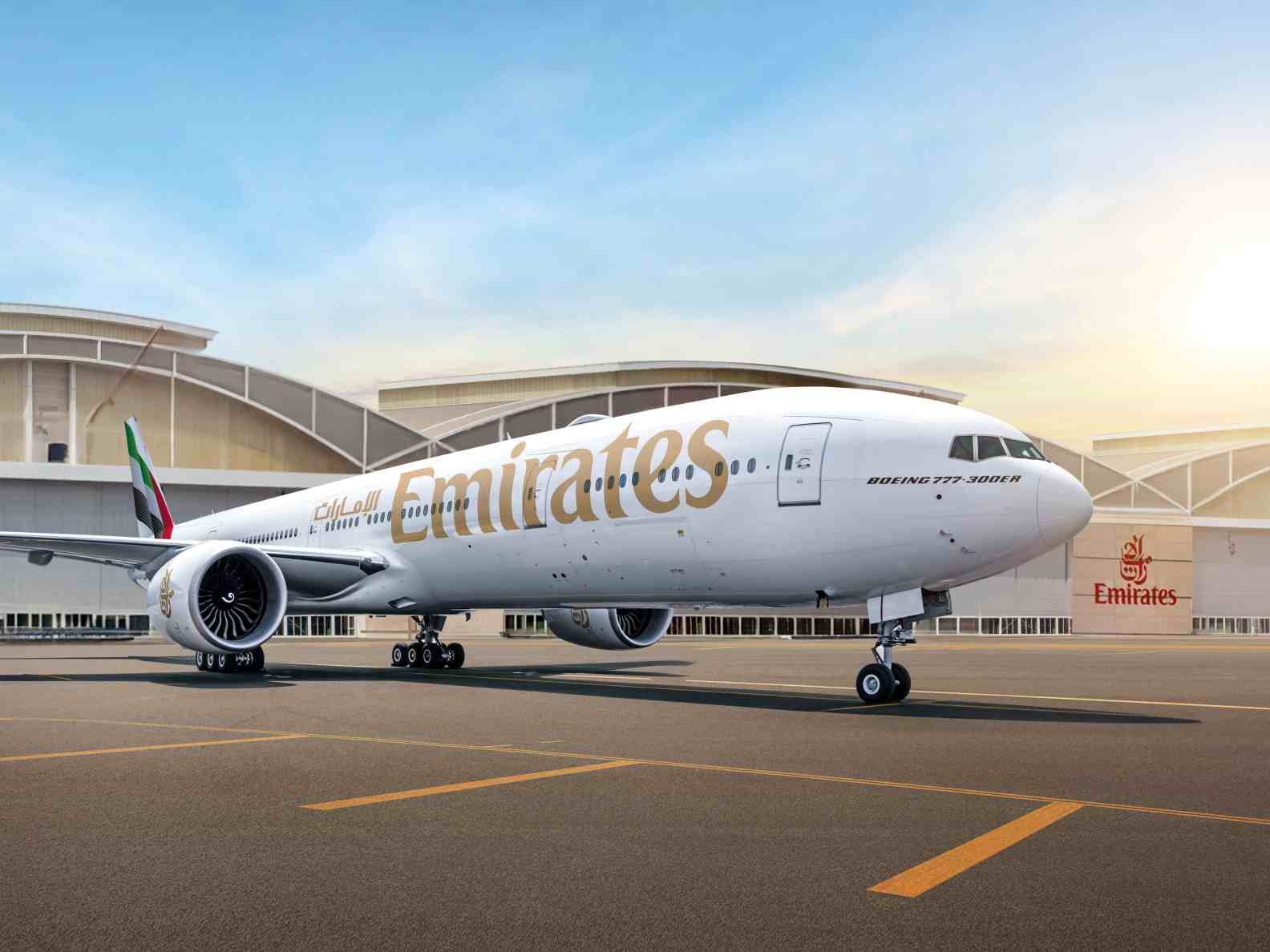
Emirates, by far the world’s largest A380 operator, is the airline most affected by the directive. The Dubai-based carrier operates more than half of the active global A380 fleet, making any inspection campaign on the type particularly significant for its long-haul network. The airline said inspections would begin within 48 hours and that any necessary work would be completed before aircraft return to service.
Emirates added that it is working closely with Airbus and the relevant authorities to minimise any impact on schedules, an important consideration during a period of heavy long-haul demand.
Qantas says there should be no schedule impact
Qantas confirmed that one of its A380s is affected by the directive, but said the aircraft was already undergoing scheduled heavy maintenance and that the additional inspection is not expected to affect its current flight programme. The aircraft identified in Australian reporting is already in Dresden for maintenance, which gives the airline an opportunity to complete the inspection within an existing downtime window.
Why this matters for the A380 fleet
The A380 remains a flagship aircraft for a small group of global airlines, but it is also an ageing fleet type with a relatively concentrated operator base. Airbus ended production of the superjumbo in 2021, and regulators have continued refining inspection requirements as the fleet ages and more long-term structural data becomes available.
For airlines still relying on the A380 for high-capacity long-haul routes, structural inspection directives like this one are operationally important because they can affect aircraft availability, maintenance planning and network resilience, especially during peak travel periods.