A journey through Europe is never complete without its cozy, timeworn cafés – the kind that serve not only exquisite dishes but also a taste of cultural history. Yet two of the continent’s most storied establishments have now closed their doors, marking the end of an era for café lovers and travelers alike.
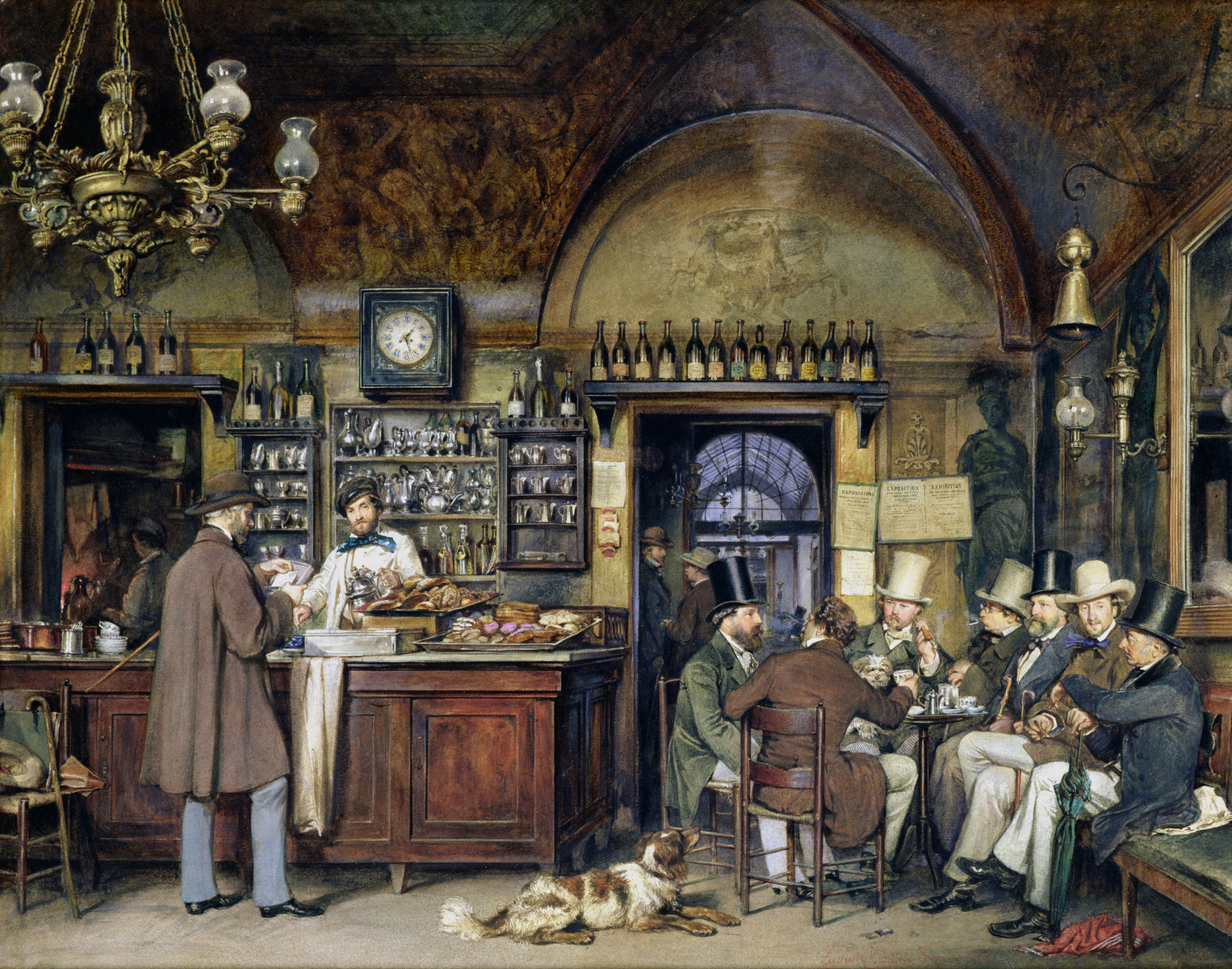
In Rome, one of Italy’s oldest and most iconic cafés, Antico Caffè Greco, has officially shut down after more than 260 years of history. Founded in 1760 by a Greek owner who had earlier opened a namesake café in Milan, Caffè Greco became a beloved meeting place for artists, writers, and thinkers. Over the centuries, its marble tables hosted legends such as Sophia Loren, Federico Fellini, Charles Baudelaire, and Johann Wolfgang von Goethe.
According to Il Post, the building housing the café belongs to a Jewish hospital. Until 2017, the owners paid rent of about €17,000 per month. When the lease expired, however, the rent was raised to a staggering €150,000 monthly – nearly nine times higher. After eight years of legal battles, the court ultimately ordered the café’s eviction, and court officers sealed its doors.
The café’s director vowed that this was not the end of the story, promising that Antico Caffè Greco would reopen, even if it means another round in court.
Meanwhile in Madrid, another cultural landmark – Gran Café de Gijón – has also closed after 137 years of history. Since opening in 1888, the café had been a favorite haunt for Spain’s creative elite, welcoming figures like Pablo Picasso, Sophia Loren, and Ernest Hemingway. With its marble tables, mirrors, and red velvet curtains, it captured the spirit of the late 19th century and became a symbol of literary life in the Spanish capital.
The historic venue has now been acquired by the Spanish café chain Cappuccino, which plans to reopen it under a new name in early 2026. While the company has promised to preserve the soul of the legendary café, plans to modernize its interior have sparked concern that its unique atmosphere – steeped in nostalgia and bohemian charm – could be lost forever.
For many, the closures of Caffè Greco and Gran Café de Gijón are more than just the loss of two coffeehouses. They mark the fading of Europe’s café heritage – those rare, timeless spaces where art, literature, and life once intertwined over a simple cup of espresso.
Photo: Ludwig Passini – Cafe Greco in Rome