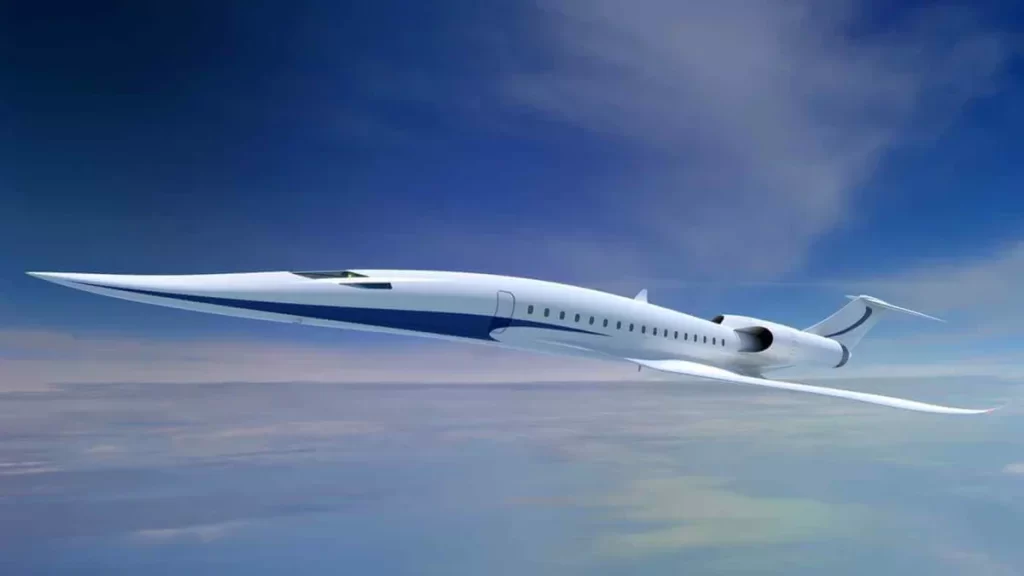
China is making bold moves in the global race for supersonic travel. Comac, the country’s state-owned aircraft manufacturer, has revealed concept designs for its most ambitious aircraft yet—the C949, a supersonic jet that promises to fly farther and more quietly than the legendary Concorde. But while the numbers are impressive, real-world hurdles remain.
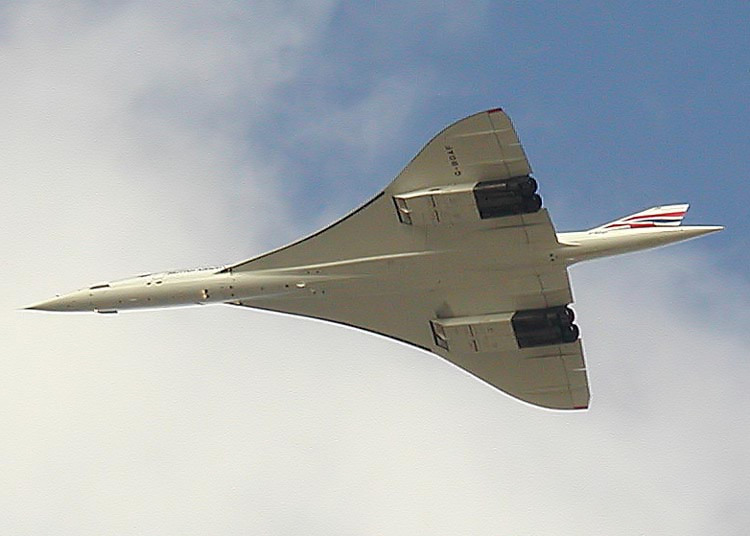
Unveiled quietly in an academic paper this past March, the C949 boasts a top range of 11,000 kilometers (6,800 miles) and a cruising speed 1.6 times the speed of sound. That’s nearly 50% farther than Concorde ever flew. Perhaps more striking, however, is its approach to noise: Comac claims its jet’s sonic boom is only 89.3 decibels, significantly quieter than Concorde’s 105. The trick? A reverse-camber, concave fuselage designed to muffle shockwaves.
Still, there’s a trade-off: passenger capacity tops out at just 48 business-class seats, compared to Concorde’s 100. Comac isn’t chasing mass travel—this is niche luxury aviation.
A Global Supersonic Revival
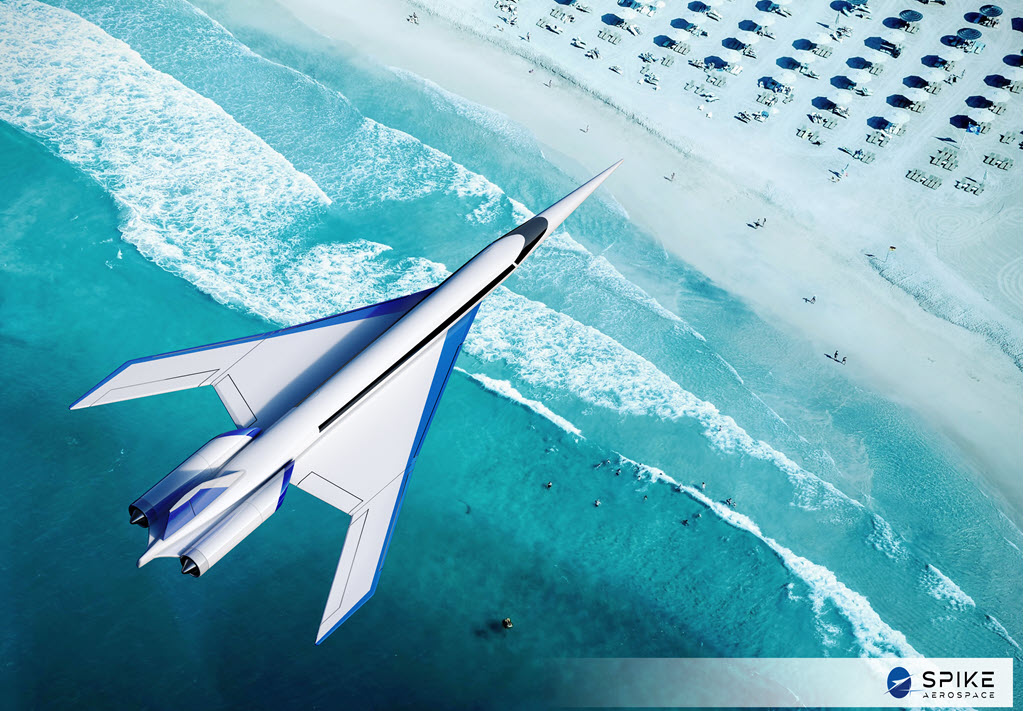
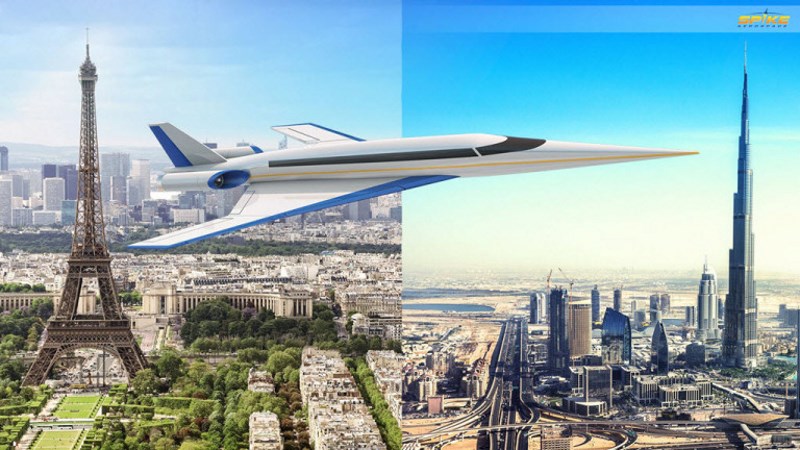
Comac isn’t the only player betting on the future of high-speed air travel. The United States is pushing ahead with its own plans, led by Lockheed Martin and NASA’s X-59, a sleek aircraft expected to fly at 55,000 feet while producing a sonic thump no louder than a car door closing. If successful, routes like Beijing–Los Angeles could drop from 13 hours to just five—a game-changer in international travel.
But don’t pack your bags just yet. Comac anticipates its C949 won’t enter service until 2049. Before that, the company has more immediate goals, including the C929 (due in 2027), a wide-body jet to compete with Boeing’s 787, and a larger C939, set to rival the Boeing 777X by 2039.
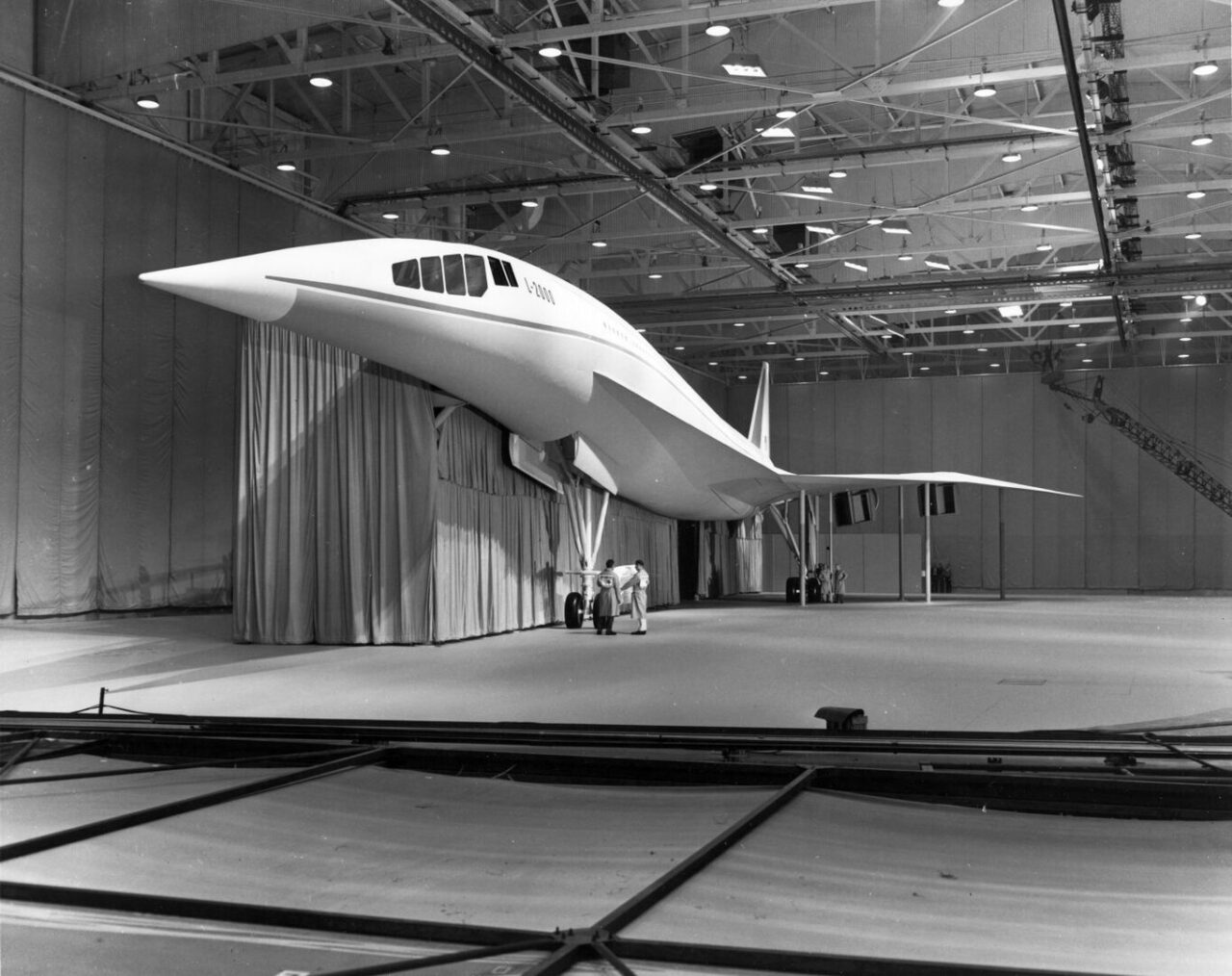
The Concorde Legacy Still Haunts
No discussion of supersonic flight escapes the long shadow of Concorde’s tragic crash in 2000, which, combined with high operating costs and environmental concerns, ultimately grounded the program. Public trust in supersonic commercial travel remains fragile, and regulators are expected to scrutinize safety and emissions closely.
Environmentalists also question whether supersonic jets, even quieter ones, can ever be compatible with climate goals. Plus, the economics are tough: high development costs and limited seat capacity make profitability a long shot without ultra-premium ticket prices.
The Verdict
Comac’s C949 may look dazzling on paper, and its unveiling signals China’s intent to lead in the next frontier of aviation. But whether it soars—or sputters—will depend not just on engineering feats, but on geopolitics, public trust, and environmental accountability.
For now, the supersonic dream is alive—but far from cleared for takeoff.