In the shadow of Seoul’s skyscrapers and Busan’s beaches lies a region that offers something rare: authenticity. South Korea’s southwest — home to Gwangju and the province of Jeollanam-do — invites travelers into a world where ancient temples meet ocean breezes, and where every meal is a window into the nation’s heritage.
This is not the Korea of high-speed trains and shopping malls. This is where winding mountain trails lead to centuries-old monasteries, coastal towns sparkle beneath starlit skies, and food isn’t just sustenance — it’s storytelling. Whether you’re searching for a cultural retreat, a nature escape, or a culinary adventure, this region promises a journey that is both rewarding and refreshingly different.
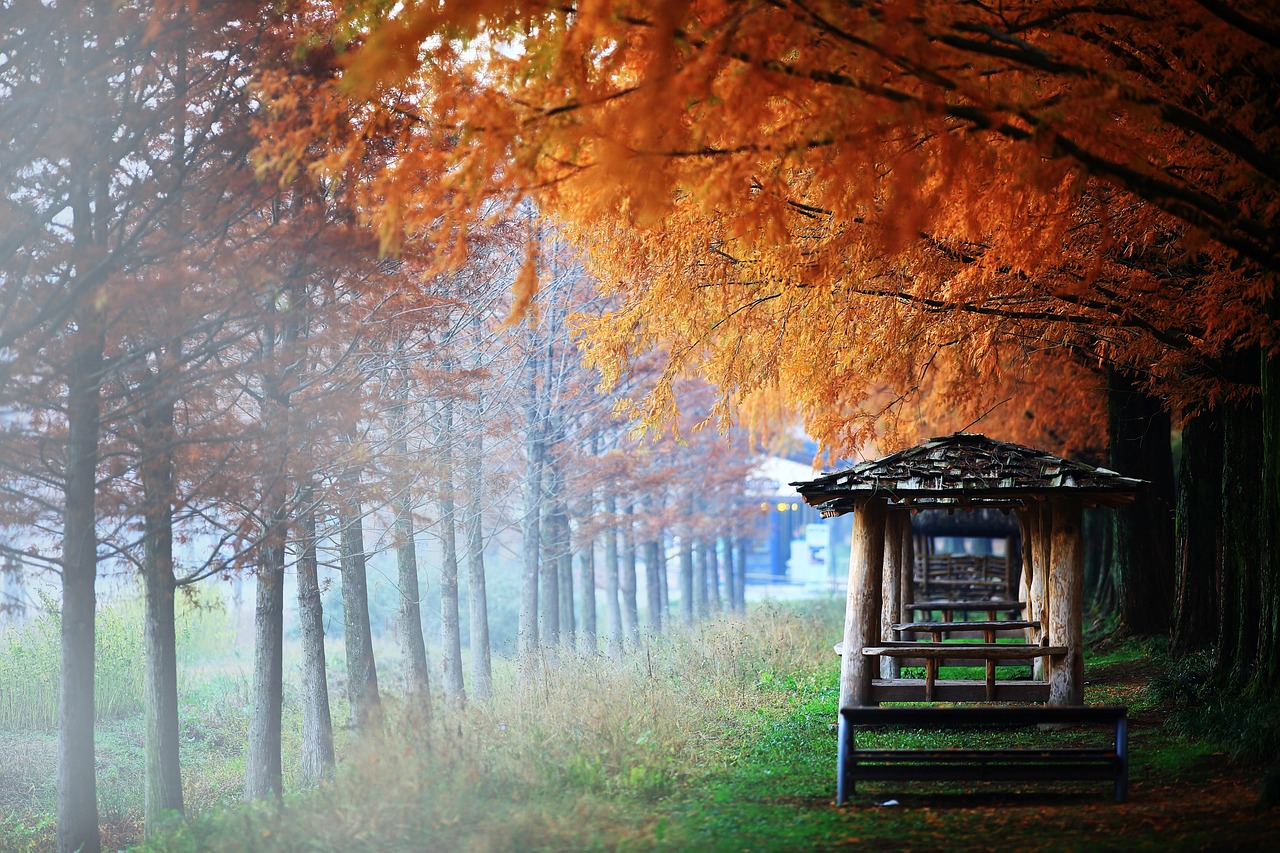
Where Nature and History Walk Side by Side
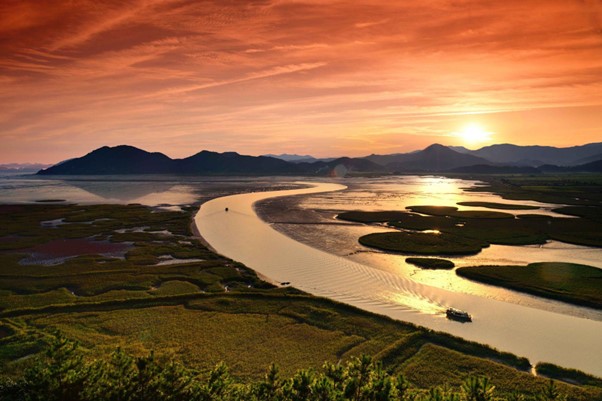
Two of Korea’s most breathtaking national parks, Jirisan and Mudeungsan, surround the region with scenic trails, ancient temples, and sweeping mountain vistas. For eco-travelers, the Suncheonman Bay Wetland Reserve is a sanctuary — its expansive reed fields and neighboring National Garden create a peaceful, ever-changing landscape that shifts beautifully with the seasons.
In Suncheon, culture takes center stage. From the time-frozen beauty of the UNESCO-listed Seonamsa Temple to lively traditional markets and retro film sets restored to their former glory, visitors are invited to slow down and fully immerse themselves in the local rhythm of life.
A Seaside Escape in Living Color
Further south, Yeosu and Mokpo deliver unforgettable coastal experiences. In Yeosu, romantic night views, a scenic marine cable car, and sizzling street food define the mood. Travelers can pedal ocean rail bikes along the shore, wander through atmospheric harbors, or dine on grilled seafood under glowing strings of lights at the city’s famous “car bars.”
In Mokpo, a former port city turned cultural hub, early 20th-century architecture meets modern creativity. Highlights include the Mokpo Modern History Museum and Korea’s longest sea cable car, offering panoramic views of the rugged coastline. Public art installations and revitalized waterfront attractions reflect a city harmonizing tradition and innovation.
The Beating Heart of Korean Cuisine
Gwangju and Jeollanam-do are considered the culinary soul of Korea. Here, food isn’t just eaten — it’s celebrated. In Gwangju, don’t miss tteokgalbi, juicy grilled beef patties once reserved for royalty. Yeosu is famed for ganjang gejang, soy-marinated raw crab served cold and brimming with umami. In Mokpo, adventurous eaters can try nakjitangtangi, a spicy raw octopus dish bursting with sesame and heat.
Every town, village, and street corner offers a different specialty, with locals fiercely proud of their regional takes. To eat here is to experience the land, sea, seasons, and generations of culinary craft in every bite.
Festivals, Creativity, and Culture in Motion
Cultural celebrations pulse through the region year-round. This summer, Gwangju hosts the ACC World Music Festival and the Gwangju Design Biennale — events that transform the city into a global canvas for sound and visual innovation. Come fall, the Gwangju Kimchi Festival lights up the city with tastings, workshops, and performances honoring Korea’s most iconic dish.
From garden strolls in Suncheon to seafood by the sea in Yeosu and the artistic buzz of Gwangju, the region offers constant moments of discovery — all deeply Korean, yet far from the ordinary.
If you’re looking to go off the beaten path and into the true soul of South Korea, Gwangju and Jeollanam-do are waiting.