Europe’s expanding rail revival is picking up speed — and starting May 1, 2026, travelers will be able to ride the rails from Prague to Copenhagen without changing trains, thanks to a new international route operated by Czech Railways (ČD), Deutsche Bahn (DB), and Danish Railways (DSB).
This brand-new cross-border service will link three European capitals — Prague, Berlin, and Copenhagen — and is part of a broader European Commission-backed initiative to improve long-distance train travel across the continent. The daytime train will run year-round in both directions, with a journey time of around 7 hours between Copenhagen and Berlin, and 11 hours between Copenhagen and Prague.
The launch coincides with the completion of critical infrastructure upgrades between Berlin and Hamburg, and marks a major step forward in making train travel across Europe faster, more reliable, and more appealing than ever before. The new route will also include key stops in cities such as Dresden and Hamburg, giving travelers multiple options for exploring Central and Northern Europe.
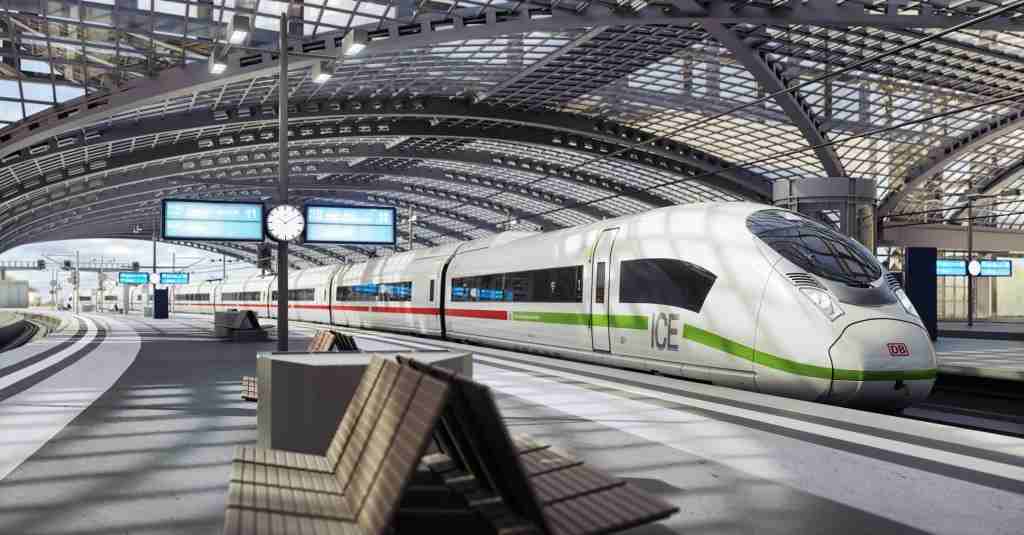
The trains on this route won’t just be fast — they’ll be comfortable, too. Passengers will ride aboard ČD’s state-of-the-art ComfortJet trains, capable of speeds up to 230 km/h and packed with thoughtful features: an onboard restaurant, high-speed Wi-Fi, space for 555 passengers (including 99 in first class), bike storage, wheelchair lifts, and even a children’s cinema. The trains also feature mobile signal-friendly “radio-transparent” windows, a small but meaningful upgrade in the digital age.
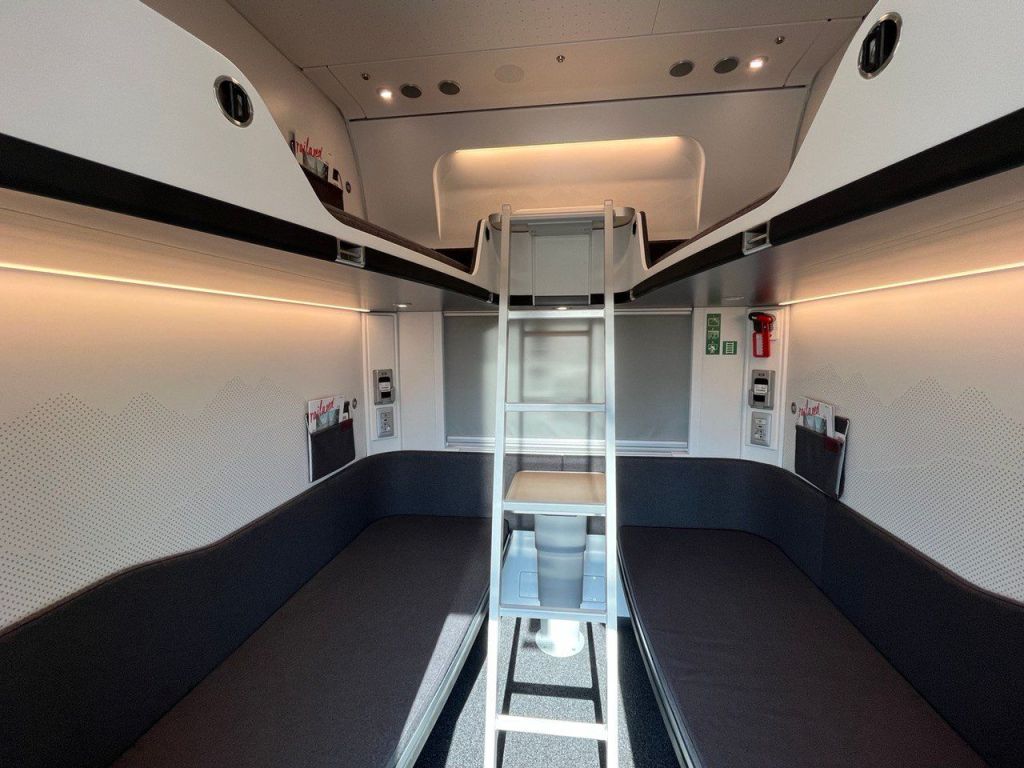
Beyond the daytime service, plans are also in motion to extend a seasonal night train, which currently links Hamburg and Copenhagen, all the way to Prague during the summer months — a convenient and scenic overnight option for travelers looking to stretch their vacation time or avoid early morning airport runs.
This route is just one of ten pilot projects selected by the European Commission to overcome long-standing barriers in international rail — including network incompatibilities and ticketing complexity — and open up more practical, climate-friendly alternatives to short-haul flights.
“We’re bringing Europe closer together,” said Michael Peterson, DB’s board member for long-distance passenger transport. “Passengers are increasingly embracing long-distance international train travel, and we’re responding with more attractive, high-quality services.”
Indeed, the Prague–Copenhagen connection joins a growing wave of EU-backed rail links making cross-border train travel not just possible, but pleasurable. Recent highlights include the relaunched Berlin–Paris route, a soon-to-debut Munich–Milan–Rome service, and the Warsaw–Split summer route that now whisks sun-seekers from Poland to Croatia’s Adriatic coast. Meanwhile, the Espresso Riviera — the overnight sleeper between Rome and the French Riviera — is delighting travelers once again this summer.
And there’s more on the horizon. In the coming years, startups like Dreamstar Lines aim to connect up to 100 European cities with affordable overnight sleeper trains — offering budget-friendly comfort and a real alternative to flying.
With scenic views, modern amenities, and a strong push from EU initiatives, long-distance rail is no longer just a nostalgic nod to the past — it’s fast becoming the future of European travel.