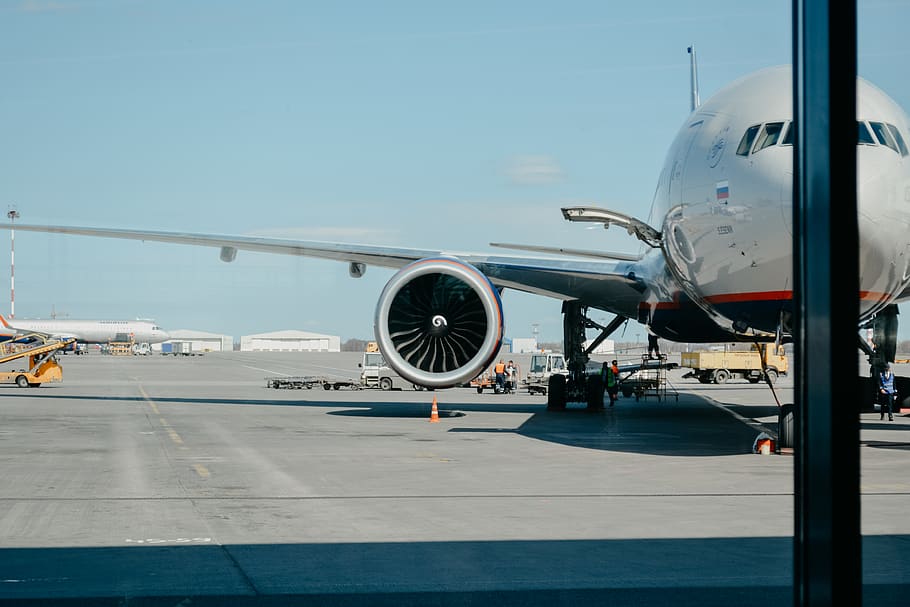
Many international visitors arrive in France through Paris Charles de Gaulle, Paris Orly, Nice Côte d’Azur, Lyon-Saint Exupéry, Marseille Provence, Bordeaux, or Toulouse airports. These airports can be very crowded in summer, during school holidays, and around major events.
Tour operators should prepare airport transfers before guests arrive. Meeting points must be easy to understand. Drivers should track flight times. Group leaders should know which guests are arriving on each flight and how much luggage they may have.
For organized group travel in France, large bus hire in Paris for group travel can be a useful partner for tour operators that need reliable airport transfers, minibuses, coaches, and chauffeur-driven vehicles. Whether the trip begins in Paris, Nice, Lyon, Marseille, Bordeaux, or the French Riviera, planned transport helps guests move from airport to hotel smoothly and gives the journey a professional start.
France Needs More Than One Transfer Plan
France is not a one-route destination. Each region has different transport needs, road conditions, and travel patterns.
A transfer plan for Paris will not be the same as a plan for Provence. A wine route in Bordeaux is different from a ski transfer in the Alps. A French Riviera itinerary between Nice, Cannes, Monaco, and Saint-Tropez needs different timing from a Normandy history tour.
Tour operators should build transport plans around the real route, not just the map distance. In France, a short distance can still take time because of traffic, narrow roads, tourist crowds, restricted zones, or limited coach access.
Keep Groups Together When Possible
During peak season, splitting a group into several taxis or small cars can create problems. One car may arrive late. Another may stop at the wrong entrance. Some guests may get confused if they do not speak the language or know the city.
Coaches and minibuses help keep groups together. They are useful for airport transfers, hotel pickups, sightseeing tours, wine routes, cruise transfers, school groups, corporate trips, and MICE travel.
When guests travel together, tour leaders can manage timing, luggage, headcounts, and updates more easily. This creates a calmer experience for everyone.
Paris Requires Extra Time
Paris is beautiful, but it is not always easy for group transport. Traffic can be heavy, especially around major landmarks, train stations, museums, and hotel districts. Some streets are narrow, and some areas have access rules for larger vehicles.
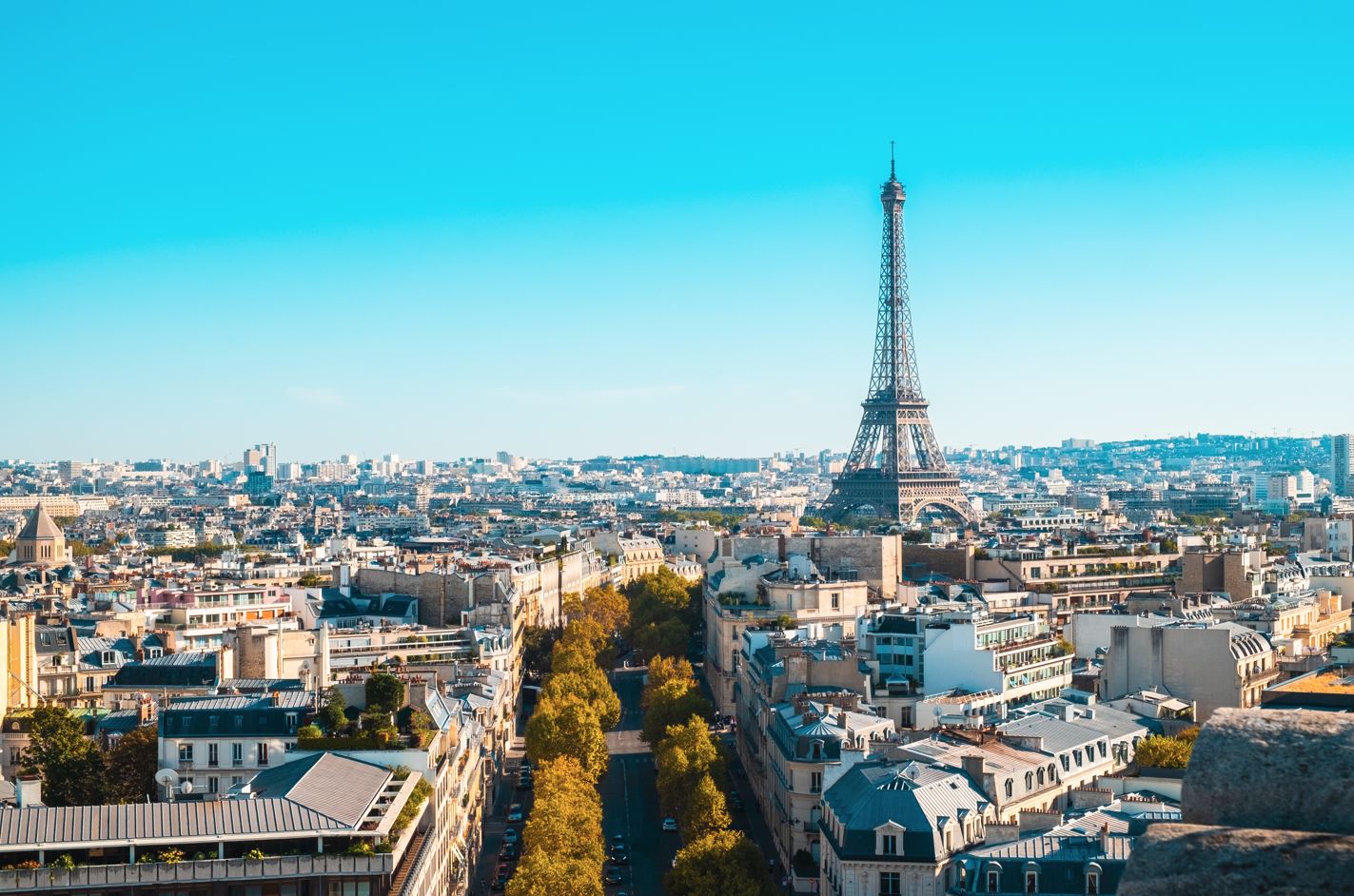
Tour operators should allow extra time for transfers to places such as the Eiffel Tower, the Louvre, Montmartre, the Latin Quarter, Versailles, and Seine cruise departure points.
Hotel access should also be checked before booking. A hotel may be central and attractive, but if a coach cannot stop nearby, guests may need to walk with luggage. This detail matters, especially for older travelers, families, or luxury groups.
The French Riviera Can Be Slow in Summer
The French Riviera is one of France’s most popular regions in peak season. Nice, Cannes, Antibes, Monaco, Èze, and Saint-Tropez attract visitors from around the world.
However, summer traffic can be slow. Coastal roads are busy, parking is limited, and special events can affect travel times. A route that looks short on a map may take longer than expected.
For tour operators, early departures, realistic timing, and clear pickup points are important. A coach or minibus can make group movement easier, but the schedule should never be too tight.
Wine Regions Need Flexible Transfers
France’s wine regions are a major reason travelers visit the country. Bordeaux, Burgundy, Champagne, Alsace, the Loire Valley, and Provence all offer vineyard visits, tastings, village stops, and long lunches.
These trips often include several locations in one day. Public transport may not reach vineyards easily, and guests should not drive after wine tastings. This makes private group transport a practical choice.
A planned coach or minibus route allows guests to enjoy the day safely while the tour operator keeps control of timing, comfort, and route flow.
MICE and Event Groups Need Precision
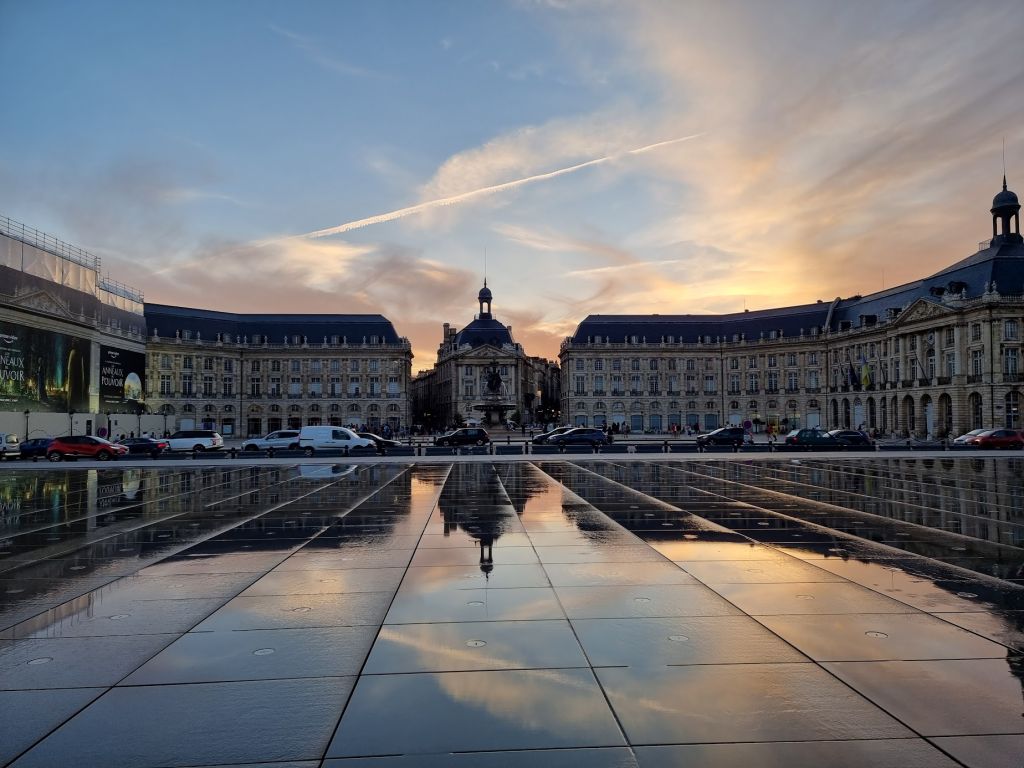
France is a major destination for meetings, incentives, conferences, exhibitions, festivals, and luxury events. Paris, Cannes, Lyon, Nice, Marseille, Bordeaux, and Strasbourg often host international business and cultural gatherings.
For these groups, transfers must be very precise. Speakers, VIP guests, sponsors, delegates, media teams, and event staff may all have different schedules. Some may need private cars, while larger groups need coaches or shuttle systems.
Clear vehicle planning, driver contacts, backup options, and real-time communication can prevent delays and protect the event experience.
Luggage and Vehicle Size Matter
Choosing the right vehicle is not only about passenger numbers. Luggage space is just as important.
Guests may travel with large suitcases, hand luggage, sports equipment, business materials, exhibition items, or shopping bags. If the vehicle has enough seats but not enough luggage space, the transfer will become uncomfortable.
Tour operators should confirm luggage needs before booking transport. A minibus may be enough for a small group with light bags, while a larger coach may be better for airport arrivals or multi-day tours.
Communication Should Be Simple
Good communication prevents many transfer problems. Guests should know the pickup time, meeting point, vehicle type, luggage rules, and emergency contact.
Information can be shared by email, printed itinerary, tour app, hotel notice board, or group message. Short and clear instructions work best.
For example: “Meet in the hotel lobby at 8:15 AM. Coach leaves at 8:30 AM. Please bring your day bag and water.”
Repeating key details the night before a transfer can reduce confusion the next morning.
Add Buffer Time to Every Day
Peak season travel in France can bring delays. Roads may be crowded, weather may change, flights may arrive late, and attractions may be busy.
Tour operators should build extra time into the schedule. This is especially important for airport returns, museum entry times, restaurant bookings, ferry or cruise departures, train connections, and guided tours.
A small time buffer can protect the whole day. It also gives guests a more relaxed experience instead of making them feel rushed from one stop to another.
France is a rewarding destination, but it requires careful transfer planning during peak season. From Paris airport arrivals to Riviera day trips, Provence villages, wine tours, Alpine routes, and MICE events, every journey needs a clear plan.
Tour operators should consider airport flow, traffic, luggage, vehicle size, hotel access, guest comfort, communication, and backup timing. When transfers run smoothly, guests feel more relaxed and the itinerary works better.
In high season, better transfer planning is not just logistics. It is part of delivering a professional, comfortable, and memorable travel experience in France.