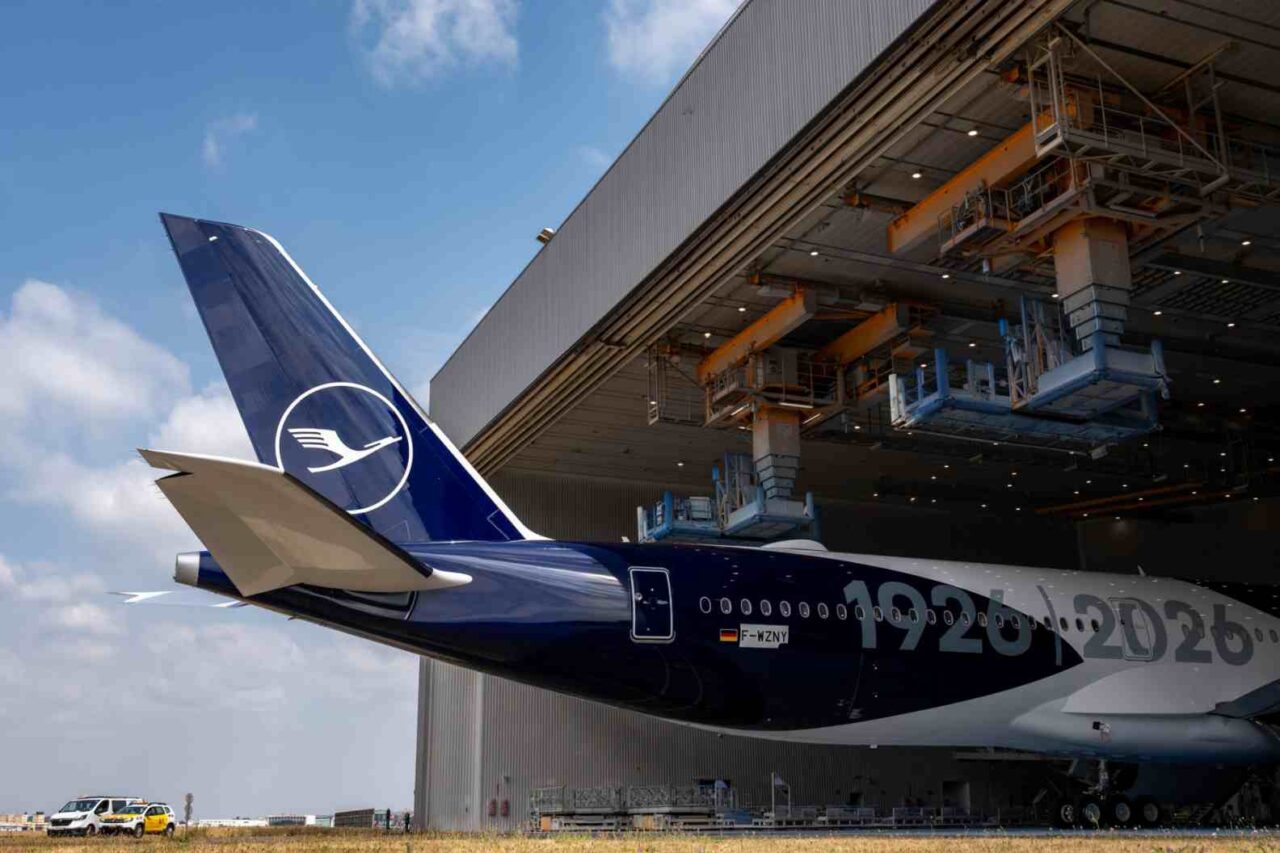
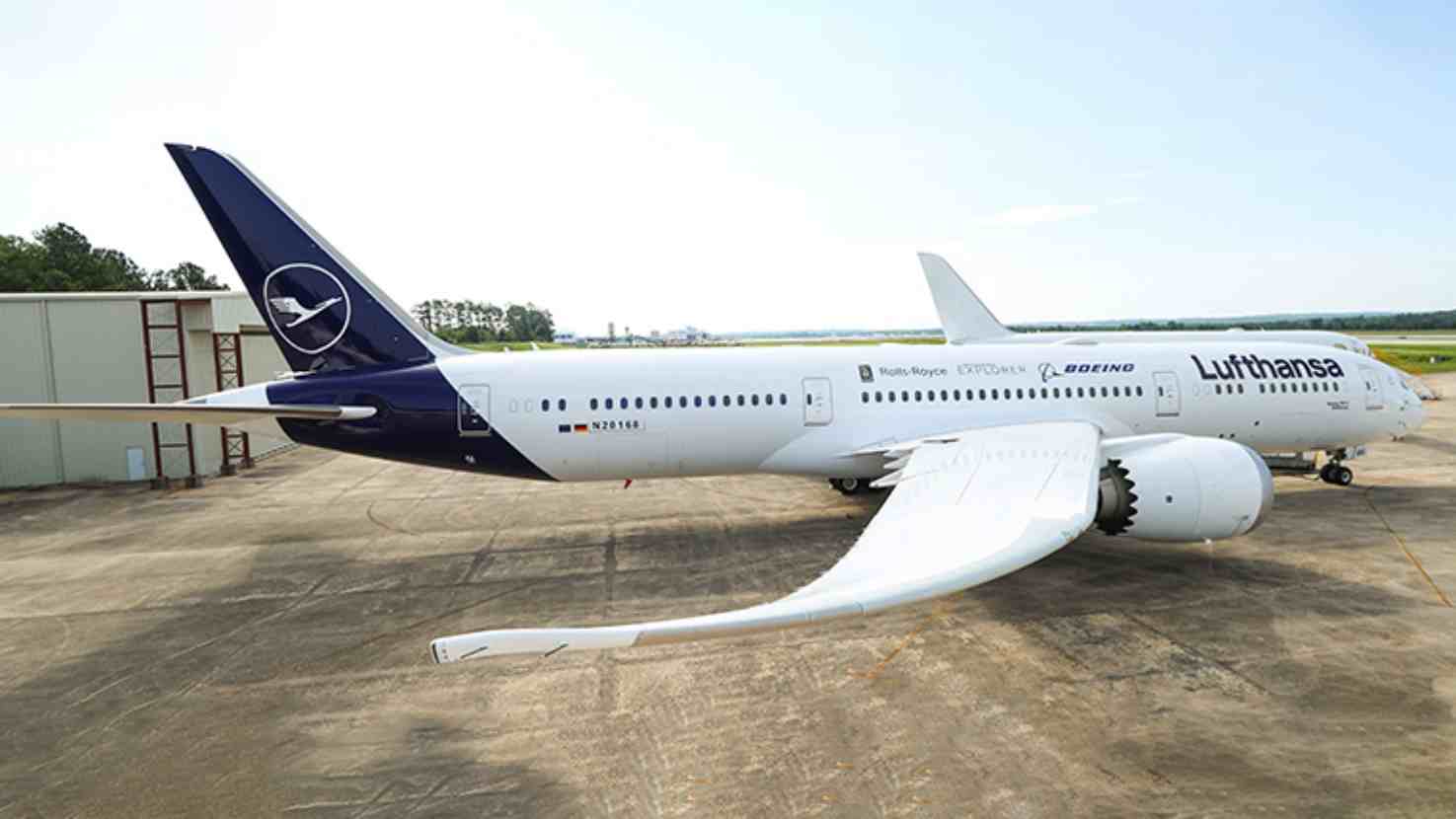
Boeing has begun a new round of ecoDemonstrator flight testing on a Boeing 787-9 Dreamliner that is scheduled to be delivered to Lufthansa, evaluating technologies designed to improve fuel efficiency, reduce aircraft noise, and enhance operational performance.
The flight-test campaign begins later this month at Boeing’s facility in Glasgow, Montana, and is expected to continue through mid-August. The aircraft serves as Boeing’s 2026 ecoDemonstrator Explorer and is powered by Rolls-Royce Trent 1000 engines.
Testing Next-Generation Efficiency Technologies
The programme will evaluate a more efficient engine inlet alongside Intelligent Operations flight paths, two technologies intended to improve aircraft performance and reduce environmental impact.
The engine inlet has been developed with engineering support from Rolls-Royce, while the Intelligent Operations concept focuses on optimizing flight trajectories to improve fuel burn and operational efficiency.
According to Boeing, both technologies have the potential to deliver measurable benefits for airlines by lowering fuel consumption, reducing noise emissions, and improving overall aircraft performance.
Partnership Between Boeing, Lufthansa and Rolls-Royce
The test campaign brings together Boeing, Lufthansa Group, and Rolls-Royce as part of their ongoing collaboration on sustainable aviation technologies.
Following completion of the testing programme, the Boeing 787-9 will enter commercial service with Lufthansa.
Rolls-Royce is providing engineering support and oversight for operation of the Trent 1000 engines equipped with the next-generation inlet during the flight-test campaign.
Part of the FAA’s CLEEN Programme
The technologies being evaluated form part of Phase III of the U.S. Federal Aviation Administration’s Continuous Lower Energy, Emissions and Noise (CLEEN) programme.
The public-private initiative supports the development and validation of technologies that enable aircraft and engine manufacturers to improve fuel efficiency, lower emissions, and reduce aircraft noise before they are introduced into commercial service.
Boeing’s ecoDemonstrator Programme
Since its launch in 2012, Boeing’s ecoDemonstrator programme has accelerated the development of new aviation technologies by testing them in real-world operational conditions rather than solely in laboratory environments.
To date, the programme has evaluated more than 260 technologies aimed at improving aviation safety, reducing fuel consumption and emissions, lowering noise levels, increasing operational efficiency, and enhancing the passenger experience.
Boeing says maturing these innovations helps airlines modernize their fleets while supporting long-term sustainability objectives.
Rolls-Royce Continues Trent 1000 Development
The project also builds on Rolls-Royce’s long-running research into fan aerodynamic performance for the Trent 1000 engine family.
Designed specifically for the Boeing 787 Dreamliner, the Trent 1000 entered commercial service in 2011. Since then, Rolls-Royce has introduced continuous improvements to increase fuel efficiency, durability, and operational reliability.
The latest production standard, the Trent 1000 XE, powers all newly delivered Boeing 787 aircraft equipped with Rolls-Royce engines. The manufacturer is also upgrading existing Trent 1000 TEN operators to the XE standard as part of its ongoing engine improvement programme.