The expansion marks another step in Uber’s effort to turn Uber Eats into a multi-category retail marketplace rather than a food-only delivery app. By adding beauty products, office supplies, art materials, sporting goods and pet essentials, Uber is widening the range of everyday purchases customers can order for immediate or scheduled delivery, while also deepening its competition with other convenience-led delivery and commerce platforms.
Uber Eats adds five new retail brands to its US marketplace
Uber said the latest expansion brings several new retailers onto the platform, each targeting a different category of consumer demand. Kiehl’s strengthens Uber’s premium beauty and skincare offer, FedEx Office adds office, packing and shipping supplies, Academy Sports + Outdoors expands the app’s sporting goods selection, Blick Art Materials introduces art and craft products, and Choice Pet is set to add more pet supplies across parts of the Northeast.
The additions reflect a deliberate strategy: rather than focusing only on one vertical, Uber is broadening its marketplace across multiple everyday shopping categories. That makes the platform more useful not just for one-off emergency purchases, but also for a growing range of regular household, work and lifestyle needs.
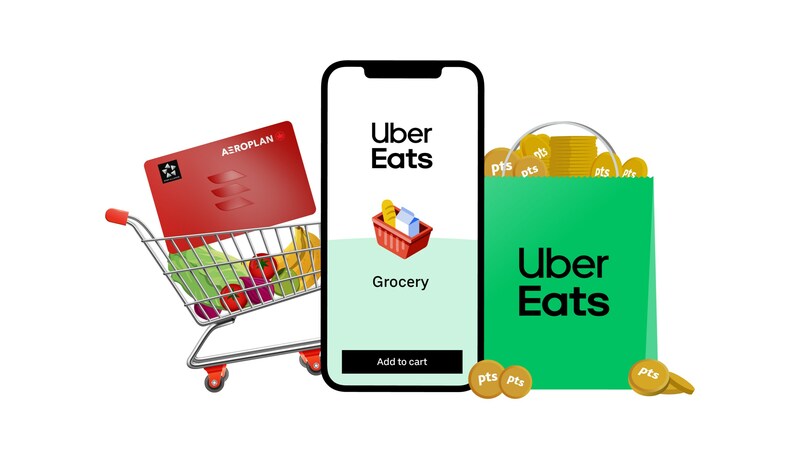
Consumers can browse products from participating stores through the Uber Eats app’s Retail section or the Shops tab in the Uber app, choose either on-demand or scheduled delivery, and track orders in real time.
Uber is building Uber Eats into a broader retail delivery platform
The new retailer additions underline how aggressively Uber is repositioning Uber Eats as something much larger than a meal delivery service. The company has spent the past several years steadily expanding into grocery, alcohol, convenience and pharmacy, but its latest moves show a sharper push into non-food retail categories that can increase order frequency and widen customer use cases.
In practical terms, that means Uber wants users to think of the app not just when they want dinner, but when they need printer paper, dog food, sunscreen, paint brushes, workout gear or a last-minute gift. The company is effectively trying to make Uber Eats part of the everyday shopping layer of urban and suburban life, where speed and convenience matter as much as price.
Uber said it has already added thousands of retail locations across the US since the beginning of 2026, reinforcing its ambition to become a larger multi-category commerce platform rather than a single-purpose delivery app.
What each new retailer brings to Uber Eats
The latest partner group is notable because each brand serves a different type of purchase mission, helping Uber cover more of the small but urgent shopping moments that are well suited to on-demand delivery.
Academy Sports + Outdoors expands the sporting goods assortment across the South, Southeast and Midwest, giving customers access to items tied to fitness, outdoor activities and sports. FedEx Office brings a more utilitarian category into the app, covering office supplies, shipping materials and business essentials that customers may need quickly for work, school or home projects.
Kiehl’s adds a premium beauty and personal care layer, bringing skincare, haircare and body products into Uber’s growing beauty category. Blick Art Materials gives the company access to art supplies, craft products and creative gifts, with the initial rollout focused on New York City. Choice Pet, which is still listed as coming soon, is expected to expand Uber’s pet supplies selection across New York and Connecticut.
Together, the mix of categories reveals what Uber sees as the next phase of retail delivery growth: not just groceries and convenience items, but specialised products that people still want quickly without making a separate trip to the store.
Why this matters for Uber’s retail strategy
Uber’s retail expansion is not happening in isolation. The company is trying to build enough breadth inside the Uber Eats marketplace that customers open it for many different reasons throughout the week, not just one or two food orders. That matters because broader usage creates more delivery density, stronger customer retention and more opportunities to cross-sell subscription benefits through Uber One.
From Uber’s perspective, every additional retail category makes the app stickier. If a customer already uses Uber Eats for lunch, groceries and late-night convenience items, adding beauty products, pet food or office supplies makes it easier to keep that customer inside the same ecosystem rather than losing the order to a specialist retailer or another delivery app.
The strategy also creates a more compelling proposition for merchants. Retailers get access to Uber’s delivery network and customer base without having to build their own on-demand logistics infrastructure, while Uber gains more inventory breadth and a stronger reason for customers to browse the app beyond meal times.
Uber is expanding into categories where convenience matters more than basket size
One of the most interesting parts of Uber’s retail push is the kind of products it is prioritising. Beauty items, office supplies, art materials and pet products are not random categories. They all share a common logic: customers often need them quickly, may not want to travel specifically to buy them, and are willing to pay for convenience if delivery is fast and easy.
That is particularly true for items like packing supplies before a shipment deadline, skincare replacements before travel, pet food when someone runs out unexpectedly, or school and project materials needed the same day. These are exactly the kinds of purchases where a rapid-delivery platform can insert itself between the customer and a store visit.
By focusing on these use cases, Uber is positioning itself around urgency and convenience rather than trying to replicate the full economics of traditional ecommerce. It does not need every order to be large if it can become the default app for a growing number of smaller, immediate shopping needs.
Uber One remains central to the retail growth play
Uber is also using its Uber One subscription programme to support this retail expansion. The company said Uber One members will continue to receive a $0 delivery fee on eligible retail orders, alongside the programme’s other benefits. That matters because subscription economics are a key part of getting customers to order more frequently across categories.
If users already pay for Uber One because of food delivery or ride discounts, the marginal cost of ordering retail items through the same platform falls, making it easier for Uber to capture more spontaneous purchases. In that sense, retail is not just an extra service layered onto Uber Eats – it is also a way to increase the value of the company’s broader consumer membership ecosystem.
Uber Eats is becoming a more direct rival to everyday commerce platforms
Uber noted that the latest additions build on an existing roster of major retail partners that already includes Sephora, The Home Depot and Best Buy. That growing lineup shows how far Uber Eats has moved from its origins as a meal-delivery product. It is now competing more directly with a wider set of convenience and same-day commerce platforms, as well as with retailers’ own local delivery capabilities.
The long-term question is not whether Uber can add more retailers – it clearly can – but whether it can make retail shopping on Uber Eats habitual enough to change customer behaviour at scale. The answer will depend on pricing, delivery speed, local store coverage and how well Uber can surface the right products at the right moments.
For now, though, the direction is clear. Uber is betting that the future of Uber Eats is not just about what people want to eat tonight, but what they need delivered to their door across almost every part of daily life.