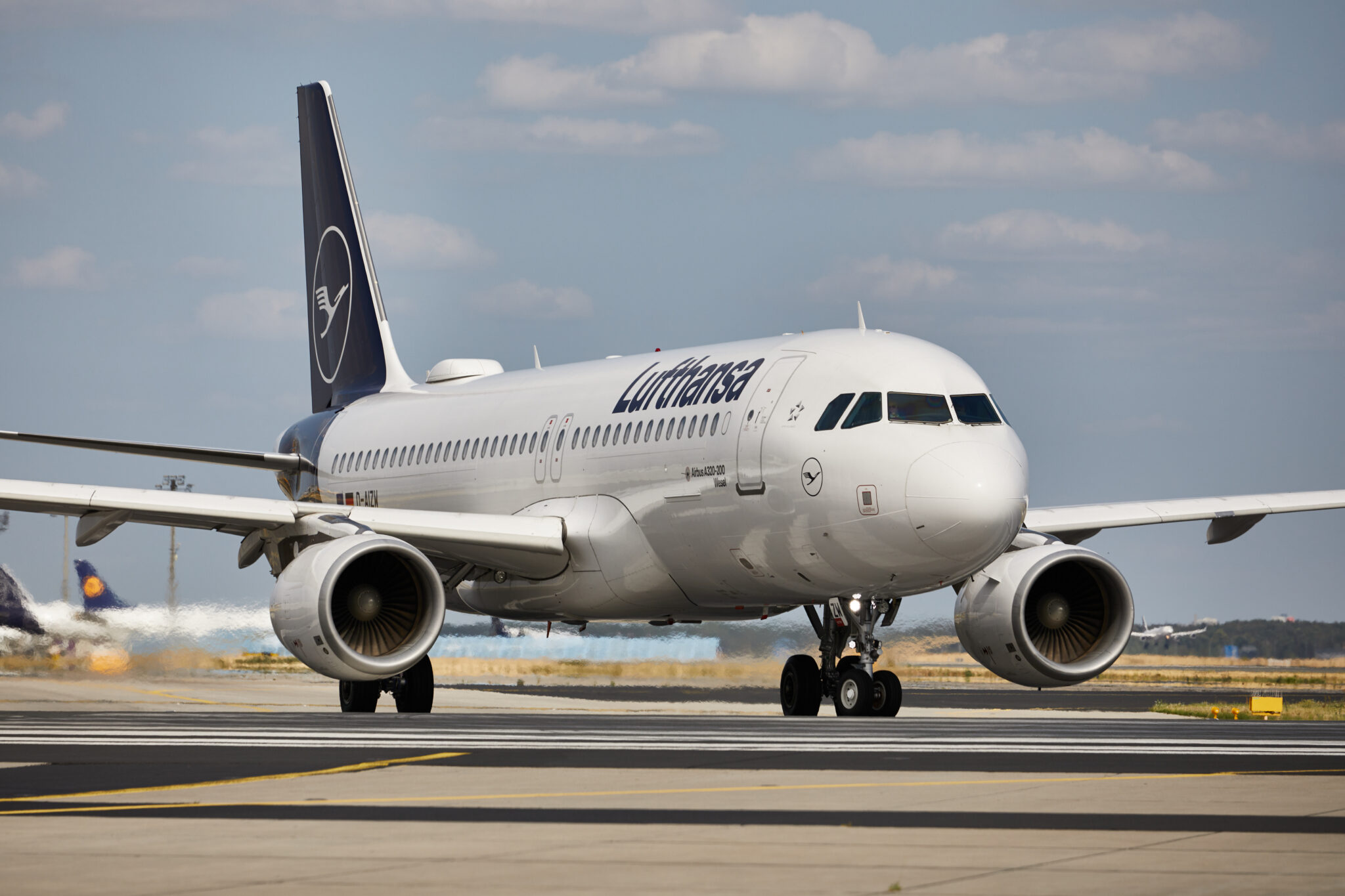
Lufthansa will not return to Bydgoszcz or Rzeszow, despite hopes of a wider regional recovery in Poland. The German carrier is instead consolidating its operations from Gdansk and Wroclaw around Frankfurt and Zurich.
The decision means two Polish regional airports remain without the airline, while other western and northern routes take on greater importance in Lufthansa’s network. The move underlines a shift away from direct expansion into smaller cities and towards stronger links with major hubs.
For passengers in Bydgoszcz and Rzeszow, the news closes off the prospect of a near-term Lufthansa comeback. For the airline, the strategy appears to focus on streamlining demand through a smaller number of international gateways.
The announcement was reported by Rynek Lotniczy, which said the carrier’s activity from Gdansk and Wroclaw would be consolidated through Frankfurt and Zurich. No timetable was given for any new or restored service to the two cities.
Regional connectivity remains a key issue for Polish airports, many of which have spent recent years trying to rebuild international schedules after the disruption caused by the pandemic. Airlines have increasingly favoured larger hubs, where they can gather more connecting traffic and fill flights more efficiently.
Lufthansa’s decision also reflects broader pressure on European network carriers to use aircraft and crews where they can generate the strongest returns. That often leaves smaller airports competing for limited capacity, even when local demand exists.
Bydgoszcz and Rzeszow have both relied on a mix of leisure, business and transfer traffic to support their route networks. A return by Lufthansa would have offered stronger links to one of Europe’s biggest airline groups, but that now appears unlikely.
The airline’s hub-led approach is common across the sector, particularly on routes where direct point-to-point demand is not large enough to support frequent service. Frankfurt and Zurich remain central to Lufthansa’s wider European network, giving it the ability to connect passengers onto long-haul and continental destinations.
For airports outside the main Polish hubs, the challenge is to attract carriers that can provide year-round links rather than seasonal services alone. The latest decision suggests Lufthansa sees better prospects in reinforcing established routes than in reopening smaller stations.
While the move may disappoint local travellers, it fits a pattern of consolidation already seen in many European markets. Airlines have been trimming thin routes, focusing on business-heavy cities and concentrating operations where transfer traffic is strongest.
There was no indication that the carrier plans any immediate change to its position. For now, Bydgoszcz and Rzeszow remain outside Lufthansa’s route map, even as Gdansk and Wroclaw continue to feed traffic into the group’s main hubs.