Lufthansa Group has cut around 20,000 flights from its schedules in the coming months as airlines grapple with sharply rising fuel costs. The reduction affects multiple carriers within the group and comes amid mounting pressure on margins across the aviation sector.
The move, first reported by the Financial Times, reflects the growing impact of higher jet fuel prices on airline profitability. Carriers are adjusting capacity to match demand and contain costs as fuel remains one of the industry’s largest expenses.
The cuts are expected to affect both short-haul and long-haul routes, with some frequencies reduced and others temporarily suspended. Lufthansa has not published a full breakdown, but the scale of the changes signals a significant recalibration of its network.
Airlines typically respond to fuel price volatility by adjusting schedules, hedging fuel purchases, or passing costs on to passengers through higher fares. In this case, Lufthansa appears to be prioritising capacity discipline, aiming to maintain load factors and protect yields rather than operating less profitable services.
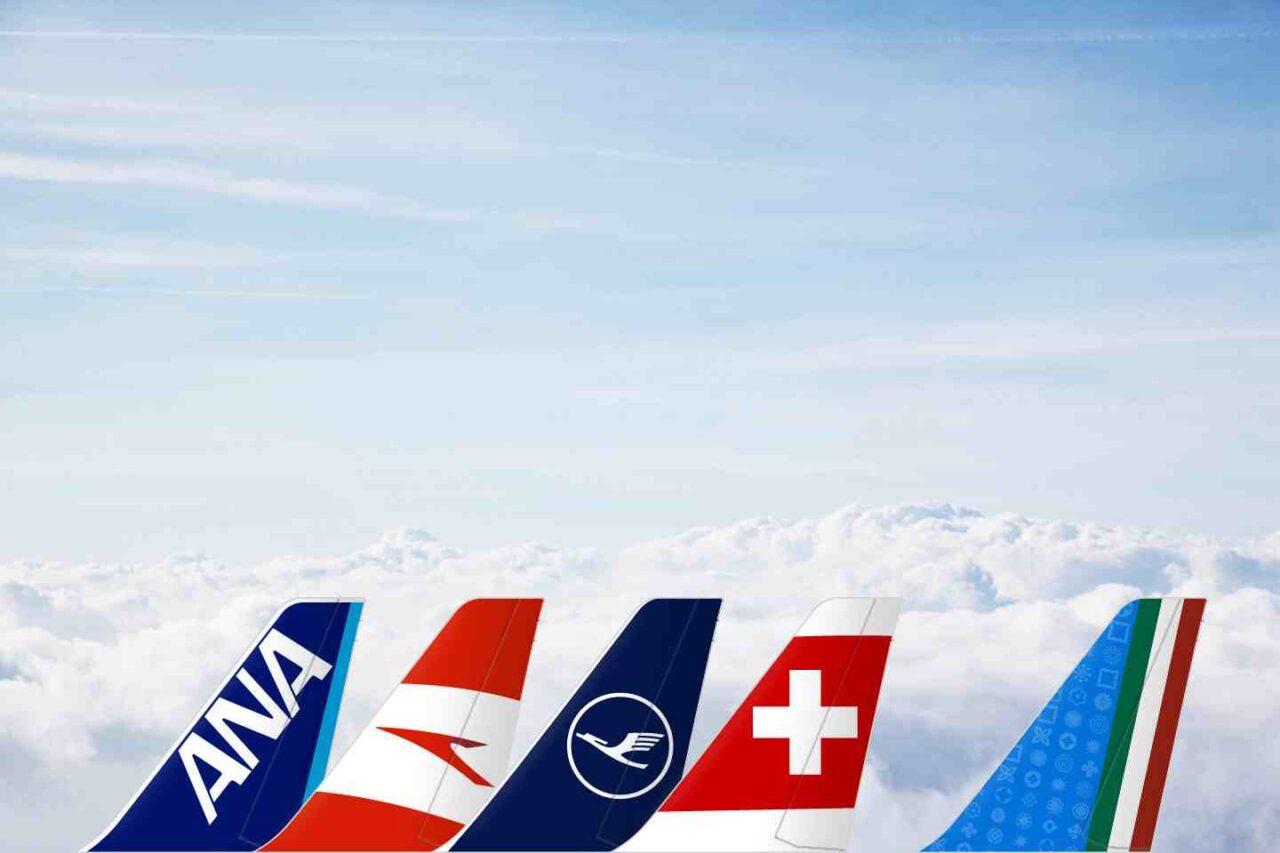
The Lufthansa Group includes several airlines, such as SWISS, Austrian Airlines and Brussels Airlines, as well as Eurowings. Changes to the network are likely to be distributed across these brands, depending on regional demand patterns and operational considerations.
Industry analysts say the decision underscores how sensitive airline economics remain to energy markets. Fuel can account for up to a third of operating costs, and sudden increases can quickly erode profitability, particularly on price-sensitive routes.
Recent months have seen a sustained rise in jet fuel prices, driven by global supply constraints and broader energy market dynamics. While demand for air travel has remained relatively strong in many regions, especially during peak travel seasons, higher operating costs are forcing airlines to rethink expansion plans.
For passengers, the immediate impact may include fewer flight options on certain routes and potential fare increases. Reduced frequencies can also affect connectivity, particularly at major hubs where Lufthansa operates extensive transfer networks.
Airports served by Lufthansa and its subsidiaries may see changes in traffic volumes as a result of the cuts. Smaller or less profitable routes are often the first to be adjusted when airlines streamline operations, though high-demand corridors are typically preserved.
The decision also reflects a broader trend in the aviation industry, where carriers are balancing post-pandemic recovery with new financial pressures. While many airlines have restored much of their pre-2020 capacity, the current cost environment is prompting a more cautious approach.
Lufthansa has previously indicated a focus on improving efficiency and profitability, including fleet modernisation and operational optimisation. Newer aircraft tend to be more fuel-efficient, which can help mitigate the impact of higher fuel prices over time.
However, fleet renewal is a long-term strategy, and short-term adjustments such as schedule cuts remain a key tool for managing immediate cost pressures. By reducing the number of flights, airlines can consolidate demand onto fewer services, improving load factors and reducing per-seat costs.
The coming months will test how effectively airlines can balance cost control with maintaining service levels. Much will depend on how fuel prices evolve and whether demand remains resilient in the face of potential fare increases.
For now, Lufthansa’s decision to cut 20,000 flights highlights the continued volatility facing the aviation sector. As external pressures persist, further adjustments by major carriers cannot be ruled out.