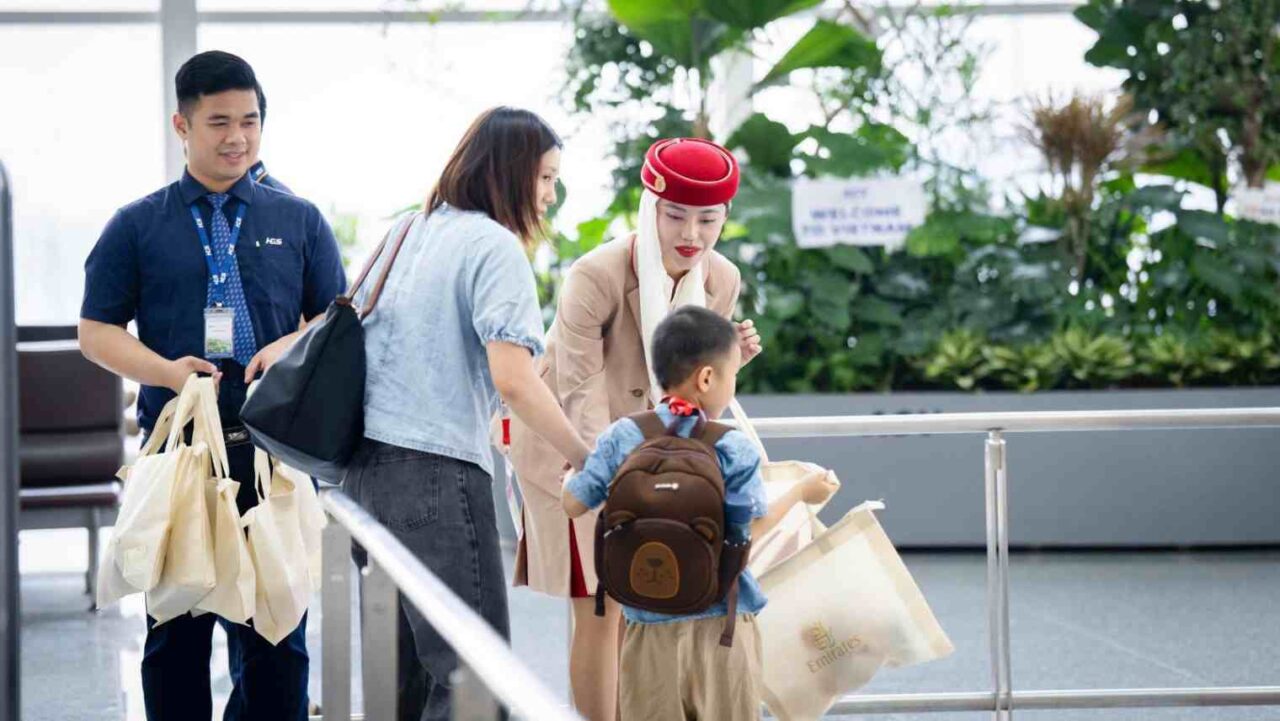
Emirates has carried out more than 40 simulated flight experiences in 40 cities worldwide over the past year, aimed at supporting children and young adults on the autism spectrum. The programme allows participants to rehearse key stages of air travel in a controlled and predictable setting.
The initiative is designed to reduce anxiety associated with flying by familiarising participants with airport procedures, boarding, and the in-flight environment. It forms part of broader efforts by airlines and airports to make travel more accessible to neurodiverse passengers.
More than 250 families have benefited from the simulations, according to the airline. The sessions typically recreate the airport journey from check-in to boarding, helping participants understand what to expect before they travel on a real flight.
The programme has expanded steadily, with sessions now held across multiple regions including Europe, the Middle East, Asia, and the Americas. Each simulation involves coordination with local airports, ground staff, and trained facilitators who guide families through the process step by step.
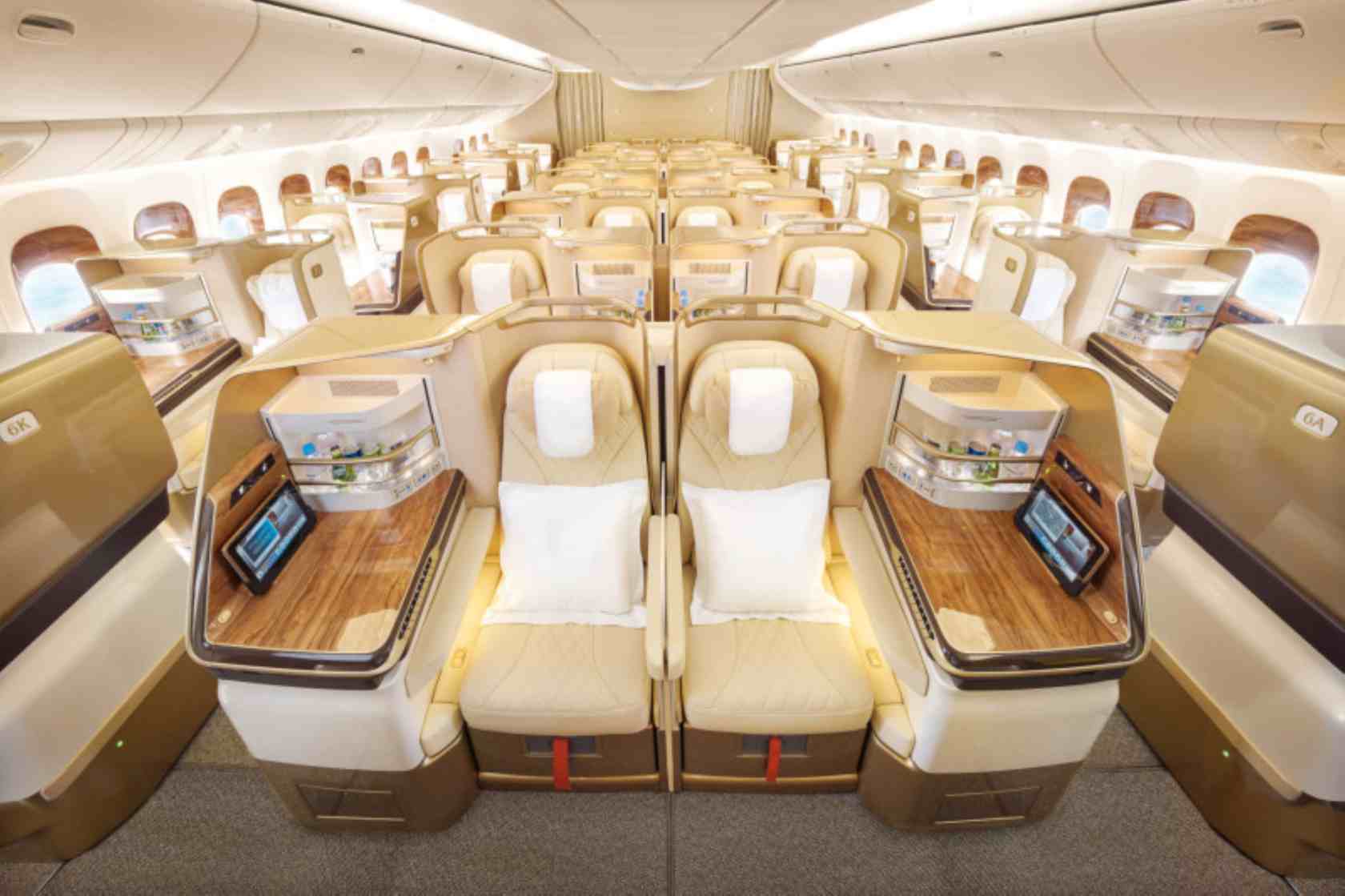
Participants are introduced to common travel scenarios such as security screening, waiting at the gate, and boarding an aircraft. In some cases, they are also able to sit inside a plane to experience cabin conditions, including announcements and seating arrangements.
Air travel can be particularly challenging for individuals on the autism spectrum due to unfamiliar environments, sensory stimuli, and changes in routine. Bright lights, crowded spaces, and unexpected noises can increase stress levels, making preparation a key factor in improving the travel experience.
By offering a structured and supportive environment, Emirates aims to build confidence among participants and their families. The airline says the initiative helps reduce uncertainty and allows travellers to approach real journeys with greater comfort.
The simulations are often organised in partnership with local autism support organisations and airport authorities. These collaborations ensure that the sessions are tailored to the needs of participants and reflect real-world travel conditions as closely as possible.
Airports involved in the programme also benefit from increased awareness and staff training. Ground personnel and cabin crew receive guidance on how to assist neurodiverse passengers, including communication techniques and strategies to manage sensory sensitivities.
The initiative reflects a wider shift in the aviation industry towards inclusive travel. Several airlines and airports have introduced sensory rooms, quiet spaces, and priority services for passengers with hidden disabilities in recent years.
Emirates has indicated that it plans to continue expanding the programme, with additional cities and participants expected to be included. The airline is also exploring ways to integrate accessibility features into its broader customer experience.
Families who have taken part in the simulations report increased confidence when planning future trips. For many, the opportunity to practise the journey in advance reduces stress and makes air travel a more viable option.
As demand for inclusive travel grows, initiatives such as these are becoming an important part of how airlines address diverse passenger needs. The success of the programme highlights the role of preparation and understanding in making air travel accessible to a wider range of people.