Travel across parts of New York is being disrupted as flooding continues to impact key areas in the western and central regions following days of heavy rainfall.
Flood warnings remain in place, with several rivers and creeks exceeding or nearing flood stage, creating hazardous conditions for drivers and affecting access to local attractions and communities.
In western New York, minor flooding has been recorded along Cayuga Creek near Lancaster, where water levels rose above 9.7 feet overnight. While levels are expected to recede later today, nearby roads and low-lying areas may remain affected in the short term.
More significant disruption is expected around Buffalo, where moderate flooding is forecast along Tonawanda Creek at Batavia and Buffalo Creek at Gardenville. Rising water levels in these areas could inundate roads and impact homes and businesses, particularly in flood-prone zones.
The Rochester region is also seeing widespread impacts, with waterways such as Irondequoit Creek, Honeoye Creek, and Oatka Creek either already flooding or expected to do so. Parks, walking trails, and some local roads have been affected, with Irondequoit Creek approaching notably high levels. For visitors, this could limit access to outdoor areas and scenic routes.
Further east, central New York is facing similar challenges. The Tioughnioga River at Cortland and the Chenango River at Sherburne are both forecast to reach minor to moderate flood stages, raising the risk of localized road closures and detours.
Cayuga Lake at Ithaca is also expected to rise above flood stage, which may impact lakeside roads and nearby properties, potentially disrupting travel plans in a popular tourist area.
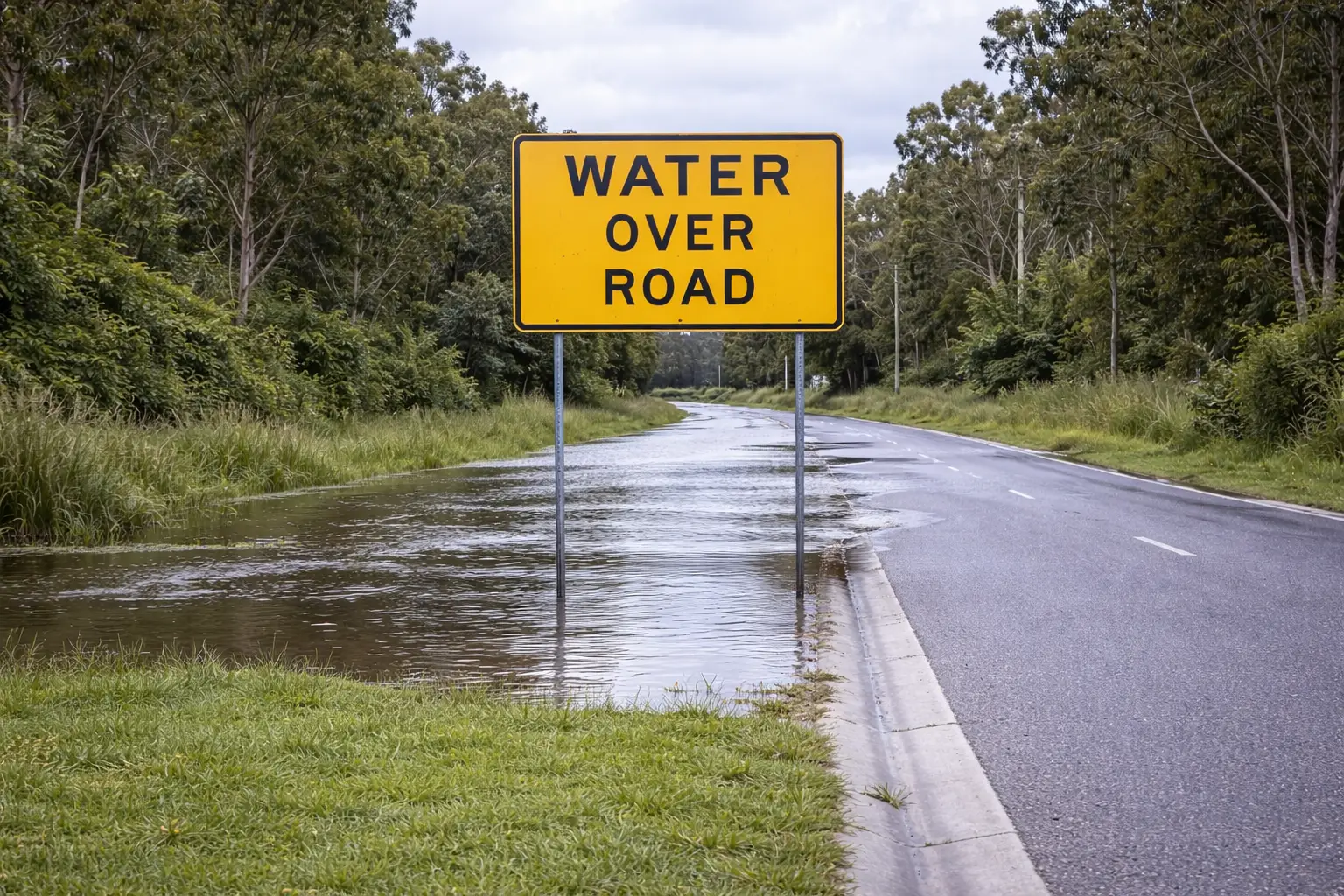
For those travelling through or visiting these regions, conditions may change quickly. Flooded roads, detours, and restricted access to certain areas are likely, particularly in low-lying or riverside locations.
Authorities are advising caution, especially when driving, as even shallow floodwaters can pose serious risks. Checking local updates and allowing extra travel time will be essential as water levels gradually begin to stabilise.