Easter travel plans across parts of the United States are facing significant disruption, as winter storms sweep through the Midwest and Great Lakes despite the arrival of spring.
Forecasters have issued multiple winter weather warnings across states including Minnesota, Michigan, and South Dakota, with hazardous conditions expected to last through the end of the week and into the Easter weekend. For travellers, the timing could not be more challenging, with road trips, flights, and holiday getaways all at risk.
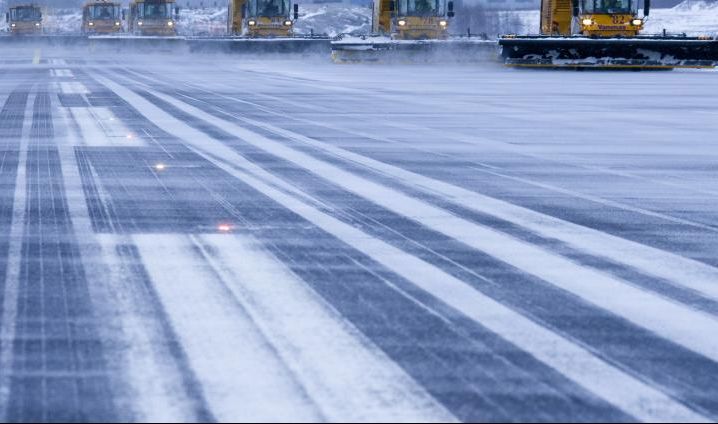
From Wednesday through Friday, northern areas of the Midwest are expected to see between 6 and 12 inches of snow, combined with wind gusts reaching up to 40 mph. These conditions are likely to reduce visibility, create icy roads, and lead to delays across both highways and regional airports.
Meteorologists warn that the shift in weather could be abrupt. After a period of unseasonably warm temperatures earlier in the week, a fast-moving system is expected to bring a sharp drop in temperatures, turning rain into snow and ice within hours.
The heaviest snowfall is forecast across central South Dakota, much of Minnesota, northwestern Wisconsin, and Michigan’s Upper Peninsula. The snow is expected to be wet and heavy, increasing the risk of downed trees and power lines, which could further disrupt travel and infrastructure.
The situation may worsen over Easter weekend, with another storm system projected to bring additional snow and ice across a wider area, including parts of Iowa, Wisconsin, northern Michigan, and even northern Maine.
There is also growing concern about a potential ice storm impacting Michigan, Wisconsin, the Great Lakes, and northern New England. Ice accumulation could lead to power outages and dangerous travel conditions, particularly on untreated roads and rural routes.
For travellers, flexibility and preparation will be essential. Delays, cancellations, and changing conditions are likely, especially in regions directly in the storm’s path. Checking forecasts regularly, allowing extra travel time, and considering alternative plans could help avoid major disruptions.
While this late-season blast of winter weather is unusual, forecasters suggest it may be one of the final cold snaps before more stable spring conditions take hold. Until then, anyone travelling across the affected regions should be prepared for winter-like conditions during what is typically a spring holiday period.