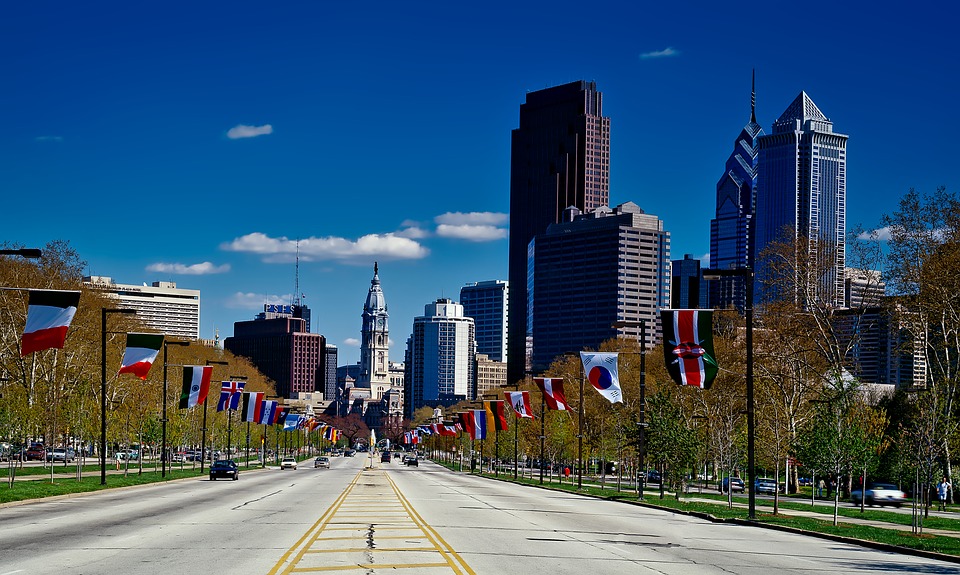

Philadelphia is now part of a growing national response to a mounting aviation bottleneck, as TSA officers based at Philadelphia International Airport are being dispatched to other states to help stabilize overwhelmed airport operations.
The move, while not unprecedented, reflects the scale of disruption currently unfolding across U.S. airports. What was once a rarely used contingency – temporary staff redeployment – has become an increasingly visible tool to prevent security checkpoints from grinding to a halt.
At least several officers from Philadelphia have already been reassigned to airports under acute pressure, including facilities in Texas and Arizona. These deployments are part of the TSA’s internal “surge support” system, designed to shift personnel from relatively stable locations to critical hotspots. Now, that system is being pushed to its limits.
The reason is structural rather than local. Airports across the country are facing simultaneous stress from workforce shortages and rising passenger volumes. In some hubs, absentee rates among TSA officers have surged dramatically, leaving checkpoints understaffed and queues stretching for hours. Philadelphia, while affected, has remained comparatively more stable – making it a source of deployable staff.
Behind the staffing crisis is a broader federal funding impasse that has left many TSA employees working without pay. The consequences have been immediate. Hundreds of officers have resigned in recent weeks, while many more are calling out of shifts. The result is a patchwork system in which staffing levels vary sharply from one airport to another.
To manage this imbalance, the TSA has turned to redistribution. Officers from airports like Philadelphia are being sent to locations where shortages are most severe, effectively creating a national triage system for aviation security.
At the same time, travel demand is climbing. Seasonal increases, particularly tied to spring travel, are adding pressure to already strained checkpoints. Even a modest uptick in passenger numbers has translated into significant delays where staffing gaps are widest.
Efforts to plug the gaps through alternative measures have had limited success. Federal authorities have explored deploying personnel from other agencies to assist with basic functions such as document checks or crowd control. However, these staff lack the specialized training required for full security screening, limiting their impact.
The result is a system operating close to its threshold. In the most affected airports, passengers are reporting wait times stretching into multiple hours, raising concerns about missed flights and broader operational disruption.
For Philadelphia, the situation highlights a dual reality. While its own airport continues to function with relative stability, it is increasingly being drawn into a national effort to prevent more severe breakdowns elsewhere.
As long as the underlying staffing issues persist, the redistribution of TSA officers is likely to continue – turning airports like Philadelphia into critical support hubs in an overstretched system that is still searching for equilibrium.