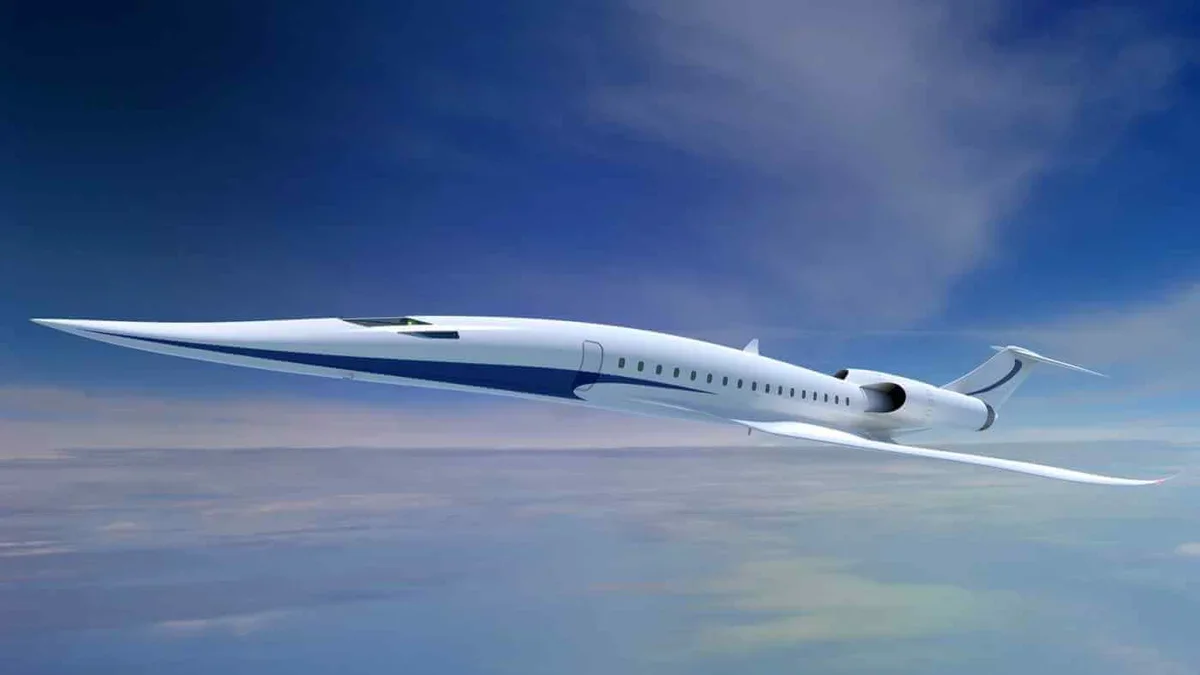
On October 28, 2025, NASA engineers achieved a historic milestone by taking the experimental supersonic aircraft X-59 QueSST on its maiden flight. Despite marking a breakthrough in the future of civil aviation, the event was intentionally quiet—both literally and figuratively.
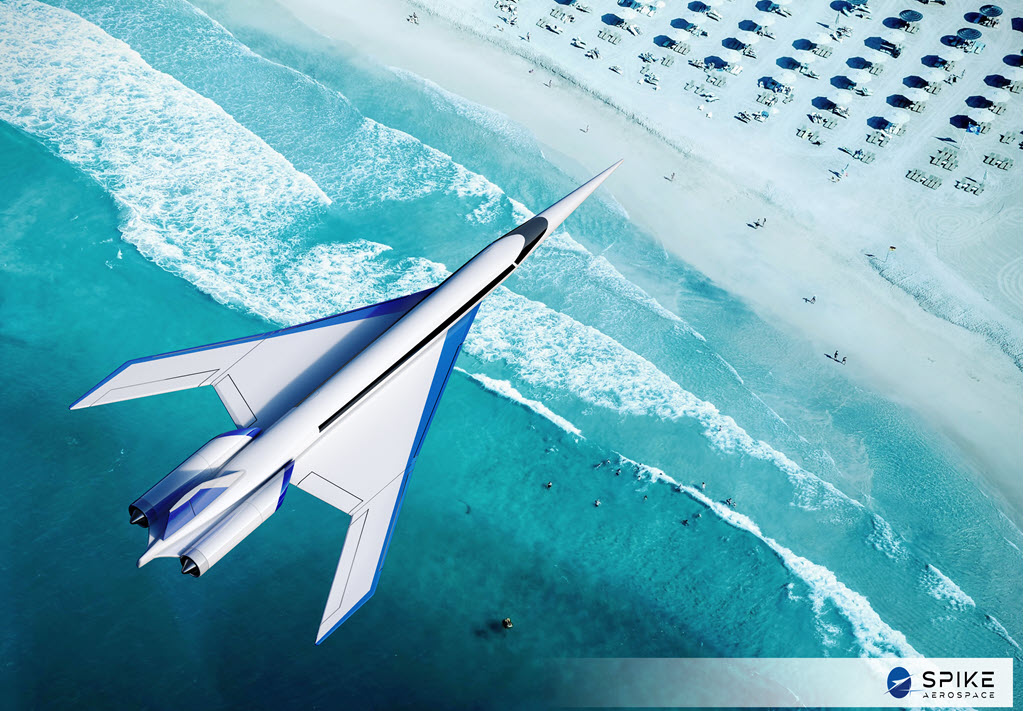
The X-59 took off from the U.S. Air Force’s Plant 42 base in Palmdale, California, the result of nine years of dedicated work by American engineers. The aircraft was developed by Lockheed Martin’s advanced research division, Skunk Works, known for its secretive projects. However, this time there is no military secrecy involved: the QueSST is not a weapon but a research aircraft designed to drastically reduce the noise of sonic booms. Its ultimate goal is to pave the way for a new generation of “quiet” commercial supersonic airliners.
“X-59 is a symbol of American ingenuity,” said U.S. Secretary of Transportation Sean Duffy. “It’s part of our DNA—to go further, faster, and quieter than anyone before.”
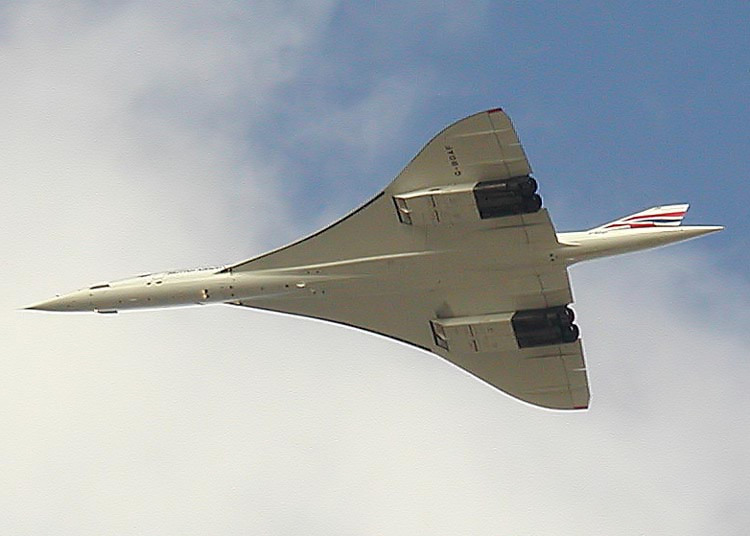
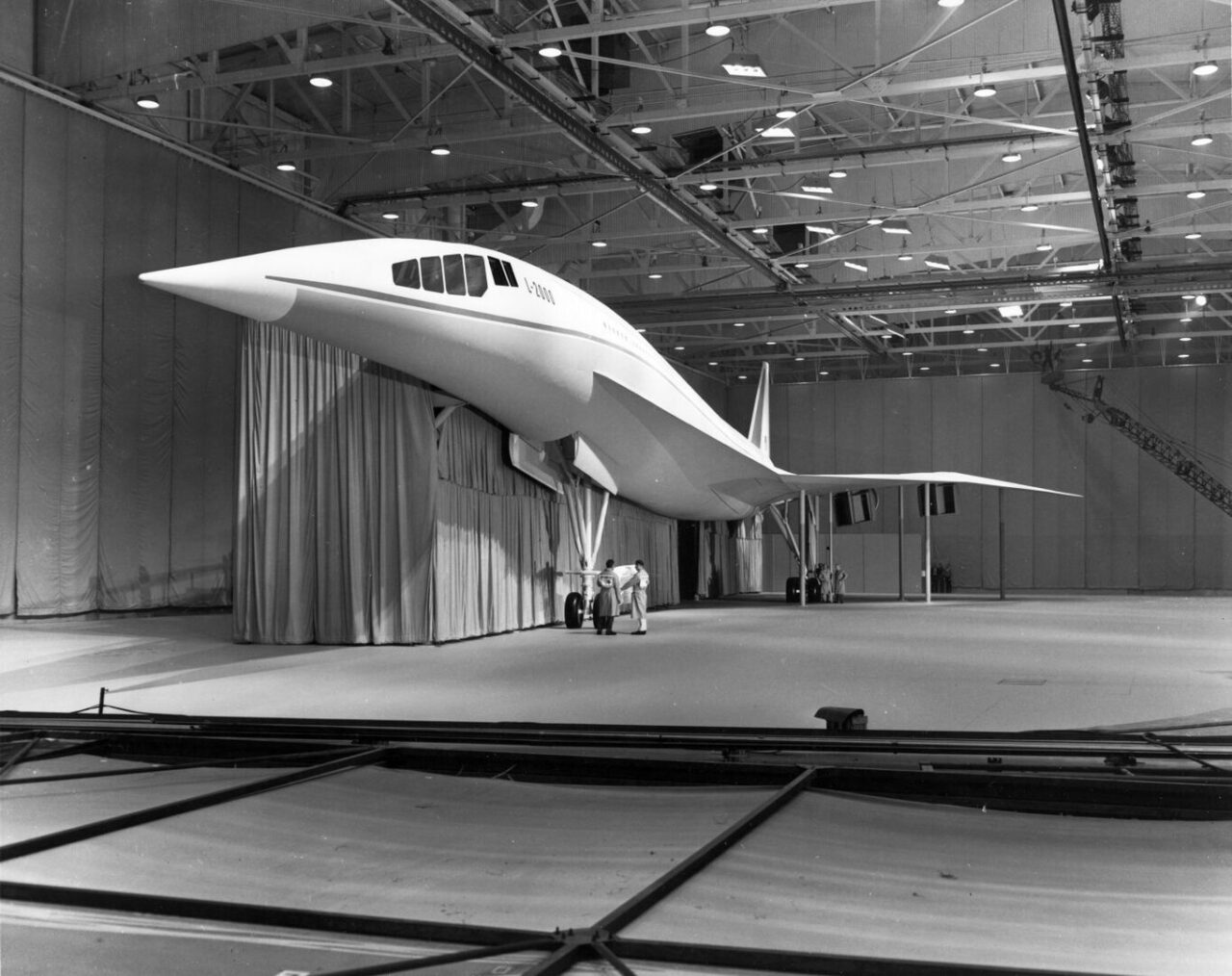
The concept of supersonic passenger aircraft isn’t new. During the Cold War, several nations explored the idea, but only two models reached commercial operation: the Anglo-French Concorde and the Soviet Tu-144.
The Concorde became an icon of luxury and speed, capable of cruising at 2,150 km/h. The Soviet Tu-144, meanwhile, managed to take off a year earlier—in December 1968—but its advantages ended there. Entering service in 1975, the Tu-144’s commercial life was short-lived, lasting only a few years (or barely one year of regular passenger flights) before being retired in 1978.
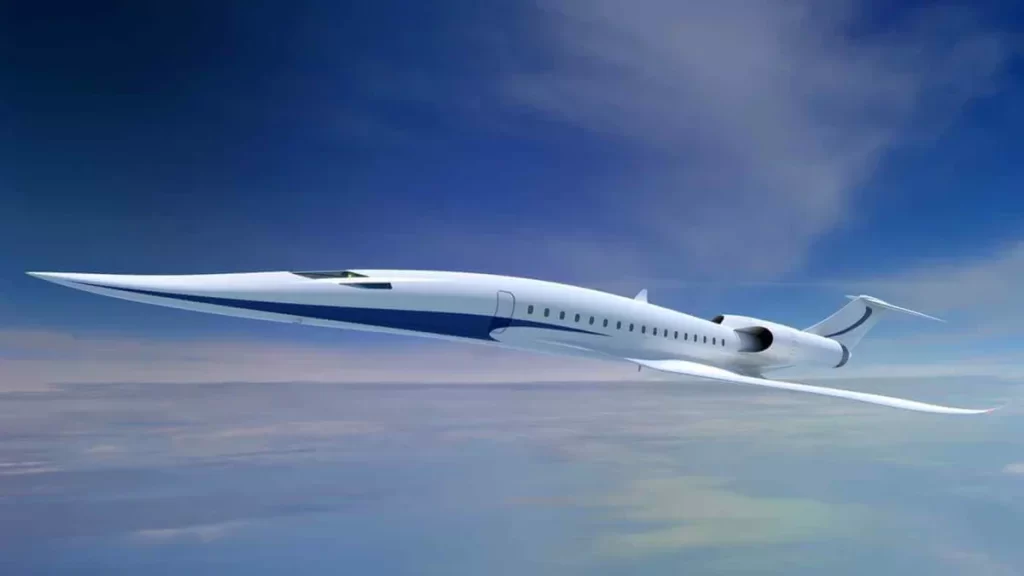
With the X-59, NASA and Lockheed Martin aim to succeed where previous generations could not—by making supersonic flight both practical and quiet enough for everyday use. If successful, this sleek experimental jet could usher in a new era of high-speed travel, connecting cities faster than ever without the disruptive thunder of the sonic boom.