
Artificial intelligence is rapidly reshaping the travel landscape — not just by optimizing search or recommendations, but by redefining how travelers engage, plan, and book. From GenAI chatbots to the rise of agentic AI systems, the industry is entering a new era of conversational commerce that could prove more disruptive than social media or online booking ever were, says Sabre report.
The logic is simple: commerce follows attention. As attention shifts from traditional websites and apps to AI-powered chat interfaces, so too will travel discovery and spending. During the pandemic, social commerce transformed how consumers shopped for fashion, beauty, and lifestyle goods. Yet while social platforms inspired wanderlust, they rarely closed the sale. The travel industry’s complex itineraries, high-value purchases, and multi-step coordination resisted the simplicity of a single swipe.
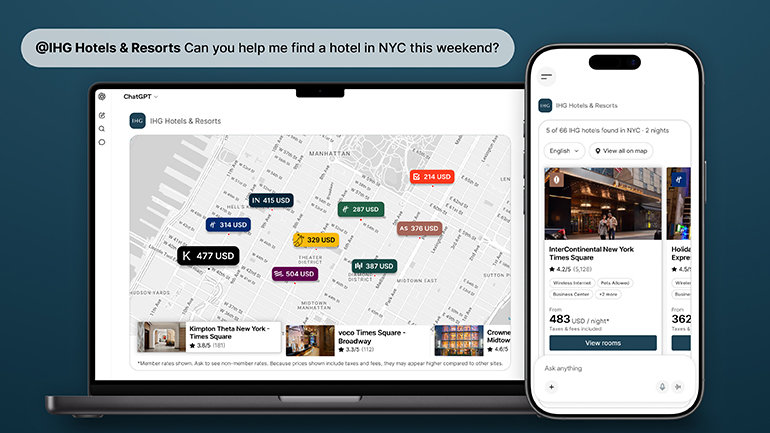
Now, conversational AI promises to close that gap. Large language models such as ChatGPT and purpose-built travel engines like KAYAK’s new AI Mode are turning natural-language questions into instant, bookable results. According to Phocuswright, three-quarters of travelers say GenAI improves trip planning compared to traditional search, and one in four would be comfortable letting AI complete bookings for them. The shift from search-driven discovery to dynamic, conversation-led engagement is well underway.
Agentic AI represents the next leap forward. Unlike traditional chatbots that respond to queries, these systems act as co-pilots — anticipating intent, orchestrating multi-step actions, and managing entire travel flows from inspiration to confirmation. McKinsey reports that nearly 60 percent of travel executives have already seen productivity gains through AI, while one-third say it has improved personalization and service quality.
This evolution positions travel at the forefront of the conversational commerce revolution. AI’s ability to interpret complex intent — “Plan a four-day winter getaway for two with spa access and mountain views under $1,500” — eliminates friction and accelerates decision-making. For consumers, this translates to instant gratification and hyper-personalized results. For suppliers, it means efficiency, better conversion rates, and the potential to expand total demand rather than compete for existing market share.
Beyond convenience, agentic AI also has the power to democratize travel. By surfacing lesser-known destinations, niche experiences, and flexible itineraries, AI can inspire new types of journeys and bring smaller operators into the global conversation. Every traveler becomes their own influencer — guided by algorithms that understand not just what they want, but why.
Industry analysts agree that the race is on. Skift notes that most travel companies now consider AI adoption a top strategic priority for the next three years, while more than half of agencies are already testing conversational tools to manage queries, bookings, and upsells. The lesson is clear: travel brands that integrate agentic AI early — with transparency, personalization, and trust — will define the next generation of digital travel.
As conversation replaces search and engagement becomes instantaneous, the future of travel will not be about clicks or filters, but about dialogue — a seamless exchange between traveler and technology that turns imagination into itinerary.