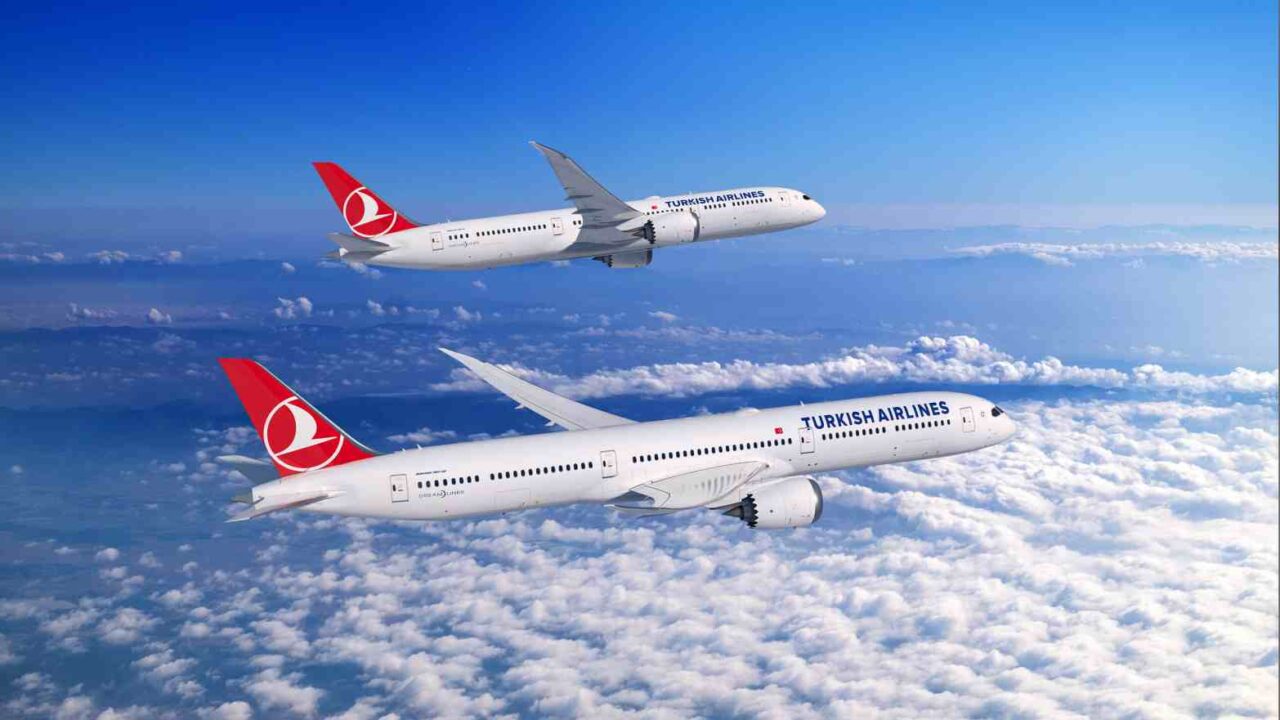
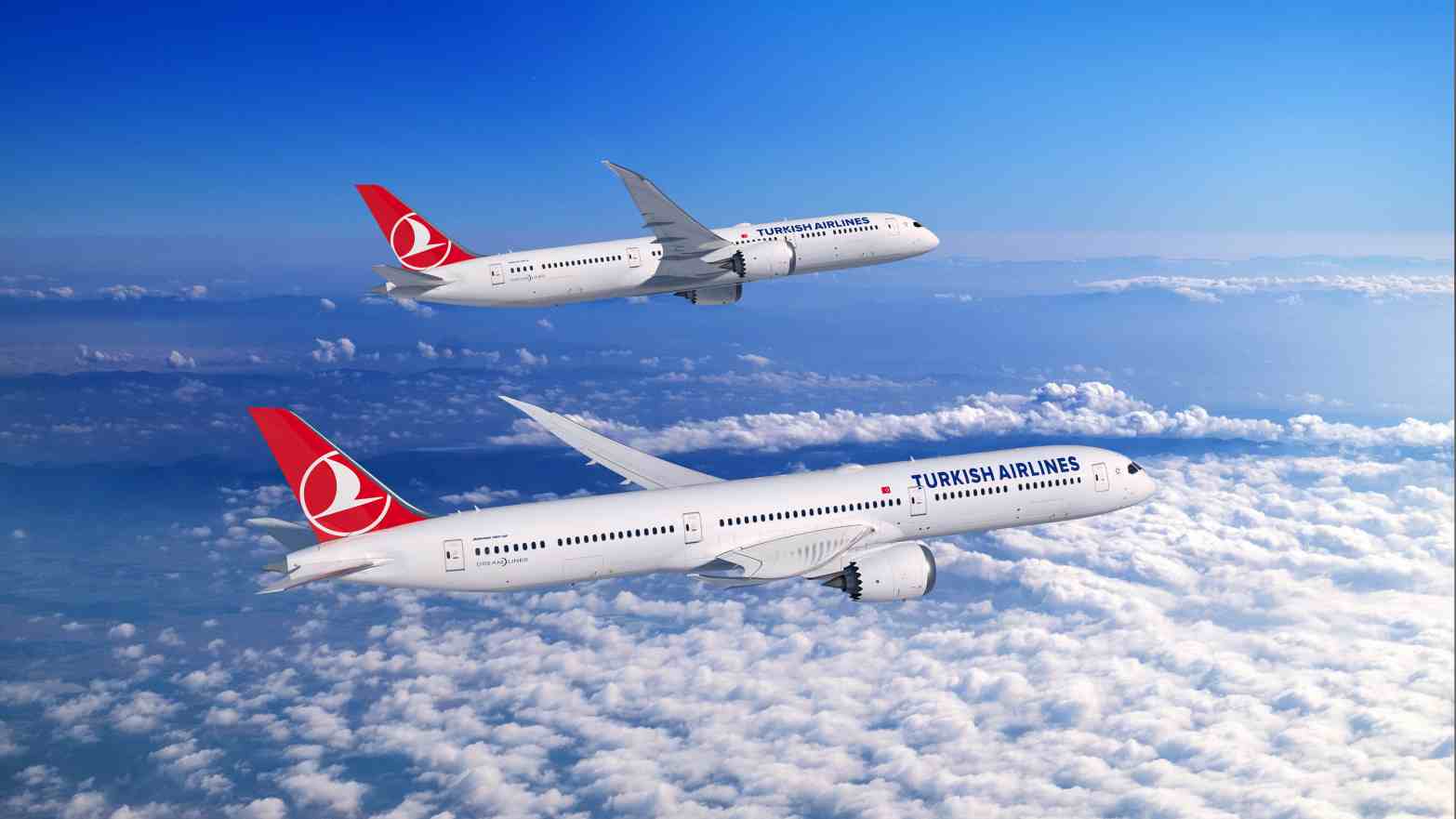
Turkish Airlines has warned it may redirect its planned purchase of Boeing 737 Max aircraft to Airbus if ongoing negotiations with engine supplier CFM International fail to reach favorable terms, the carrier’s chair told Reuters.
The warning follows the airline’s recent announcement of a tentative order for 150 Boeing 737 Max planes, a deal unveiled around the same time as a September 25 meeting between President Recep Tayyip Erdoğan and U.S. President Donald Trump. The agreement, however, remains contingent on a separate engine contract.
CFM International—a joint venture between GE Aerospace and Safran—is the exclusive engine supplier for Boeing’s 737 Max series and competes with Pratt & Whitney, a division of RTX, for Airbus A320neo family contracts.
Disagreement on Costs
“If CFM comes to feasible economic terms, then we are going to sign with Boeing,” Turkish Airlines Chair Ahmet Bolat said in an interview in Stockholm. He noted that while talks had made progress, cost disagreements persisted.
“If CFM continues its stance, we’ll change to Airbus. With Airbus, I have choices,” Bolat added, referencing the European manufacturer’s option of two engine suppliers.
CFM, the world’s largest aircraft engine producer by unit sales, declined to comment on contract talks, citing policy. Boeing also declined to comment on the situation.
Industry Tensions Rising
The deal, closely watched across the aviation industry, forms part of Turkish Airlines’ broader plan to expand and renew its fleet to around 800 aircraft by 2033. The airline ordered over 200 Airbus planes in 2023.
Industry insiders still expect an eventual deal with CFM, given the political significance of the order and limited production slots for competing Airbus jets.
Global Engine Supply Strains
Airlines worldwide have been struggling with engine shortages and maintenance delays, pushing up spare parts costs and straining relations between carriers and manufacturers. Turkish Airlines itself has experienced disruptions tied to Pratt & Whitney engines on its existing Airbus fleet.
Engine makers argue that higher prices are necessary to offset the substantial financial risks of developing next-generation propulsion systems.