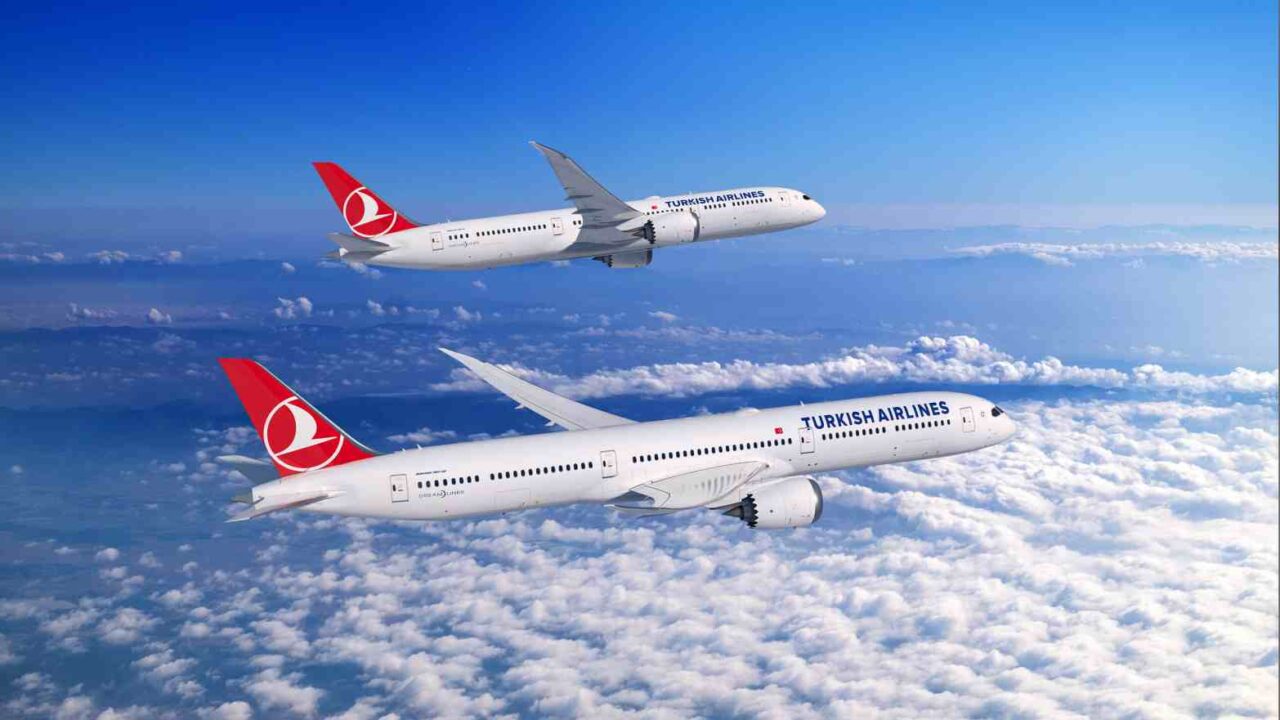
Turkish Airlines is moving closer to finalizing a deal with Boeing for 250 aircraft. Company chairman Ahmet Bolat confirmed that the agreement would support the airline’s long-term growth plan to expand its fleet to 813 aircraft by 2033.
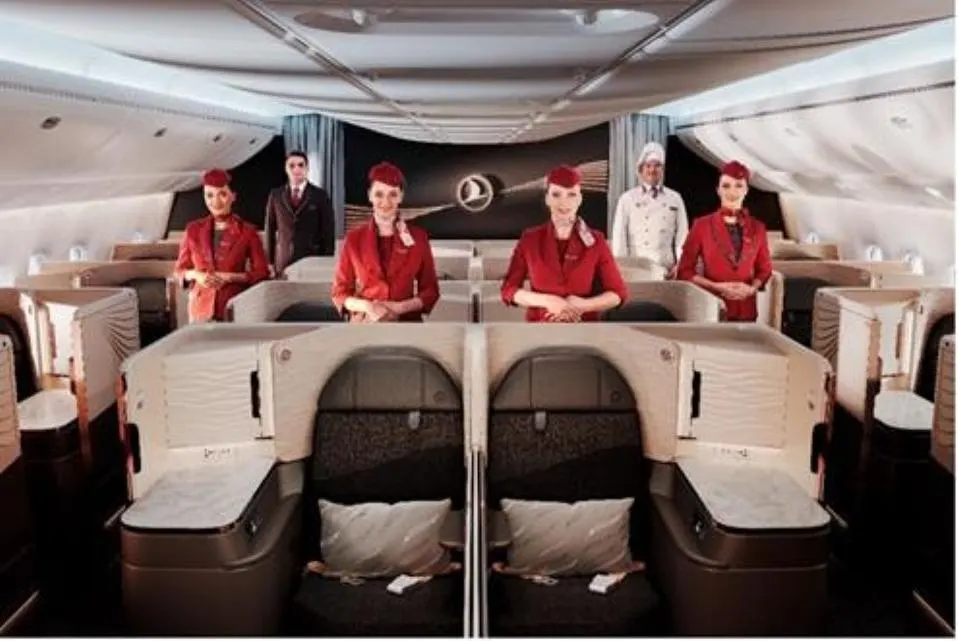
At the same time, the carrier is investing in innovations that go beyond fleet size. Through its joint venture Turkish Seat Industry (TSI), the airline is developing new seat designs that focus on both comfort and efficiency. Bolat explained that the business-class product has reached an advanced stage but must undergo lengthy testing and certification.
In economy class, the new seats are designed to be three kilograms lighter, a seemingly small change that carries a significant financial impact. “That weight reduction alone can increase annual cargo revenue by $4.5 million per aircraft,” Bolat noted. The lighter seats are already in use on Airbus A350 aircraft and are now in the final stages of testing.
Certification is taking place at a new facility at Middle East Technical University in Ankara, which has been accredited by both Boeing and Airbus. Bolat described the project as another step in Turkish Airlines’ transformation, reflecting its ambition to combine fleet expansion with homegrown technological innovation.
Alongside these developments, Turkish Airlines expects to carry 171 million passengers annually by 2033, with projected revenues of $52.2 billion and an estimated contribution of $144 billion to Türkiye’s economy.