
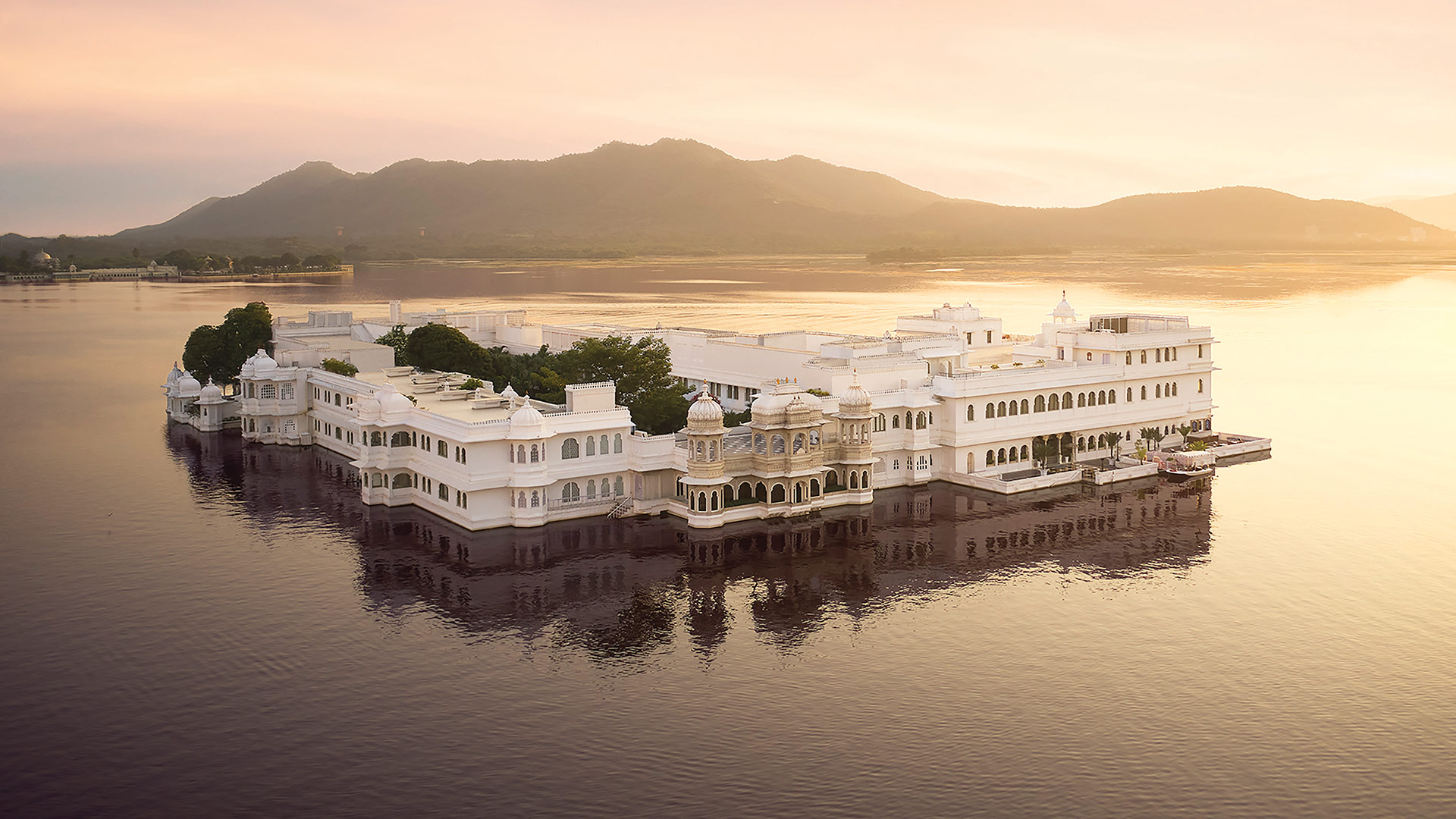
India isn’t just a country to visit; it’s a country to experience in layers. You may find yourself enjoying a sunrise over the Taj Mahal one day and a day in a spice market in Jaipur the next, or sitting in meditation along the Ganges in Rishikesh. India is a vast country, comprising a variety of landscapes, dozens of languages, and from the Himalayan peaks to the tropical backwaters. Here’s a guide for those who want to know how to plan a trip to India without getting lost in the chaos.
- Decide why you are going.
Before you reserve your flight, make sure you know what you’re looking for. The thematic travelers are rewarded in India for their two-week sojourn instead of “seeing it all.”
- Enthusiastic activities — excursions and field trips to The Golden Triangle (Delhi, Agra, Jaipur), Hampi or Tamil Nadu temples.
- Nature and adventure — Ladakh trekking, wildlife safaris in Ranthambore or backwaters in Kerala.
- Spirituality and wellness — Rishikesh, Varanasi or a Yoga retreat in Goa.
- Art and culture — street art or festivals, such as Holi or Diwali, in Mumbai or Amritsar.
- Choose the right time to visit
The timing of your trip could be critical. The climate in India is highly variable; the best time to visit will depend on the region.
- Most places in the country enjoy the best weather between October and March, which are cooler and drier — perfect for North India, Rajasthan, and the Golden Triangle.
- The months of April, May, and June are very hot on the plains but are favorable for the hill stations of the Himalayas, Himachal Pradesh, and Uttarakhand.
- Monsoon season (July to September): VERY lush and very beautiful in Kerala & Western Ghats, but it can be unpredictable elsewhere!
- Clear up your visa in advance
A visa is required for most foreign nationals to enter India. However, for citizens of many countries, this is relatively hassle-free; Fill out the visa form online, submit the required documents, and receive the approval within a few days. Avoid the last-minute rush and apply at least 2-3 weeks before departure. For any change in the requirements or eligibility of any nationality, always check the latest regulations on the official government visa website of India.
- Plan a feasible journey
This is the number one mistake that most first-time visitors make: packing too much into a small amount of time. India is vast, and distances within the country are not known. Some route planning suggestions:
- Rather than travel the entire country, base your trip around one or two regions. A 7 – 10 day tour of Golden Triangle (Delhi-Agra-Jaipur) is good for an initial trip.
- Take into consideration travel time, not distance.
- Routes alter, trains are cancelled, roads are clogged & congested; plan carefully.
- Budgeting for the trip
India can be as affordable or as luxurious as you want it to be. You can stay comfortably in guesthouses, eat street food, and use local transport, while medium-budget visitors can expect better guest houses, private drivers and planned experiences. But luxury heritage stays and private tours can exceed that. Even if you have a small budget, you should have some cash in hand, particularly in remote areas away from major cities where card and UPI payments may not be accepted.
- Tackle Logistical Details: Health, Packing, and Connectivity
There are some practical things that can make a huge difference after you arrive:
- Vaccinations and health precautions — see a travel clinic a few weeks prior to travel; will differ from area to area.
- Travel Insurance — It is always advisable to have it, particularly when going on an adventure or to a high-altitude area.
- Packing — light and breathable layers for the majority of the year, a scarf or shawl for visits to the temples, and comfortable walking shoes.
- Choose a SIM card when you arrive to easily access maps, ride-hailing apps, translation apps, etc.
FAQs
Q: Is it necessary to have a tour guide in India?
Not always, but if it is your first time, a local guide or driver, even for part of the journey, can help you save some time, add historical perspective to your trip, and can remove the stress from navigation.
Q: When do I have to travel for my first time in India?
The minimum number of days to explore one or two areas in comfort is 10 to 14 days.
Q: Is it safe to travel in India as a solo traveler?
Yes, follow the rules of “standard precautions”: only stay in rooms that have been reviewed, don’t stay in isolated rooms at night, and have copies of important papers.
Conclusion
When you look at travelling to India, it’s not something to be frightened of, as long as you’re willing to make the journey into a manageable list of steps: set your goal, pick the right season, deal with your visa ahead of time, create a realistic travel plan, work out your budget diplomatically, and look at the practical details before you arrive. Get a head start, remain flexible with your plans, and you will return home with a lifelong story.