France’s world-famous Limoges porcelain has become the first artisanal product to receive protection under the European Union’s new geographical indication scheme for crafts and industrial products. The designation gives the iconic porcelain the same type of legal protection already enjoyed by renowned food and drink products such as Champagne and Parmigiano Reggiano.
The new status ensures that only porcelain produced according to traditional methods in the Limoges region can legally use the famous name, helping consumers distinguish authentic products from imitations while protecting the area’s centuries-old craftsmanship.
A Tradition Dating Back More Than 250 Years
The history of Limoges porcelain began in 1768 when deposits of kaolin—often referred to as “white gold”—were discovered near Saint-Yrieix-la-Perche, southwest of the city of Limoges in central France. The exceptionally pure white clay became the foundation for producing fine yet remarkably durable porcelain.
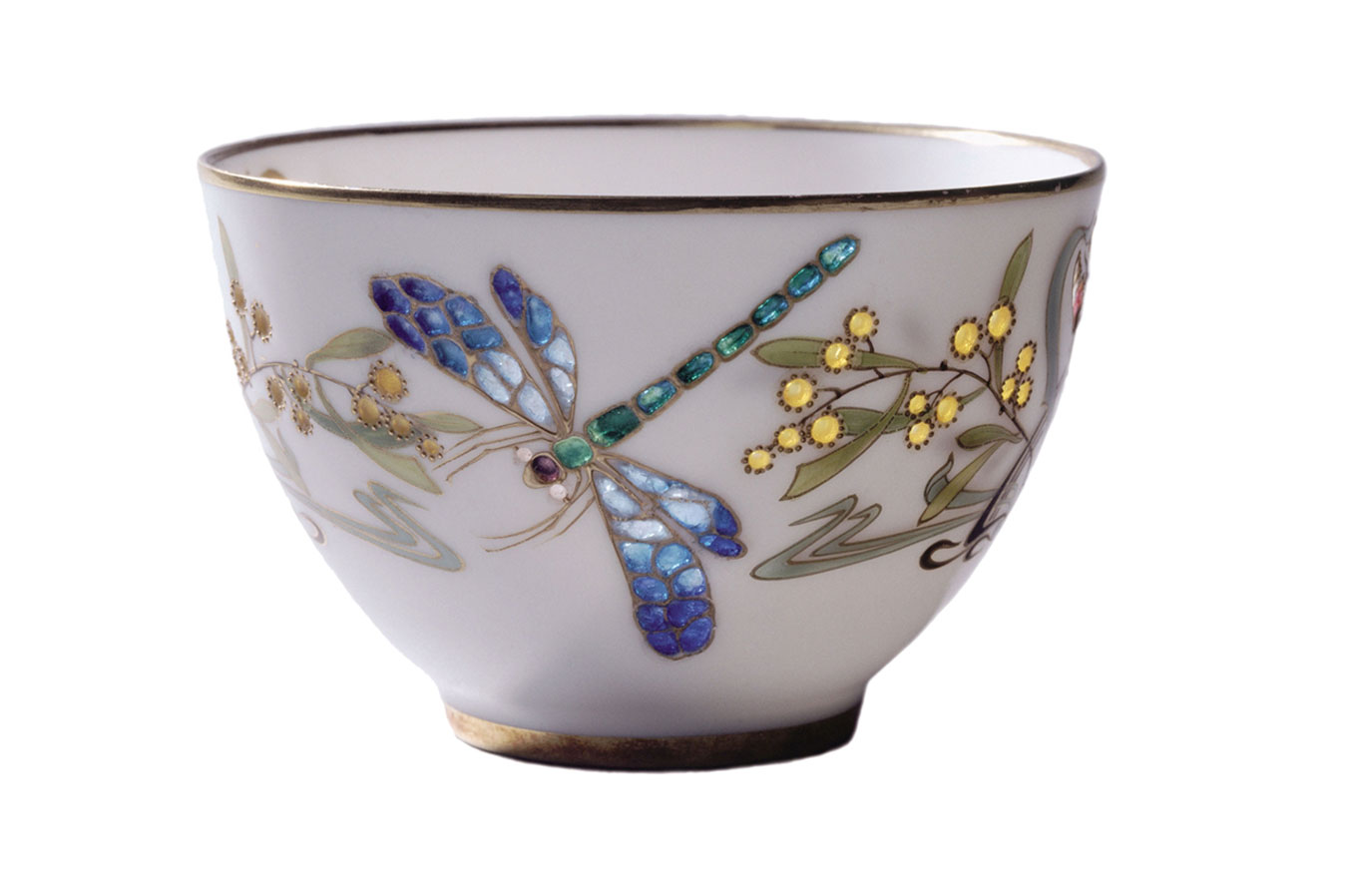
For more than two centuries, artisans have crafted tea and dinner services, vases, decorative boxes, figurines and ornamental panels from the material. Traditional Limoges porcelain is often left pure white to highlight its brilliant glaze and elegant shapes, although many pieces feature hand-painted floral motifs, cobalt blue accents and gold detailing.
Protected by Place of Origin
Under the new geographical indication rules, every stage of production must take place in the Haute-Vienne department, where Limoges is located. The protection recognises that the porcelain’s quality and reputation are closely linked to both the local kaolin deposits and the region’s long-established manufacturing expertise.
The geographical indication also prevents unauthorised producers from using the Limoges name on products that are not made in the designated area.
New EU Scheme for Traditional Crafts
The European Union’s geographical indication system for craft and industrial products came into force on December 1, 2025. It extends protection beyond food and beverages to products such as ceramics, textiles, embroidery, cutlery, jewellery and other traditional crafts that are intrinsically linked to a specific place of origin.
Since applications opened, EU member states have submitted 74 registrations under the new scheme.
European officials say the initiative is designed not only to protect internationally recognised names but also to preserve traditional skills, support local employment and promote products that form an important part of Europe’s cultural heritage.