
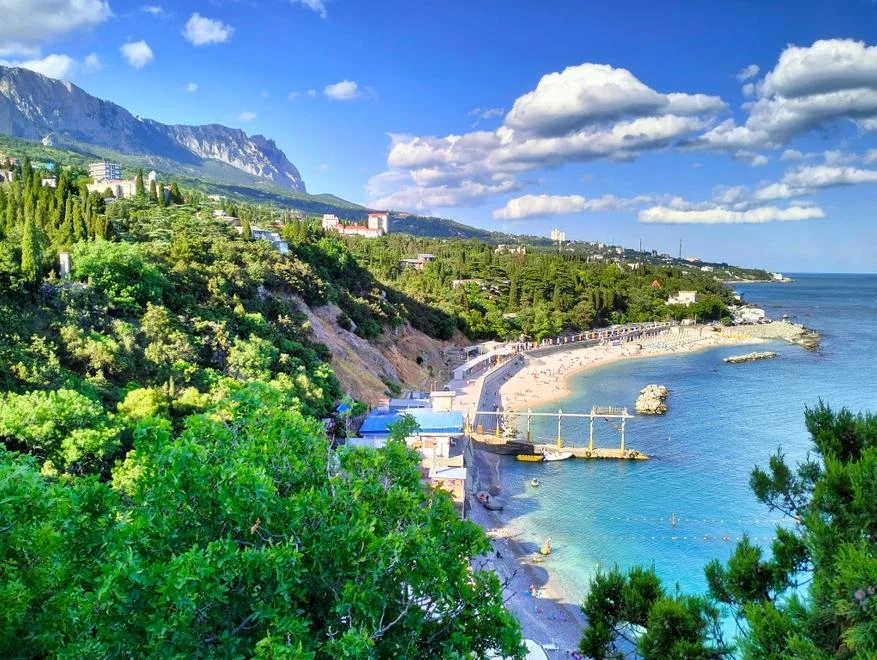
Crimea’s tourism sector is facing a significant setback ahead of the peak summer season as fuel shortages and travel disruptions trigger a wave of hotel booking cancellations across the peninsula.
According to data from Russian hotel management platform Travelline cited by Russian media outlet Kommersant, hotel bookings in Crimea fell by 31% between 24 May and 6 June compared with the same period last year. The decline was even steeper in Sevastopol, where bookings dropped by 40%.
The figures highlight growing challenges for a destination that remains heavily dependent on domestic tourism and road travel, particularly following the suspension of regular commercial flights to the peninsula.
Bookings and Cancellations Move in Opposite Directions
The decline in reservations comes at a crucial time for Crimea’s hospitality industry, which relies on strong summer demand to drive annual occupancy and revenue.
According to reports, Crimea has now fallen out of Russia’s top 10 domestic tourism destinations, accounting for just 1.5% of hotel sales. Data from online travel agency OneTwoTrip suggests demand has weakened even further, with hotel bookings during the first week of June falling to roughly one-third of last year’s level.
At the same time, cancellation rates have increased significantly. Industry figures indicate that the number of cancelled stays has doubled in recent weeks as travellers redirect holiday plans to alternative destinations along the Black Sea coast.
Sergei Romashkin, Vice President of the Association of Tour Operators of Russia, said demand had deteriorated rapidly in early June.
“Sales have fallen by 20% compared with the previous seven days,” he said, reflecting a sharp slowdown in booking activity.
Fuel Restrictions Affect Visitor Access
The tourism slowdown is closely linked to fuel supply problems affecting the peninsula. With air services largely unavailable, the majority of visitors travel by road using private vehicles, coaches and other forms of ground transportation.
According to the Russian-appointed Ministry of Resorts and Tourism, approximately 76% of visitors arrived by road in 2025, while the remaining 24% travelled by rail.
Fuel sales have become heavily restricted in several areas, with motorists reportedly limited to purchasing 20 litres per vehicle. Availability has also become increasingly inconsistent, creating uncertainty for travellers planning longer journeys.
In Sevastopol, authorities have introduced a digital allocation system using QR codes through the state-linked Max messaging platform. Under the scheme, drivers can purchase up to 20 litres of fuel per week, although reports indicate available allocations are often exhausted within minutes.
The restrictions follow ongoing disruptions to fuel supply chains serving the peninsula, resulting in tighter rationing measures and reduced availability at filling stations.
Alternative Destinations Benefit
The fuel crisis is also influencing travel patterns across the wider Black Sea region. Travel operators report that many holidaymakers are choosing alternative destinations in Russia’s Krasnodar region rather than risking potential transport difficulties in Crimea.
As demand shifts elsewhere, some neighbouring areas have experienced increased pressure on fuel infrastructure as motorists travel outside Crimea to refuel before returning to the peninsula.
For hotel operators, the immediate impact is reflected in lower occupancy forecasts, increased booking volatility and a growing reliance on last-minute reservations.
Summer Outlook Remains Uncertain
The latest figures underscore the vulnerability of destinations that depend heavily on domestic road travel and stable transport infrastructure.
While tourism officials continue to promote Crimea as a summer destination, ongoing fuel rationing and supply constraints are expected to weigh on demand throughout the peak holiday period.
Unless fuel availability improves and travel confidence returns, industry observers believe the peninsula’s hospitality sector could face continued pressure during what would normally be its busiest and most profitable months of the year.