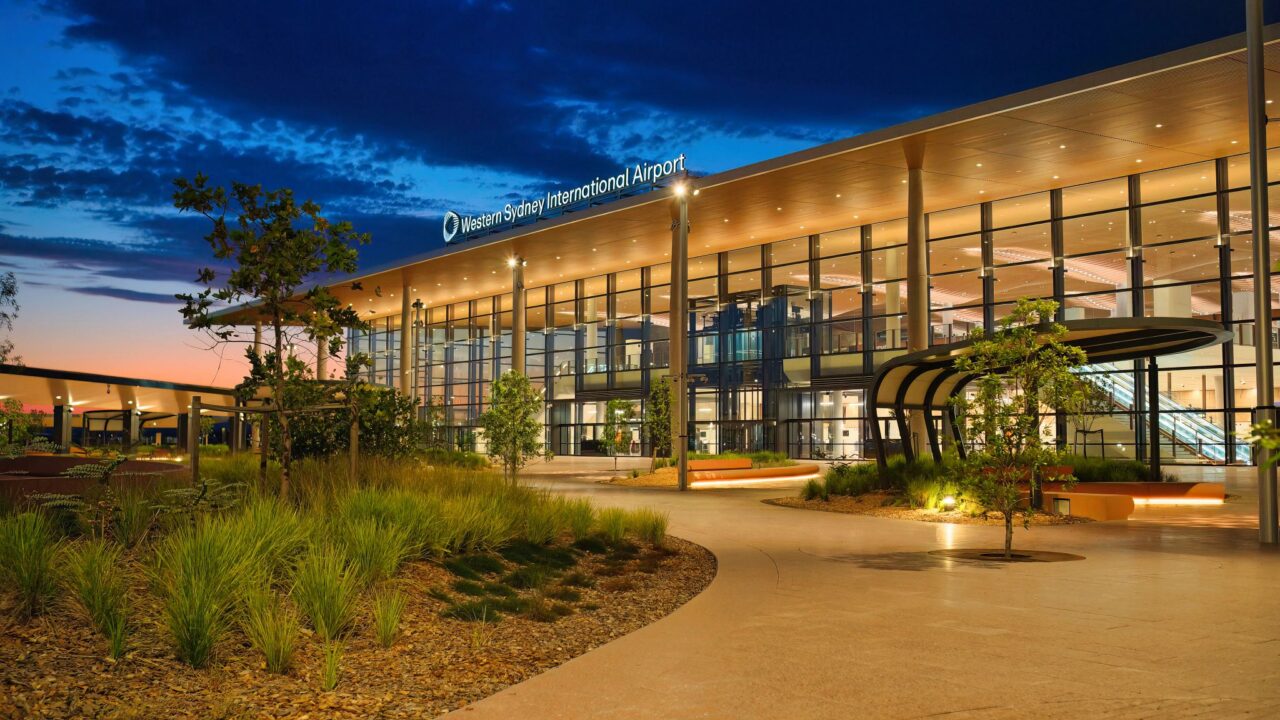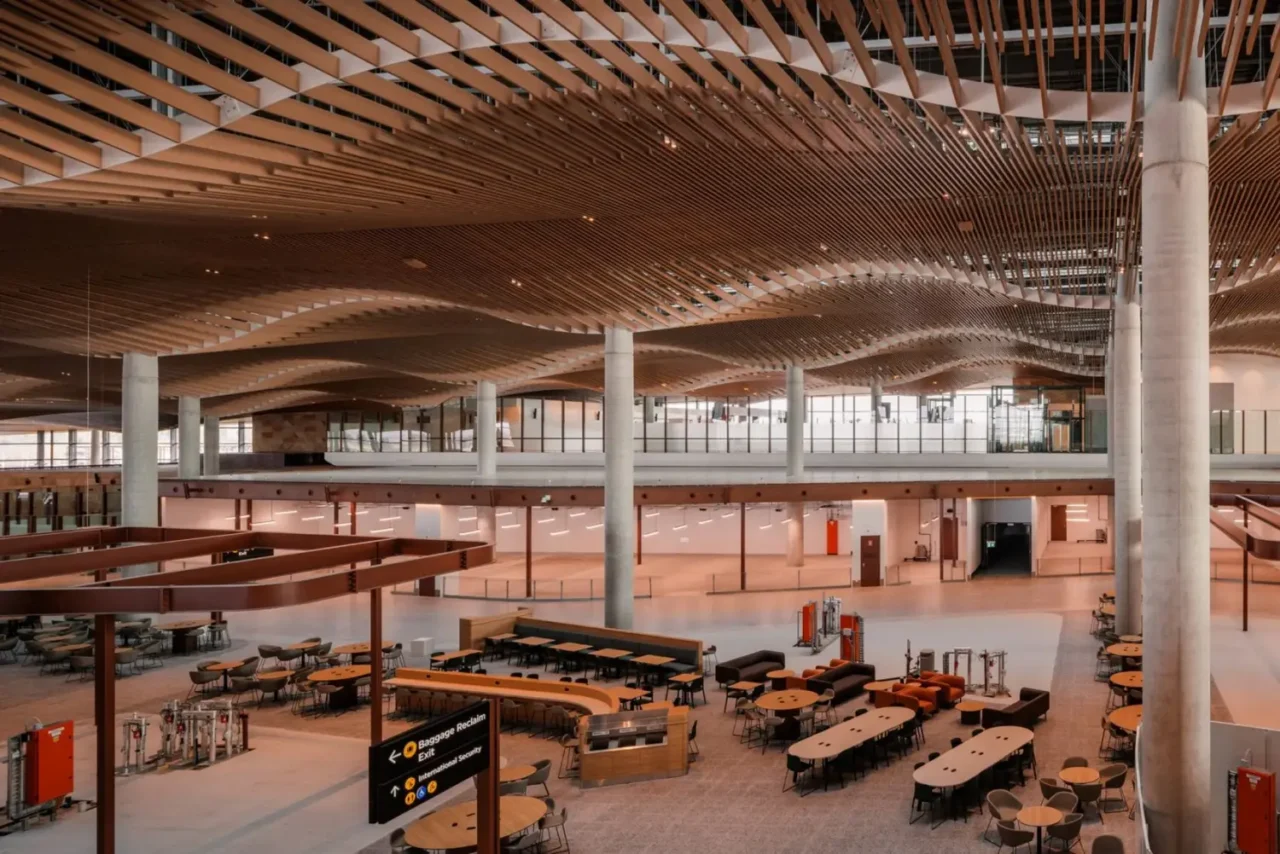
Sydney’s new airport is set to take its first commercial flights in October, marking a major step in the development of a second aviation hub for Australia’s biggest city. The opening will give the city a 24-hour airport for the first time and is expected to ease pressure on the existing Kingsford Smith Airport.
The first flights are due to operate from the new facility in the city’s west, with the launch described as a significant moment for aviation, freight and tourism across the region. The airport is being positioned as a long-term growth engine for western Sydney, where population and business activity have expanded rapidly in recent years.
Plans for the airport have been under way for decades, but the start of passenger services now brings the project into public use. Officials say the airport will eventually support both domestic and international travel, while also handling cargo and helping to create jobs.
The new airport is designed to operate around the clock, unlike Sydney’s current main airport, which faces curfews and slot limits. That difference is expected to make it attractive to airlines looking for more flexibility, particularly for overnight freight and early morning departures.
Local leaders have long argued that a second airport is needed to support Sydney’s growth and improve connectivity for the wider New South Wales region. The western suburbs, where the airport is located, are among the fastest-growing parts of the country, with new housing, roads and transport links built to support the expansion.
The opening also comes as Australia’s aviation sector continues to recover and expand after years of disruption. Airlines have been rebuilding networks and looking for new routes, while airports have been investing in capacity to meet rising demand.
Although October’s first flights will mark the airport’s operational debut, the project is expected to grow in stages over coming years. More routes, more passengers and additional facilities are likely to follow as airlines and transport planners adjust to the new airport’s arrival.
For travellers, the new hub could eventually mean more choice, shorter transfer times for some western Sydney passengers and fewer bottlenecks at the city’s main airport. For the aviation industry, it creates a rare opportunity to add capacity in one of the Asia-Pacific region’s busiest air travel markets.