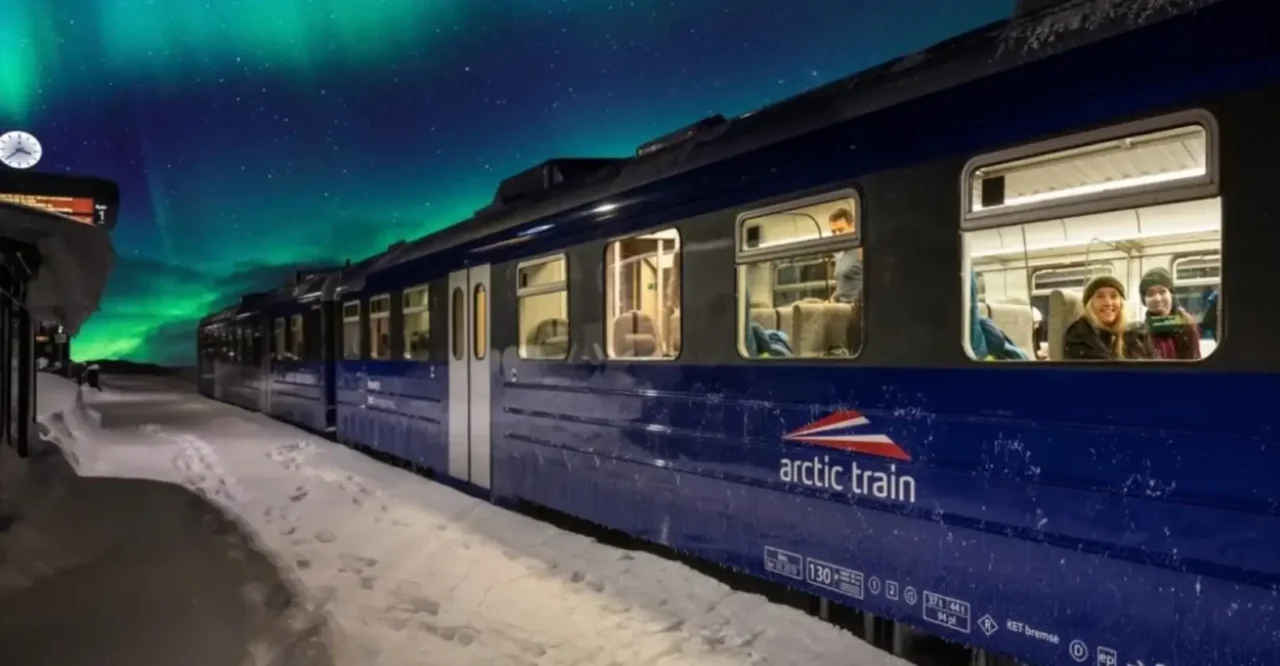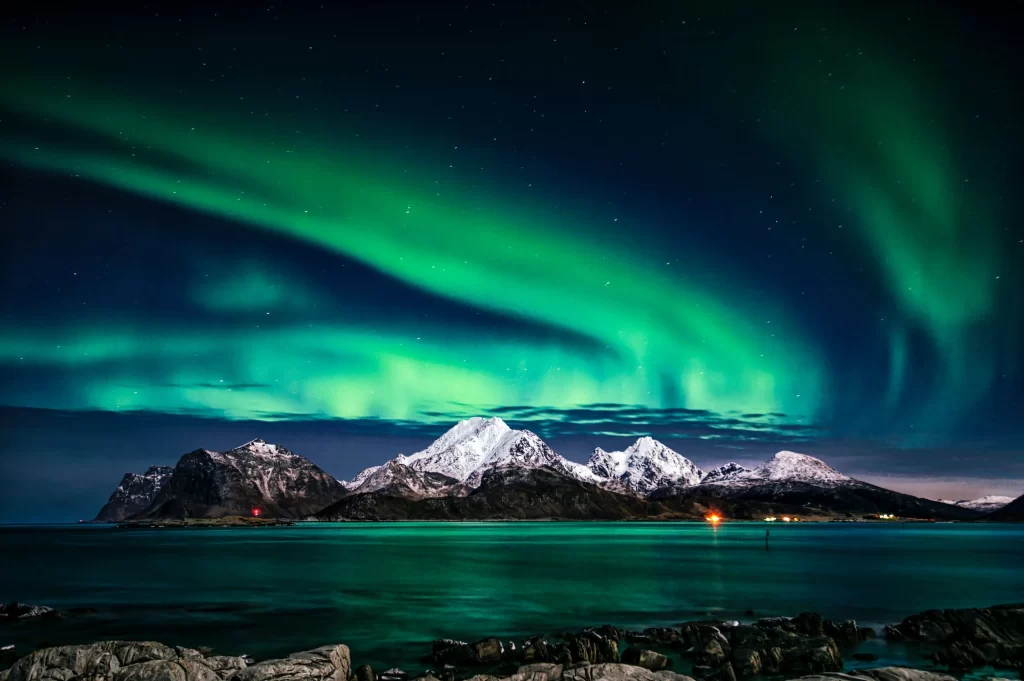
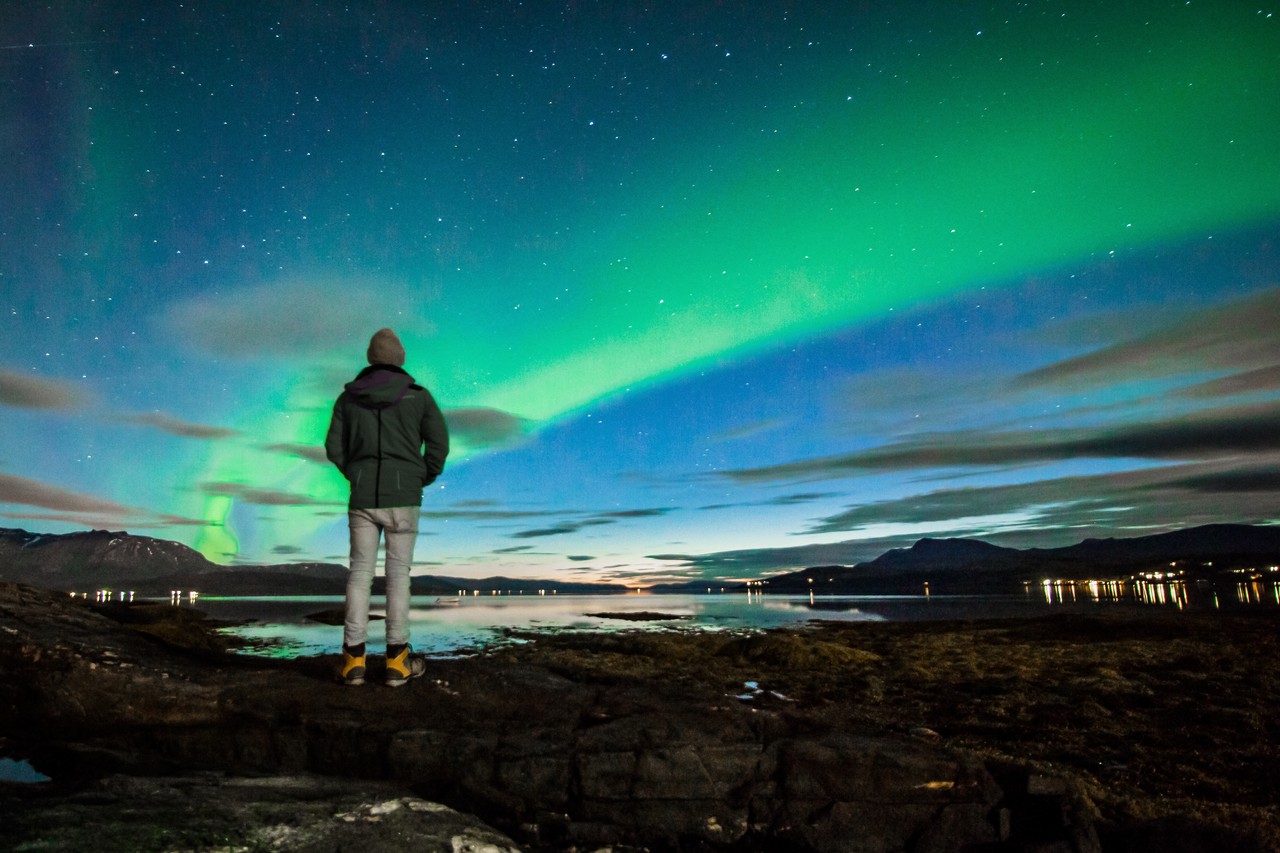
The northern lights could become visible across parts of North America this week as forecasters warn that strong geomagnetic activity may create favorable conditions for aurora displays across northern regions of the United States and Canada.
Space weather specialists say solar activity could intensify between Thursday and Friday, increasing the possibility of aurora visibility further south than usual.
However, experts caution that viewing conditions remain uncertain as both weather forecasts and solar activity can change quickly.
Geomagnetic Storms Could Trigger Aurora Activity
Forecasters at the National Oceanic and Atmospheric Administration have warned that geomagnetic storms could potentially reach G4 intensity levels, creating conditions favorable for stronger aurora displays.
The expected activity is linked to multiple streams of solar wind disturbances that may reach Earth around the same time.
When charged particles interact with Earth’s magnetic field, they can create the colorful light displays commonly known as the northern lights.
Where The Northern Lights Could Be Visible
The strongest viewing opportunities are expected across northern parts of the United States and Canada.
Areas located farther north generally have better chances of seeing aurora activity, although stronger geomagnetic storms can occasionally push visibility farther south.
Actual visibility will depend heavily on cloud cover, local light pollution and how intense solar activity becomes.
Moonlight Could Affect Viewing Conditions
Skywatchers may face additional challenges even if aurora activity increases.
A bright waning gibbous moon will rise after midnight and could significantly brighten the sky during the hours when aurora visibility may be strongest.
Brighter moonlight often makes weaker aurora displays more difficult to see with the naked eye.
Space Weather Forecasts Can Change Quickly
Experts emphasize that forecasting aurora activity remains difficult because solar conditions can evolve rapidly.
While current forecasts suggest elevated activity, actual geomagnetic intensity may strengthen or weaken with relatively short notice.
Travelers and photographers hoping to see the northern lights are being encouraged to monitor updated forecasts throughout the week.
Best Viewing Conditions Remain Simple
For those hoping to catch a glimpse, experts generally recommend moving away from city lights, choosing locations with clear northern horizons and checking conditions during the darkest hours before sunrise.
If forecasts hold, parts of North America could experience another opportunity to witness one of nature’s most spectacular displays.