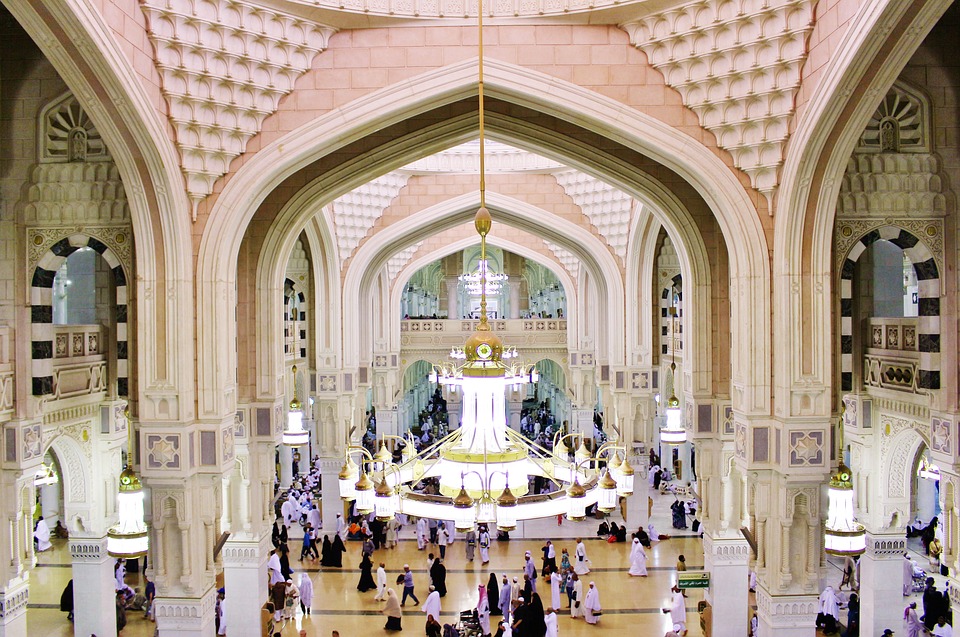
Saudi Arabia is preparing for Hajj 2026 as millions of Muslim pilgrims assemble in Mecca for the annual pilgrimage, with the event reaching its spiritual climax in the coming days. The gathering is the largest annual movement of faith travellers in the Islamic calendar and places heavy pressure on transport, accommodation, crowd control and health services.
For travellers and the wider travel industry, Hajj is one of the most operationally complex events in the world. Airlines, airports, hotels, buses and local authorities must manage a tightly timed influx of visitors into western Saudi Arabia, with movement concentrated around Mecca, Mina, Arafat and Muzdalifah. Any disruption can quickly affect schedules, capacity and safety for pilgrims.
The pilgrimage follows a set sequence of rituals, with the most important rites typically taking place over several days near the Day of Arafat and Eid al-Adha. Saudi authorities usually deploy extensive logistics and security operations to move pilgrims between holy sites, while limiting overcrowding and coordinating health measures. The exact number of pilgrims and the detailed transport arrangements for this year have not been specified in the source material.
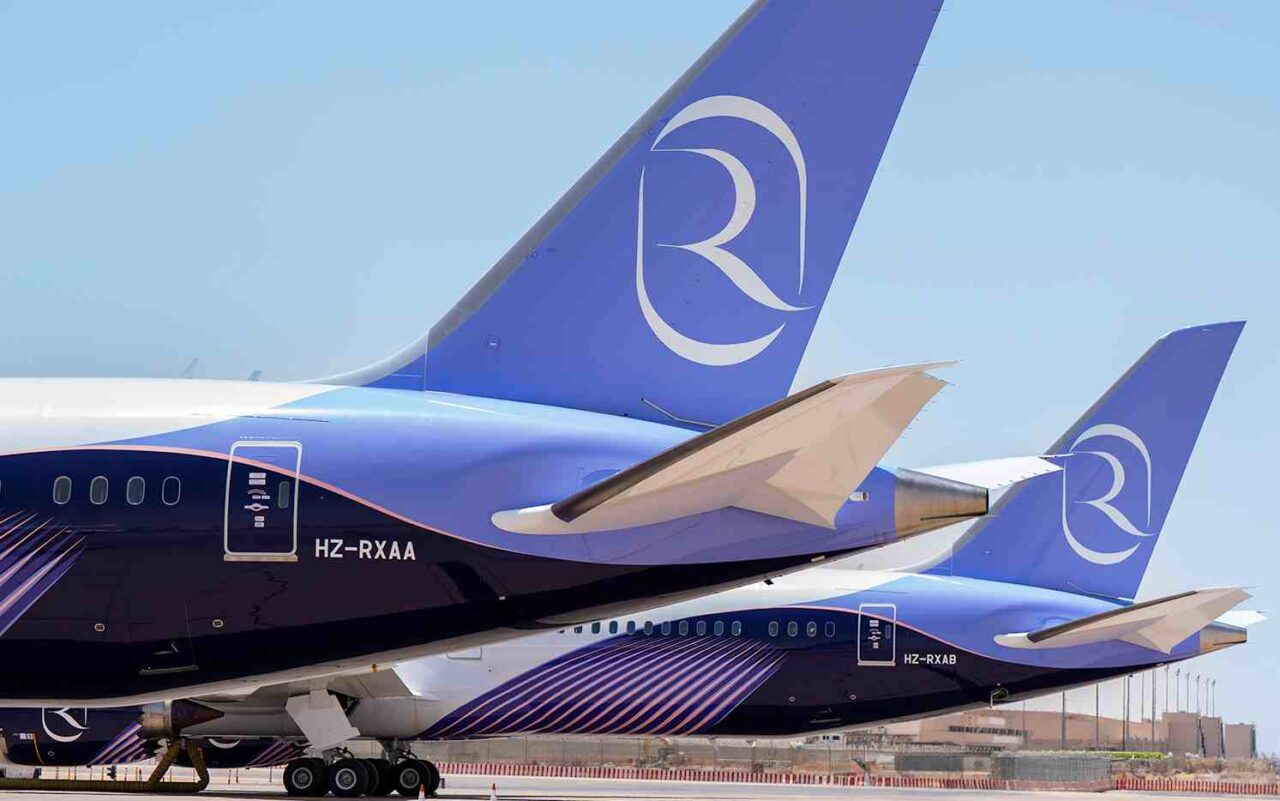
Hajj remains a major driver of seasonal demand for flights and accommodation across Saudi Arabia, particularly in Jeddah and Medina, which serve as the main gateways for international arrivals. The pilgrimage also has knock-on effects across the regional aviation network as carriers add capacity, adjust schedules and manage irregular operations linked to the peak travel period.
Access to the pilgrimage is tightly controlled through visas and quotas set by Saudi authorities, with arrangements differing by country and pilgrim category. That makes Hajj travel distinct from ordinary leisure tourism, and it requires advance planning well beyond the travel dates themselves. Pilgrims often book months ahead, while operators coordinate ground transport and lodging around fixed religious timings.
Saudi Arabia has invested heavily in expanding infrastructure for the annual event in recent years, including transport links, crowd-management systems and site services. Those measures are designed to handle one of the world’s most concentrated travel flows, where millions of people move within a narrow geographic area over a short period of time.