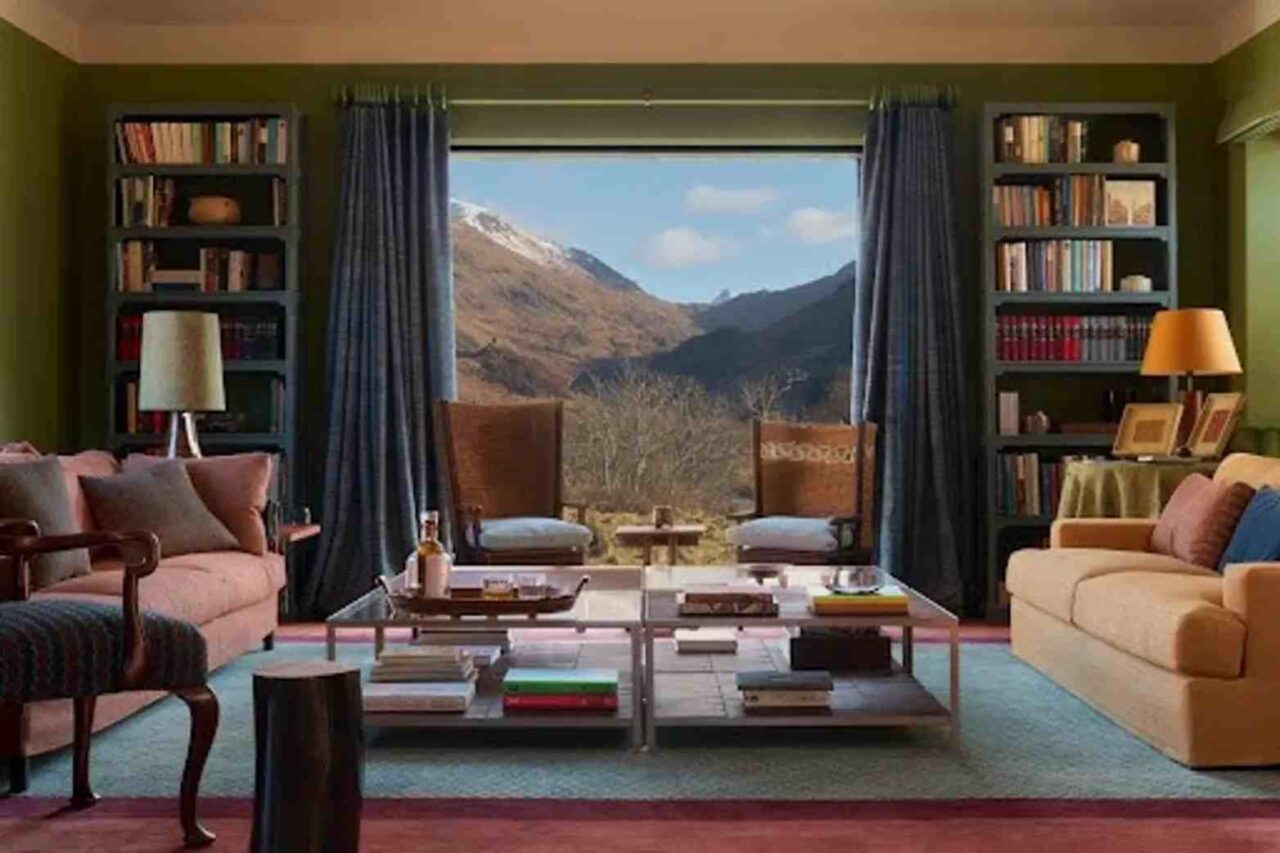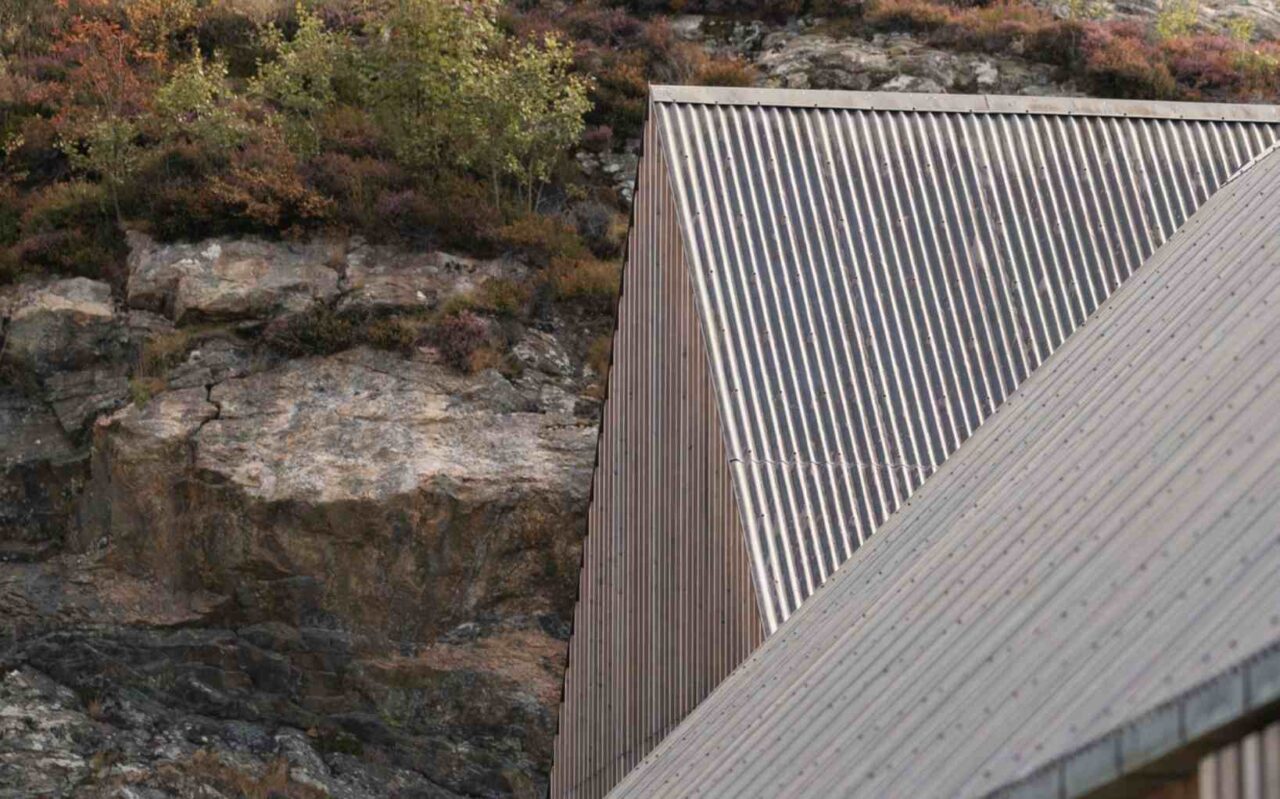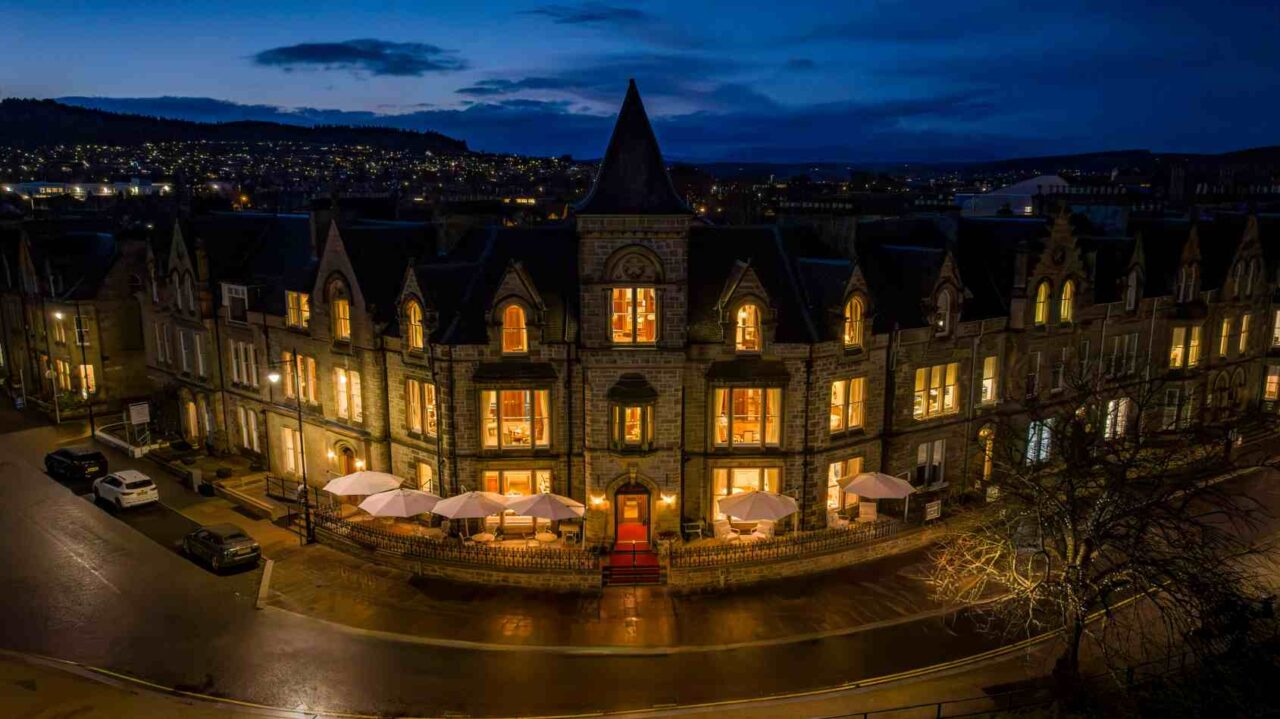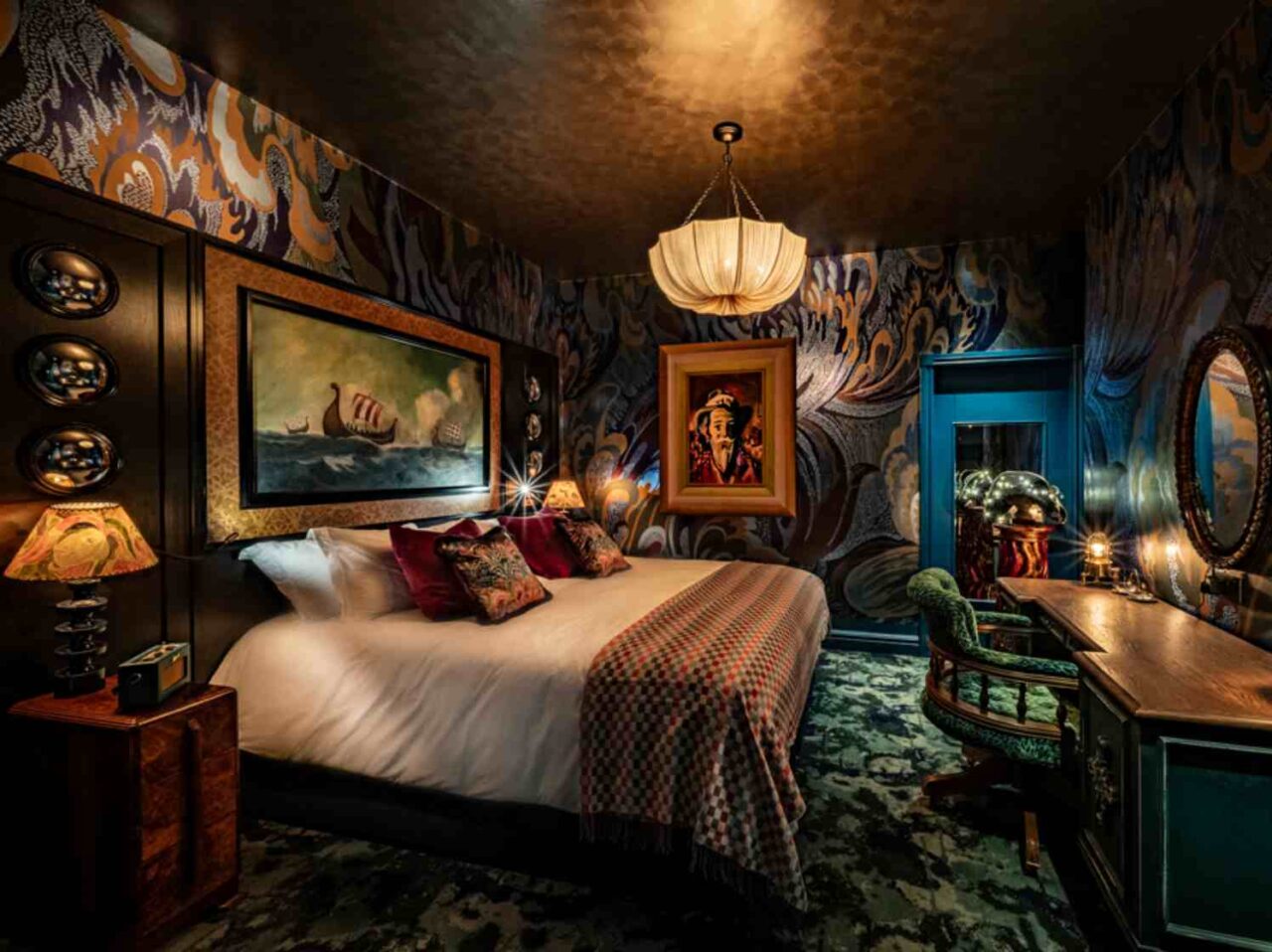
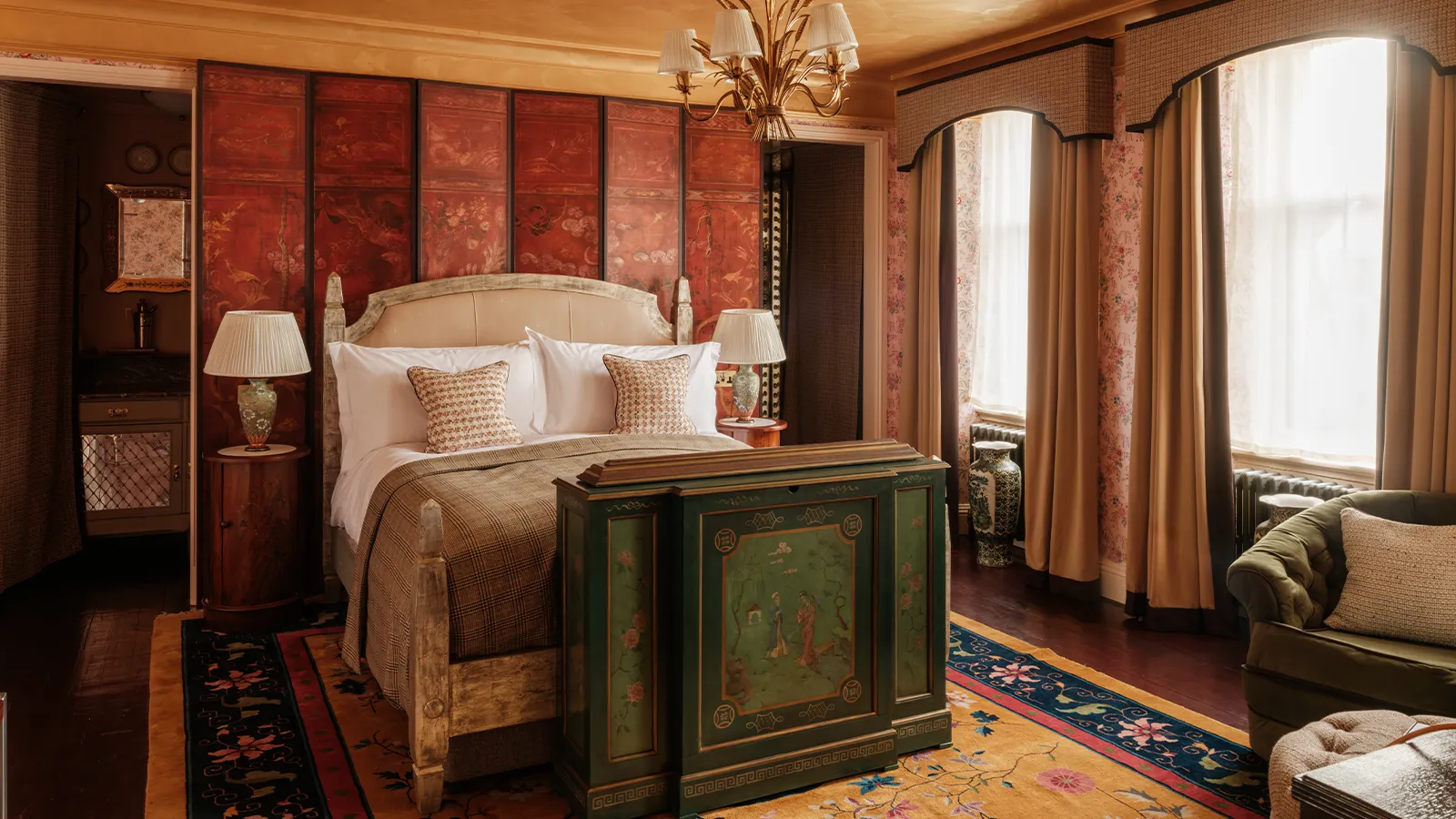
The historic Scottish property, owned by Artfarm — the hospitality company founded by the creators of Hauser & Wirth — has transformed a former family room into a concealed luxury suite inspired by Chanel’s personal tastes, Scottish influences and romantic ties to the region.
Coco Chanel’s Deep Connection To Scotland
Coco Chanel first travelled to Scotland during the 1920s while in a relationship with Hugh Grosvenor, the 2nd Duke of Westminster.
Over the following decade, she regularly returned to the Highlands, developing a lasting fascination with Scottish landscapes, traditions and textiles.
Her experiences in Scotland heavily influenced her famous tweed collections, beginning a relationship with Scottish fabric makers that continues within the Chanel fashion house today.
Hidden Room Inspired By Chanel’s Personal Style
The newly revealed “Secret Room” was designed by Russell Sage Studio, which approached the project by focusing on Chanel’s lesser-known personal interiors rather than the brand’s iconic black-and-white visual identity.
The suite is hidden behind a trompe-l’œil concealed door inspired by details from Chanel’s Paris apartment at 31 Rue Cambon.
Guests discover the hidden entrance by following a camellia motif, one of Chanel’s most recognisable floral symbols.
Scottish Tweed And Art Deco Influences
Inside, the room features layered green and burgundy tweeds inspired by the textures of the Scottish Highlands.
The interiors include references to Chanel’s Paris residence through details such as a wheat sheaf chandelier, art deco vanity mirror and decorative finishes.
The suite also includes a walk-in wardrobe, private bar area and freestanding copper bath positioned within a secluded alcove.
Historic Scottish References Integrated Into Design
The design additionally references Rosehall House, a Scottish manor near Lairg that Chanel decorated during her relationship with the Duke of Westminster.
Russell Sage Studio incorporated reproductions of wallpaper from Rosehall House into the room while using Scottish interpretations of Chinoiserie for the headboard and furniture.
The Fife Arms Continues Expanding Cultural Identity
The Fife Arms has become internationally known for combining Scottish heritage with contemporary art, design and storytelling.
Originally established in 1856, the hotel sits in Braemar near Balmoral Castle, the royal estate purchased by Queen Victoria that helped transform the village into a prominent Highland destination.
The property’s interiors are known for their extensive use of tartan, antiques, fine art and Scottish craftsmanship.
Luxury Hospitality Increasingly Embraces Narrative Design
The Coco Chanel-inspired room reflects a wider trend across luxury hospitality as hotels increasingly create immersive, story-driven suites and culturally themed experiences.
Design-led boutique hotels continue using fashion history, art and local heritage to differentiate luxury accommodation offerings and attract experience-focused travellers.
Image credit: Dave Watts