
For nine straight days, seismic sensors around the world detected the same strange signal pulsing beneath the Earth’s surface.
Every 92 seconds, the rhythm returned with near-perfect consistency. From Alaska to Australia, instruments recorded the vibrations traveling through bedrock, baffling scientists searching for the source.
The signal did not resemble a conventional earthquake. Typical seismic events release energy in chaotic bursts tied to shifting fault lines. This pulse behaved differently — slow, repetitive and remarkably stable.
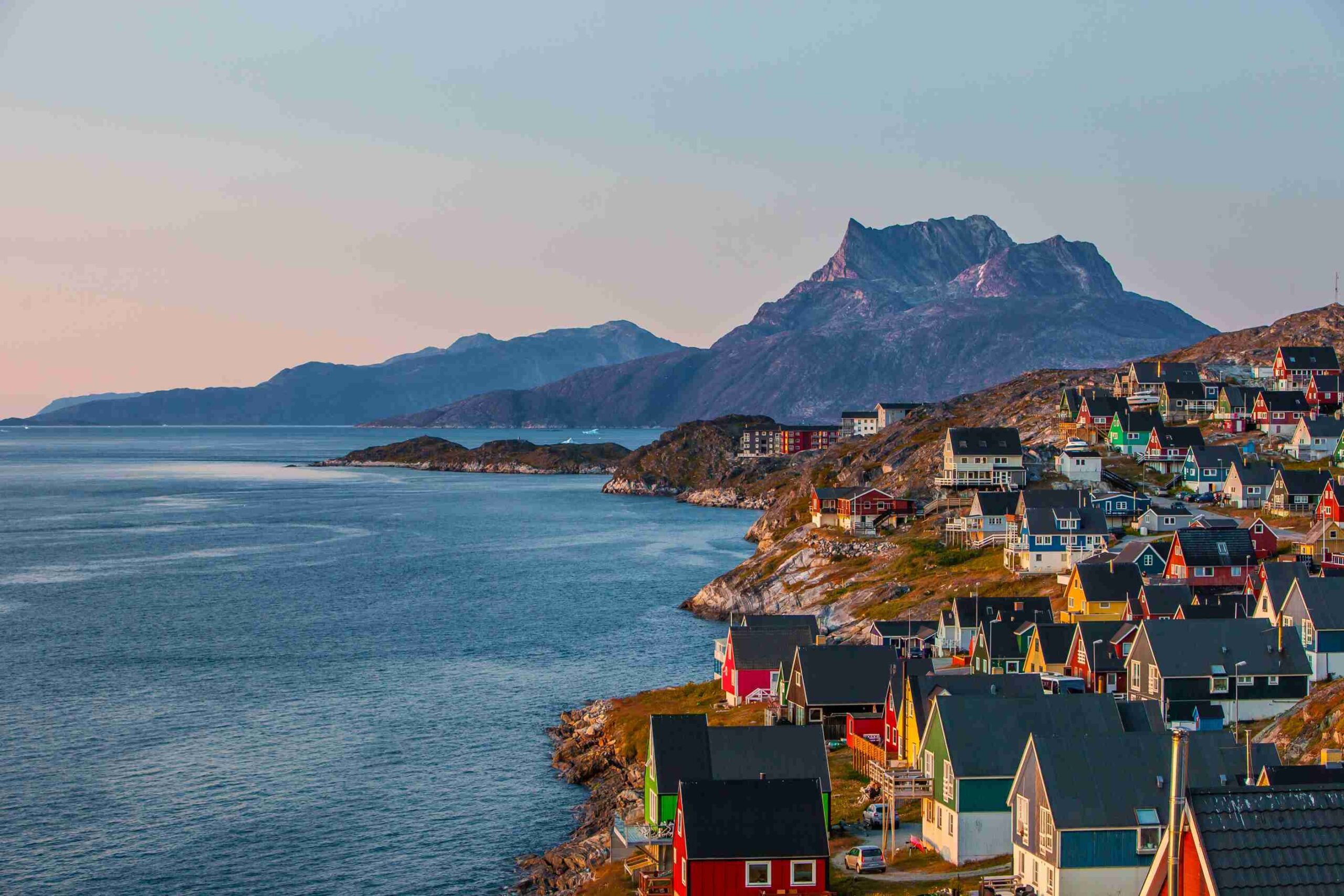
Researchers eventually traced the phenomenon to Dickson Fjord on Greenland’s remote eastern coast, where towering cliffs rise nearly 3,000 feet above icy waters.
A Mountain Collapse Triggered The Event
Fresh satellite imagery revealed a dramatic new scar etched into the mountainside, showing where an enormous section of rock and ice had collapsed into the fjord.
On 16 September 2023, more than 25 million cubic yards of debris plunged into the narrow waterway. Scientists estimate the volume was large enough to fill roughly 10,000 Olympic-size swimming pools.
The impact unleashed a mega-tsunami wave that surged approximately 650 feet high through the confined fjord system.
The massive wall of water thundered down the two-mile channel before rebounding off the surrounding cliffs and headlands. The returning surge caused heavy damage at a research station on Ella Island, destroying an estimated $200,000 worth of equipment, though no people were present at the time.
The Fjord Continued Rocking For Days
Instead of settling after the initial impact, the water inside Dickson Fjord began oscillating back and forth in a phenomenon known as a seiche.
Much like water sloshing repeatedly inside a bathtub, the fjord’s confined geography trapped the energy and kept the motion going for days.
Computer models later showed the surface rising by as much as 30 feet before sinking by the same amount in a continuous rhythm. Each movement pushed against the seafloor like a giant piston, generating the repeating seismic signal recorded around the globe.
The steady pulse every 92 seconds became one of the most unusual geophysical signatures ever documented, offering scientists a rare glimpse into how climate-driven landscape collapse can trigger planet-scale effects.
Climate Change Raises New Concerns
Researchers believe warming Arctic temperatures likely contributed to the instability that caused the mountain collapse.
As glaciers retreat and permafrost weakens, steep rock faces in polar regions are increasingly vulnerable to catastrophic failure. Scientists warn similar events could become more common as climate change reshapes fragile Arctic landscapes.
The Greenland mega-tsunami has since become a major case study for geologists and climate researchers investigating how rapidly changing environments can generate unexpected global consequences far beyond the Arctic itself.