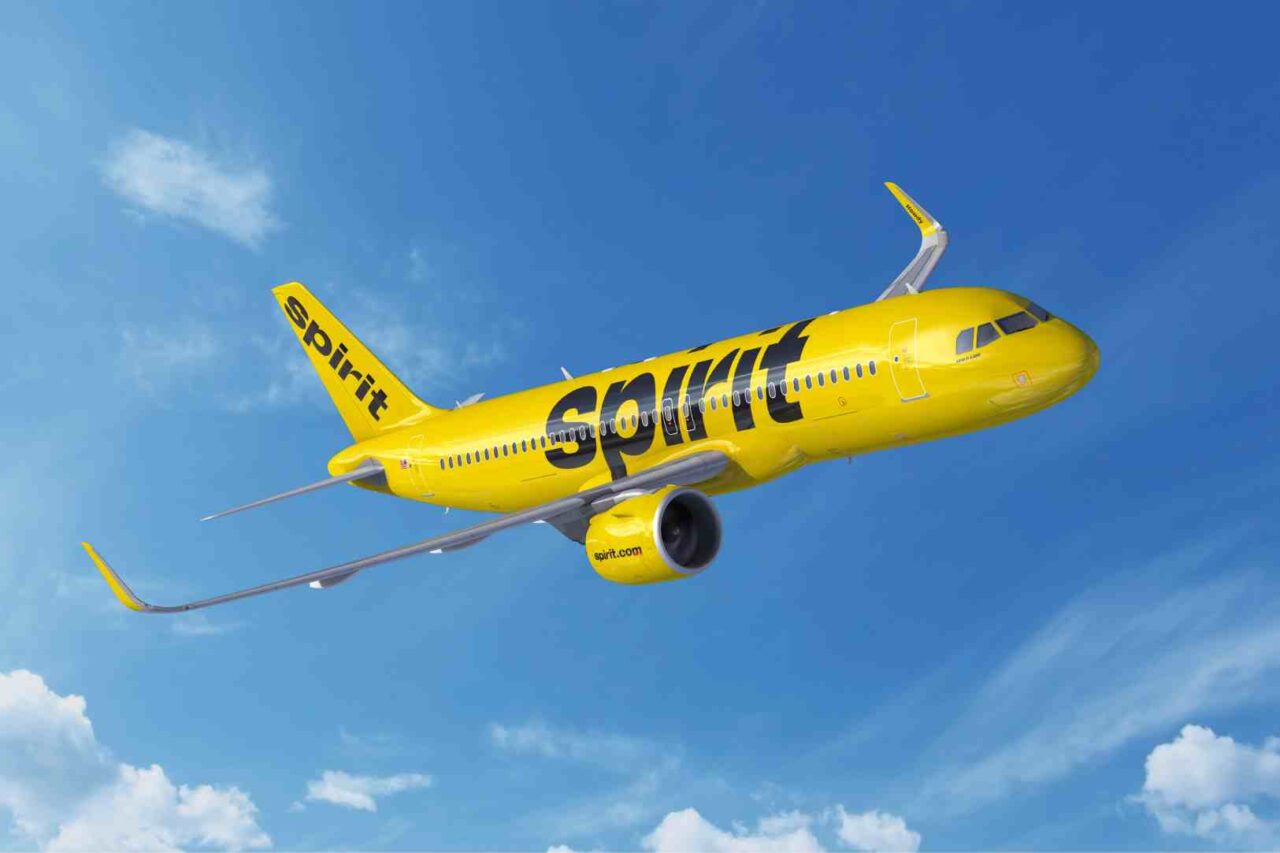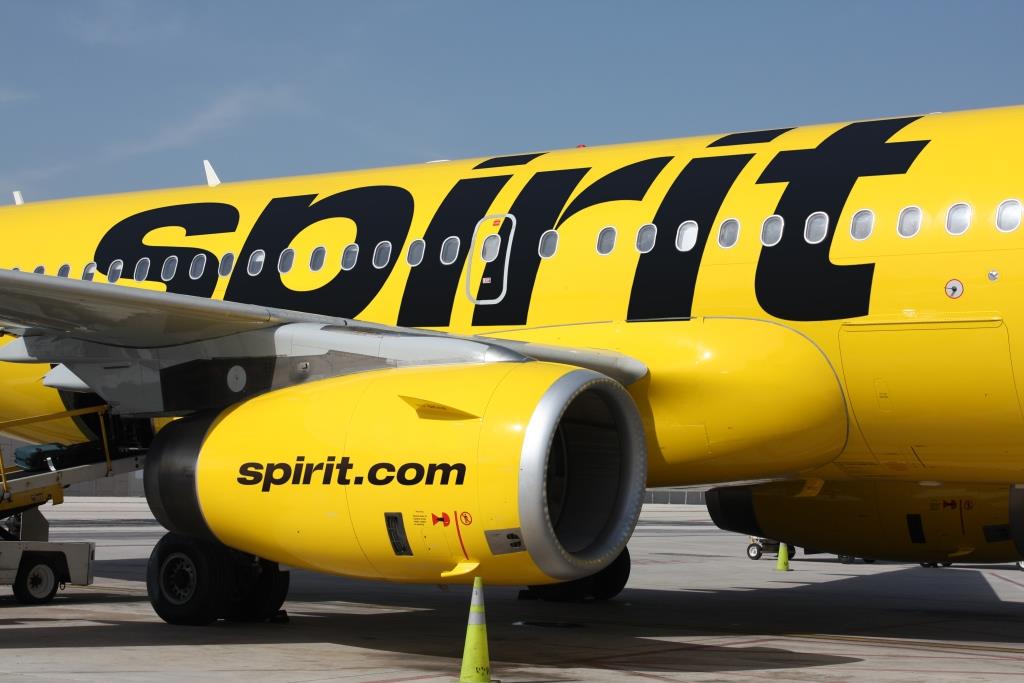
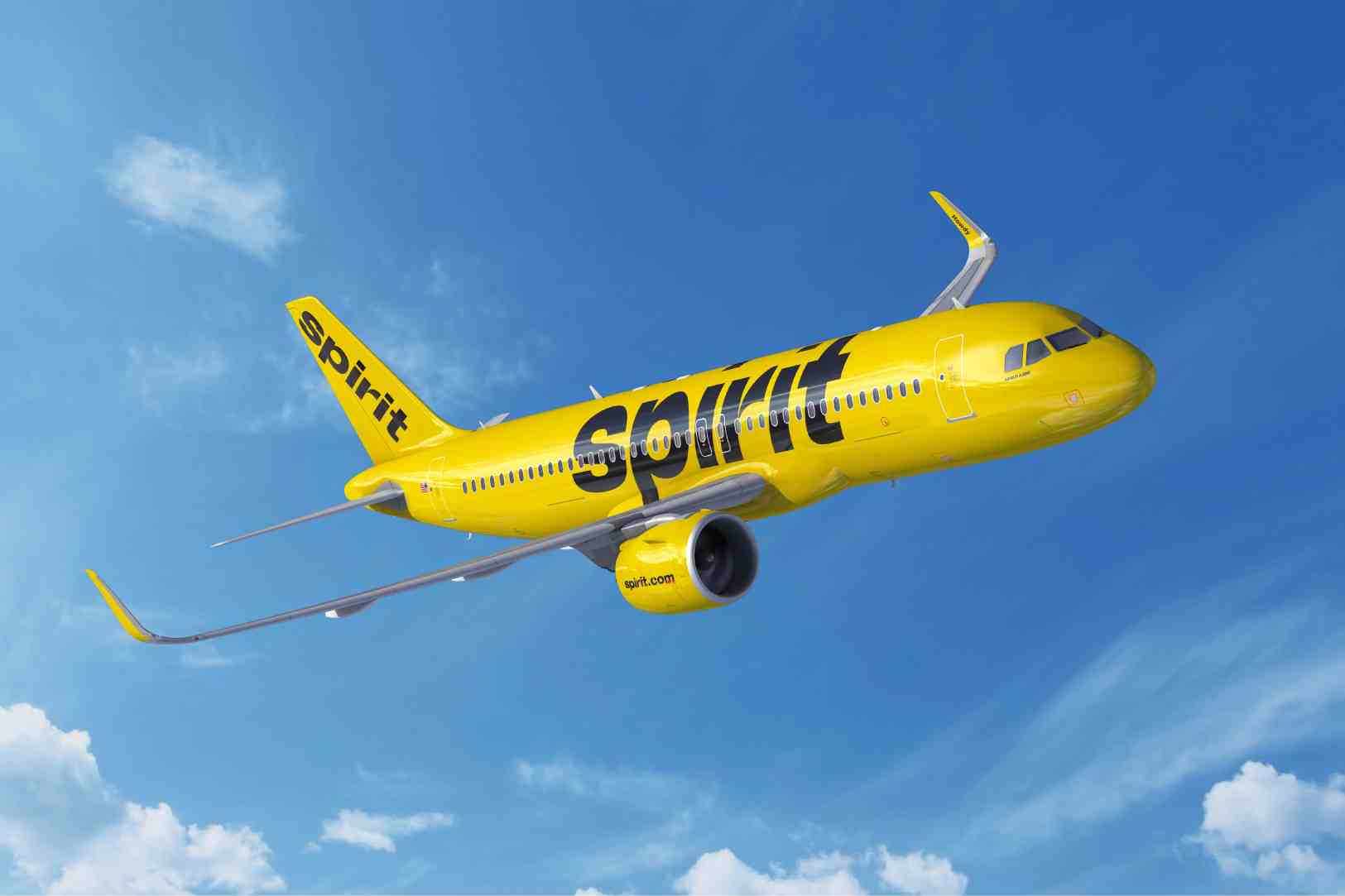
Spirit Airlines has ceased operations after failing to secure government backing, marking a dramatic collapse for one of the most prominent ultra low-cost carriers in the American aviation market.
The airline, which had declared bankruptcy twice within the past 14 months, was seeking a $500 million rescue package from the U.S. government, along with support tied to a broader $2.5 billion fuel guarantee request from a coalition of low-cost airlines. Despite initial signals of support from Donald Trump and efforts by Transportation Secretary Sean Duffy to identify a potential merger partner, negotiations ultimately failed.
Spirit had continued operating a reduced network in recent months, flying a fleet of roughly 100 aircraft while placing a significant number of planes into storage over the past year in an attempt to manage costs.
The shutdown follows years of instability marked by failed merger attempts and mounting financial pressure. In 2022, Spirit initially agreed to merge with Frontier Airlines, but terminated the agreement after a competing bid from JetBlue Airways. That deal also unraveled when a federal judge blocked the merger on antitrust grounds in January 2024, forcing JetBlue to abandon the acquisition.
Without a consolidation lifeline, Spirit’s financial position deteriorated rapidly. The airline first filed for Chapter 11 bankruptcy protection in November 2024 and emerged from restructuring in March 2025. However, persistent losses and rising operating costs – particularly fuel – forced a second Chapter 11 filing on August 29, 2025.
In recent weeks, the situation worsened as fuel prices surged, intensifying pressure on the airline’s already fragile balance sheet. Spirit sought federal assistance to stabilize operations, but the proposed rescue structure proved unworkable. Analysts noted that the airline’s assets – including aircraft, slots and routes – were potentially more valuable if sold separately than as part of a continuing operation.
The collapse of Spirit Airlines represents a significant shift in the U.S. aviation landscape, removing a key player in the ultra low-cost segment that had long driven down fares on domestic routes.
Industry observers say the shutdown could lead to higher ticket prices in certain markets and renewed consolidation pressure among remaining carriers, as regulators and airlines reassess the balance between competition and financial sustainability in the post-pandemic travel era.