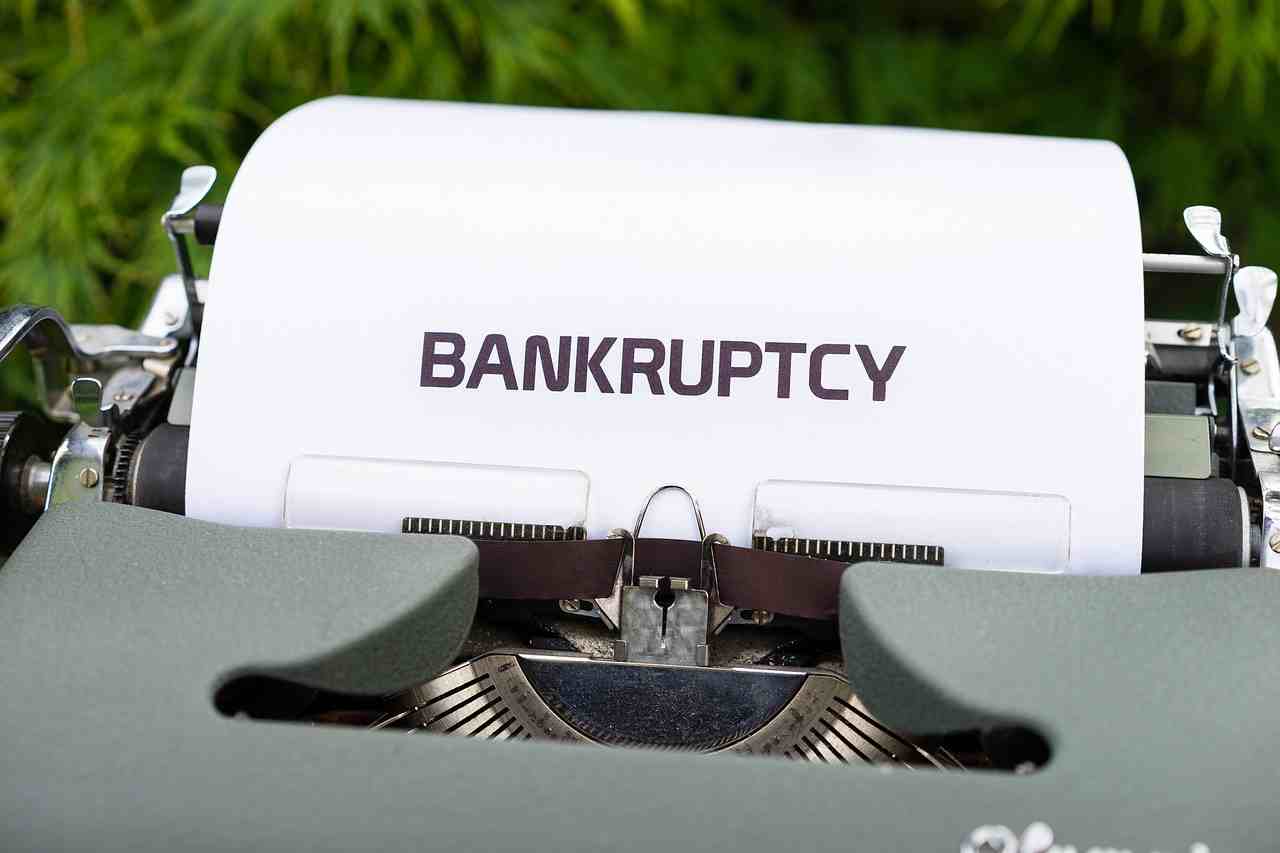
EcoJet Airlines, the Edinburgh-based startup that aimed to become the world’s first electric airline, has formally entered liquidation after failing to secure critical funding for its operations.
According to a notice published in the Gazette government records on May 1, Paul Dounis and Mark Harper from Opus Restructuring have been appointed joint liquidators for the company.
EcoJet Planned Hydrogen-Electric Aviation Network
EcoJet was founded in 2023 by green energy entrepreneur Dale Vince, founder of Ecotricity and owner of football club Forest Green Rovers.
The airline planned to reduce aviation emissions by converting existing aircraft to hydrogen-electric propulsion systems rather than developing entirely new aircraft.
The company claimed its approach could eventually reduce carbon emissions by approximately 90,000 tonnes annually.
EcoJet initially intended to launch domestic routes between Edinburgh and Southampton before expanding services across mainland Europe.
Funding Shortfall Led To Collapse
Despite ambitious environmental goals, the airline was unable to secure £20 million in required investment funding.
The company’s financial difficulties escalated earlier this year when provisional liquidators were first appointed in February.
At that stage, EcoJet canceled all planned bookings and scrapped scheduled flights as operations were suspended.
The formal liquidation now confirms the collapse of the startup’s plans to enter the commercial aviation market.
Dale Vince Known For Environmental Activism
Founder Dale Vince is one of the United Kingdom’s most prominent renewable energy entrepreneurs and a major supporter of Labour Party environmental policies.
Through Ecotricity, Vince has donated more than £5.5 million to Labour since 2020.
He has also attracted public attention for supporting climate protest group Just Stop Oil and advocating tighter controls on large political donations.
Electric Aviation Sector Faces Major Challenges
EcoJet’s collapse highlights the ongoing financial and technological challenges facing emerging sustainable aviation startups.
While airlines and manufacturers continue investing in lower-emission technologies, including hydrogen and electric propulsion systems, many projects remain dependent on substantial external funding and long-term infrastructure development.
The liquidation marks another setback for the commercial rollout of alternative propulsion technologies within the aviation sector.