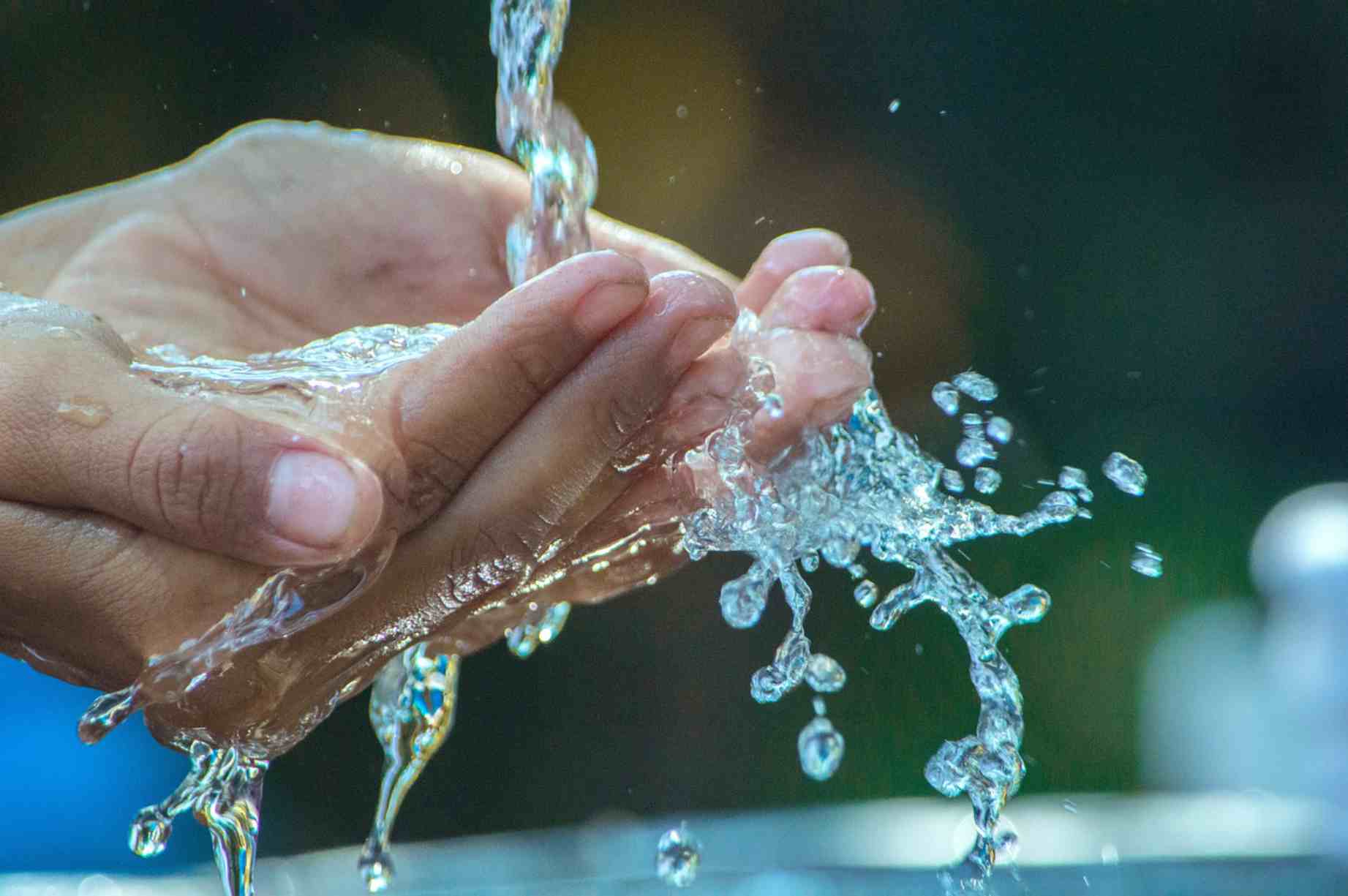
Barcelona has been named the best city in Europe for free drinking water fountains, as travellers and residents prepare for another summer of high temperatures and heatwaves.
The Catalan capital topped a new ranking that assessed how easy it is to find free public drinking water, a basic amenity that can make a major difference during hot weather. The result comes as many European destinations brace for rising heat, with visitors increasingly looking for ways to stay hydrated on the move.
The recognition highlights Barcelona’s extensive network of public fountains, which are widely used across the city by locals, tourists and day-trippers. It also underlines how infrastructure that once seemed simple is becoming more important as summers grow hotter across the continent.
For travellers, access to free water can reduce the need to buy bottled drinks repeatedly during long sightseeing days. It can also help families, older visitors and outdoor workers manage heat more safely, particularly in busy urban areas where temperatures can climb quickly in the afternoon.
Barcelona has long promoted itself as a visitor-friendly city, with a dense public transport network, walkable neighbourhoods and major cultural attractions. The fountain ranking adds another practical reason for travellers to see it as a summer destination, especially for those planning to spend long periods outdoors.
The finding is likely to be welcomed by tourism businesses as well. Cities that make it easier for visitors to access free drinking water may improve the overall experience of walking tours, beach visits and sightseeing routes, while also supporting more sustainable travel habits by reducing reliance on single-use plastic bottles.
Heatwaves are already a major concern for destinations across Europe, where record temperatures have become more frequent in recent years. In that context, the availability of free fountains is no longer just a convenience but part of wider efforts to make cities safer and more liveable during extreme weather.
The ranking also places pressure on other popular tourist cities to improve access to public water. In many places, finding a fountain can still be difficult, forcing visitors to rely on shops, cafes or bottled drinks, even during periods of intense heat.
Barcelona’s result may encourage other destinations to review their own infrastructure ahead of the peak summer season. As travel patterns shift and climate risks grow, small public amenities such as fountains are becoming a more visible part of the tourism conversation.