Japan Airlines is set to begin testing humanoid robots for ground operations starting in May, marking a significant step toward automation as the country faces mounting labour shortages and record tourism demand.
The trial, conducted at Haneda Airport, will explore how robots can support physically demanding tasks such as moving baggage and cargo across the runway.
Robots Enter Airport Operations
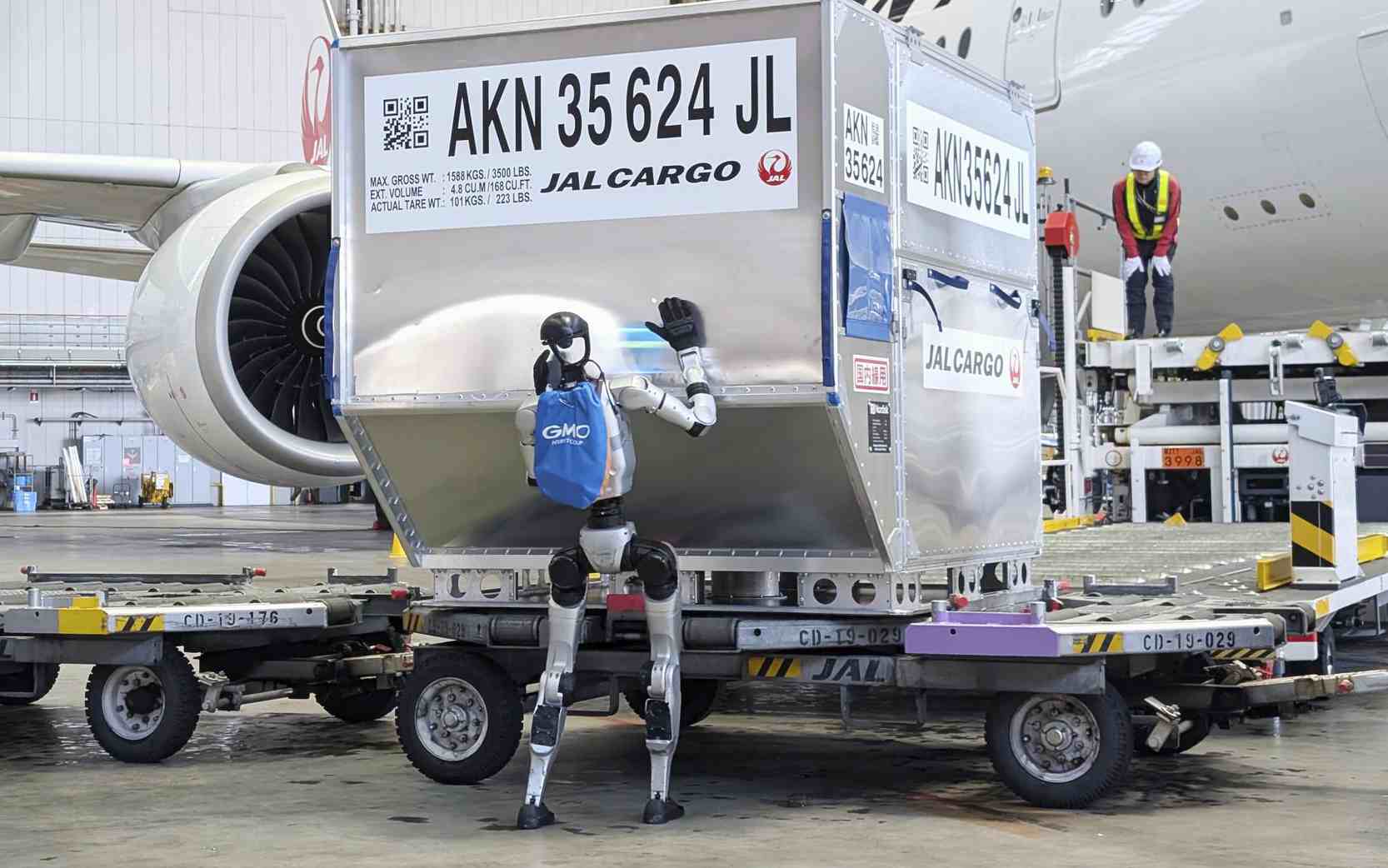
The humanoid machines, developed by Unitree Robotics, stand approximately 130 centimetres tall and are designed to assist with repetitive and labour-intensive work. During demonstrations, the robots were seen carefully pushing cargo onto conveyor belts beside parked aircraft and interacting with human staff.
The initiative is being carried out in partnership with GMO Internet Group, with testing expected to continue through 2028.
Addressing Workforce Pressures
According to JAL Ground Service president Yoshiteru Suzuki, the introduction of robots is aimed at reducing the physical burden on employees while improving operational efficiency.
While robots may take on routine and physically demanding duties, critical responsibilities such as safety and oversight will remain in human hands.
Each unit can operate continuously for two to three hours and could eventually be deployed for tasks such as aircraft cabin cleaning and other repetitive ground services.
Tourism Growth Meets Demographic Challenge
The move comes as Japan faces a dual challenge: a surge in inbound tourism and a rapidly ageing population. According to the Japan National Tourism Organization, more than 7 million visitors arrived in the country in the first two months of 2026, following a record 42.7 million in 2025.
At the same time, the domestic workforce is shrinking, increasing pressure on industries such as aviation and hospitality.
Estimates suggest Japan may need more than 6.5 million foreign workers by 2040 to sustain economic growth, highlighting the urgency of automation and alternative workforce solutions.
A Glimpse Of Future Airport Operations
For Japan Airlines, the trial represents more than a technological experiment – it is part of a broader strategy to adapt to structural labour shortages while maintaining service levels in a high-demand travel market.
If successful, humanoid robots could become a permanent feature of airport operations, supporting staff and reshaping how ground services are delivered in the years ahead.
Photo source: kyodonews.net