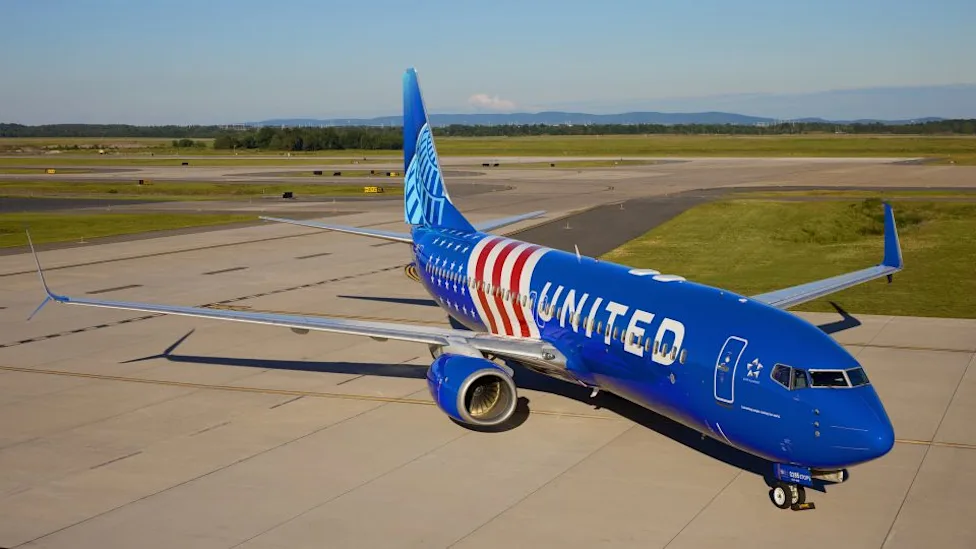
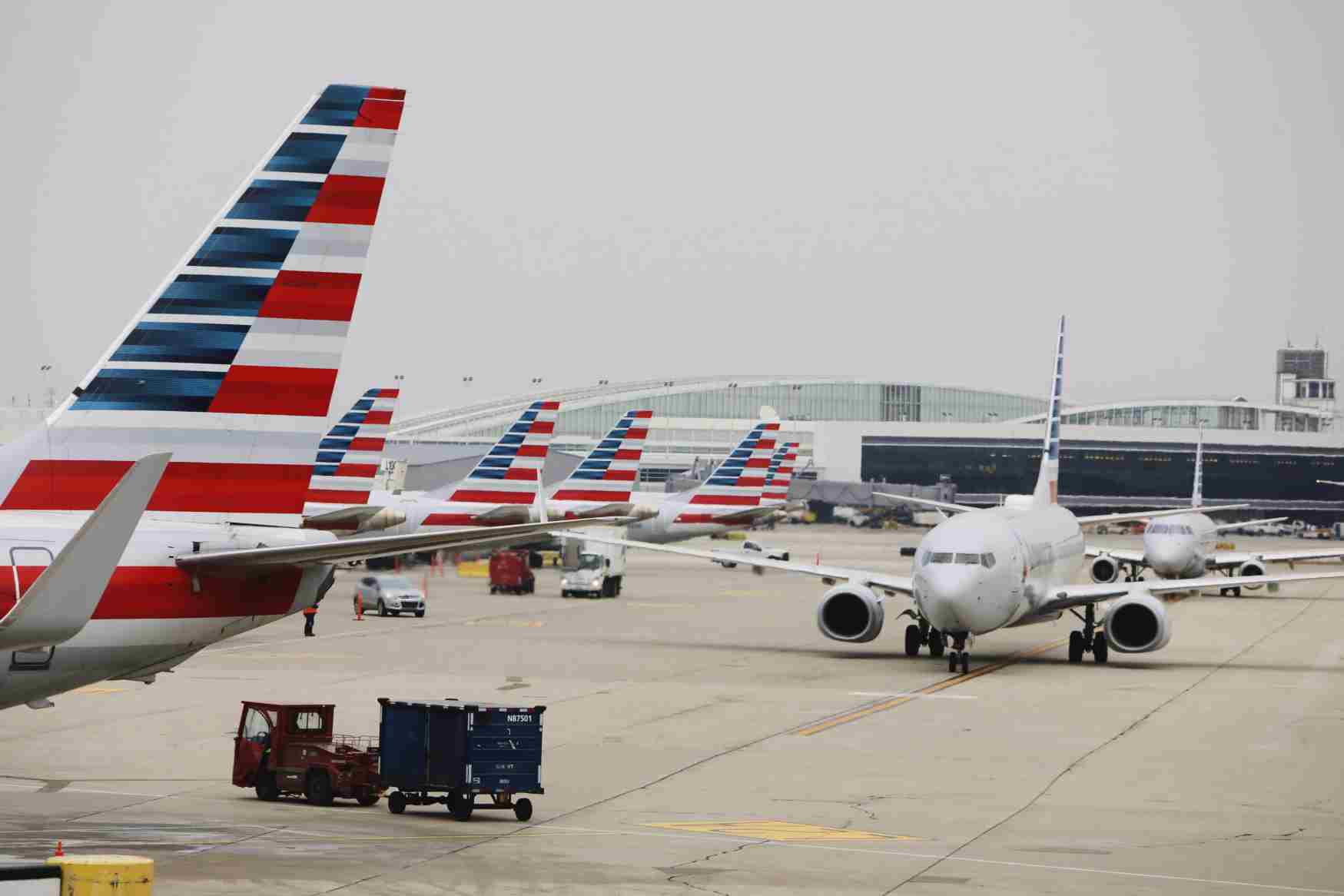
United Airlines CEO Scott Kirby has publicly confirmed that he approached American Airlines to explore a potential merger, only for the idea to be rejected outright.
The statement follows mounting speculation that Kirby had discussed the concept earlier this month during a meeting with Donald Trump. If successful, a combination of the two carriers – already among the world’s largest by capacity – would have created a dominant force in global aviation, likely triggering intense regulatory scrutiny.
A Proposal Focused On Growth, Not Cuts
In a detailed statement, Kirby emphasized that his vision for a merger diverged from traditional airline consolidations, which have historically focused on cost-cutting and operational reductions. Instead, he described the proposal as a growth-driven strategy aimed at improving customer experience, expanding networks, and strengthening the global competitiveness of U.S. aviation.
“I approached American about exploring a combination because I thought we could do something incredible for customers together,” Kirby said, adding that the concept depended on a “willing partner” aligned with a long-term vision.
American Airlines, however, declined to engage and “publicly closed the door,” effectively ending discussions before they could progress further.
Ambitious Plans For A Combined Airline
Kirby outlined a series of potential benefits that a merger could have delivered, positioning the idea as transformative for both passengers and the broader U.S. economy.
Among the key proposals:
- Expanding global and domestic networks, including increased service to smaller communities
- Enhancing customer experience through improved technology, loyalty programs, and onboard products
- Increasing the availability of economy seats to maintain affordability while adding value
- Strengthening the competitive position of U.S. airlines against foreign carriers
He argued that scale would have enabled both airlines to accelerate innovation and deliver a more consistent premium experience across all cabins.
Economic Impact And Industry Implications
Beyond customer benefits, Kirby framed the merger as a potential economic catalyst. He suggested it could have created tens of thousands of high-paying jobs, supported U.S. aircraft manufacturing, and generated billions in additional economic activity through tourism and business travel.
The CEO also acknowledged that such a deal would have faced regulatory hurdles, including required divestitures in certain markets. However, he maintained that a growth-focused proposal could have been viewed differently by regulators compared to past mergers centered on consolidation.
A Closed Door – For Now
Despite the rejection, Kirby indicated that United’s broader strategy remains unchanged. He pointed to ongoing investments in fleet modernization, onboard technology, and customer experience as evidence that the airline is already pursuing its vision independently.
While the prospect of a United-American merger now appears off the table, the discussion highlights the increasing pressure on major carriers to scale, innovate, and compete globally in a rapidly evolving aviation landscape.
For now, the industry’s two giants will continue on separate paths – but the idea of consolidation at the very top of the market has firmly entered the conversation.