Poland’s airports handled about 30 million passengers in the first half of 2025, underlining continued demand for air travel as security systems and passenger processing technology remain central to airport operations.
Data from the Civil Aviation Office showed that 12.3 million passengers passed through Polish airports in the first quarter of 2025, an increase of 11.8% compared with the same period in 2024. The strongest growth came at Warsaw Chopin Airport, Krakow Airport, and Katowice Airport in Pyrzowice.
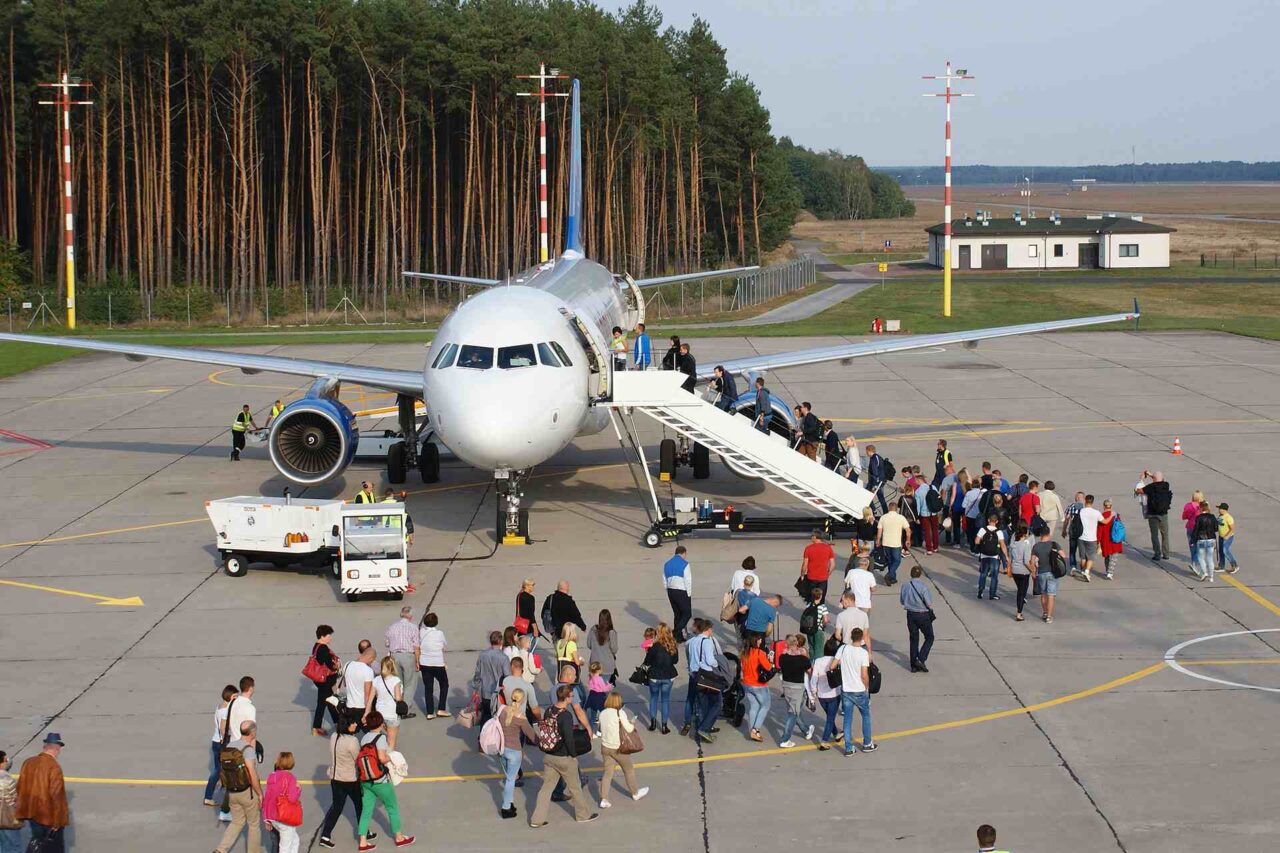
Warsaw Chopin Airport handled more than 4.8 million passengers in the first quarter alone. The figures point to a busy start to the year for the country’s largest airports, which have faced rising pressure to keep queues short, maintain security standards and process more travellers efficiently.
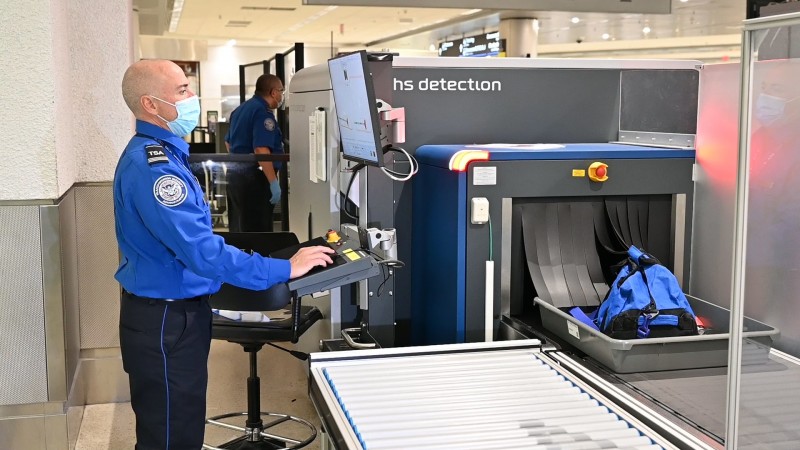
The broader article linked the traffic growth to the role of security systems in supporting airports in Poland and abroad. While the source did not detail specific technologies, the trend reflects a wider industry focus on tools that help airports manage increased passenger numbers without compromising safety.
Airports in Europe and other major markets have increasingly relied on integrated systems for screening, surveillance and access control as travel volumes recover and expand. For operators, the challenge is balancing faster passenger flows with tighter security and operational reliability.
In Poland, the latest figures suggest that the country’s main hubs are continuing to gain from strong domestic and international demand. Warsaw Chopin, Krakow and Katowice were among the airports recording the largest increases, showing how growth is concentrated in the biggest aviation centres.
The Civil Aviation Office data covers the first three months of 2025, while the half-year total indicates that the upward trend has continued into the second quarter. That leaves Poland on track for another strong year in passenger traffic if the current pace is maintained.
Airport security remains a key part of that growth story. As more passengers move through terminals, operators depend on systems that can support safety checks, protect infrastructure and help keep journeys moving.