
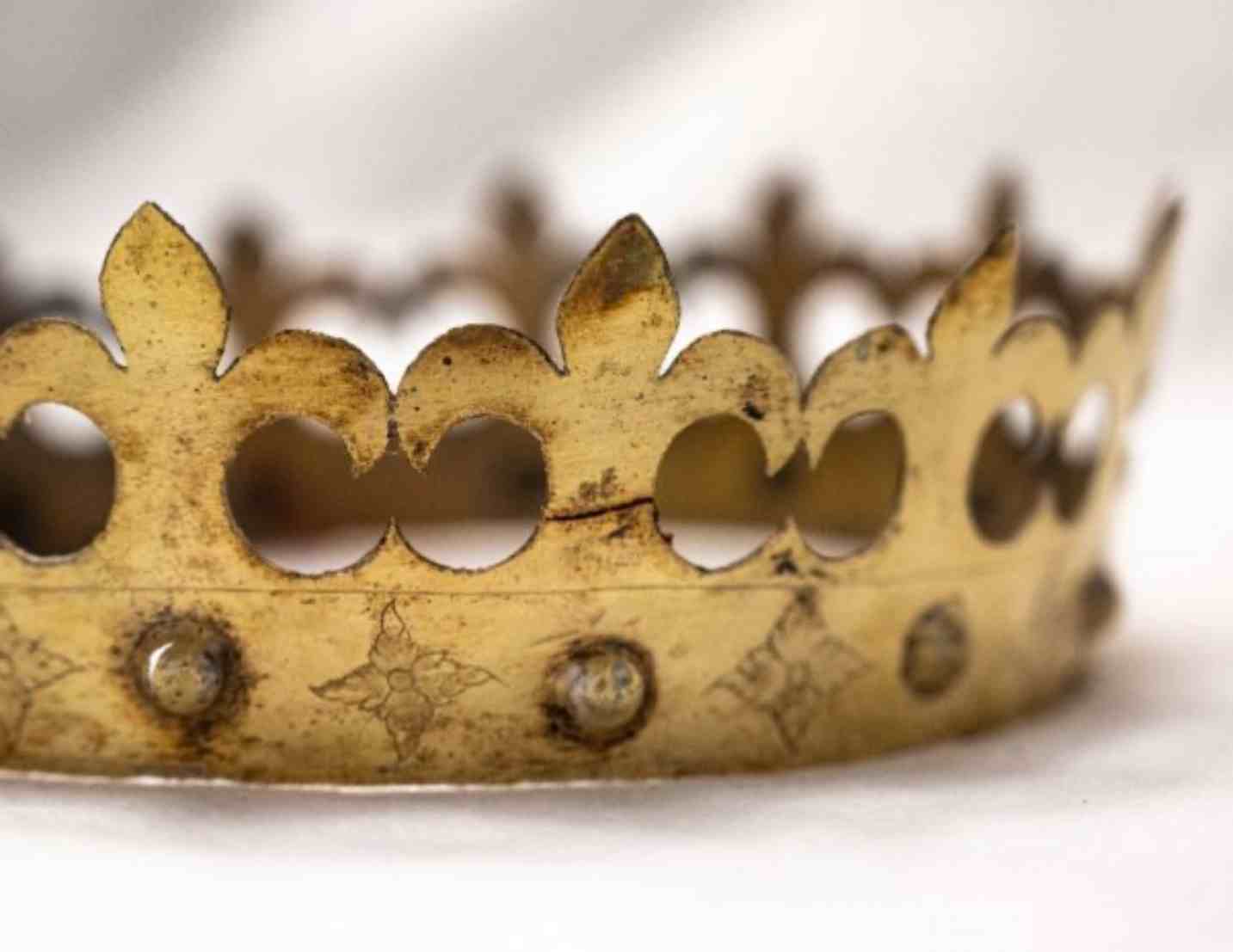
One of the most significant archaeological and historical discoveries in the Baltic region will go on public display this summer as the Vilnius Church Heritage Museum unveils a collection of royal burial insignia that belonged to Lithuanian and Polish rulers of the Jagiellonian dynasty.
Opening on July 9, the exhibition titled Hidden Within will showcase funerary regalia and personal jewellery belonging to King Alexander Jagiellon, Queen Elizabeth of Austria and Queen Barbara Radziwill. The artefacts were rediscovered in 2024 within the underground crypts of Vilnius Cathedral after being hidden during the Second World War and considered lost for decades.
A Discovery of International Importance
The rediscovery has attracted attention far beyond Lithuania. According to Prof. Andrzej Betlej, Director of the Wawel Royal Castle in Kraków, the discovery holds exceptional significance because most royal regalia associated with Poland’s monarchs disappeared at the end of the 18th century.
The artefacts belonged to members of the influential Jagiellonian dynasty, which ruled large parts of Central and Eastern Europe. Historians say the objects carry immense historical, cultural and symbolic value for both Lithuania and Poland.
For decades, scholars believed the insignia had been lost forever. Their recovery represents a rare restoration of physical links to one of the most important dynasties in European history.
Hidden During War, Rediscovered Generations Later
The royal remains and associated burial regalia were originally discovered in 1931 after spring floods revealed the royal crypts beneath Vilnius Cathedral. As war approached, church authorities concealed the treasures to protect them from destruction and looting.
Although part of the cathedral treasury was recovered in 1985, the royal insignia remained missing despite numerous searches and decades of speculation regarding their whereabouts.
The latest discovery connects multiple chapters of the cathedral’s history, with the exhibition tracing the concealment, loss and eventual recovery of the treasures through archival documents, photographs and research records.
Unique Renaissance Crowns and Royal Jewellery
The collection includes three funeral crowns, a sceptre and an orb belonging to the rulers, making it one of the most important surviving sets of funerary insignia from the Lithuanian-Polish state.
Curator Dr Giedrė Mickūnaitė notes that personal royal regalia created specifically for individual rulers are exceptionally rare. Unlike coronation crowns, which were often reused for generations, personal burial regalia were produced in limited numbers and many were later destroyed, altered or lost.
The exhibition also features four gold rings decorated with diamonds, rubies and emeralds, along with a remarkable gold chain associated with Queen Barbara Radziwill. The pieces offer insight into the craftsmanship and artistic sophistication of Renaissance goldsmiths.
Among the most extraordinary objects is a medallion belonging to Queen Elizabeth of Austria, created from a unique 10-ducat coin minted in 1533. The piece bears portraits of Sigismund the Old and Sigismund II Augustus and is believed to be the only surviving example of its kind.
Conservation Efforts Bring the Treasures Back to Life
After spending decades hidden in a humid underground environment, many of the artefacts were found in fragile condition. Precious metal objects survived best, although they still showed significant deterioration caused by moisture and contact with decaying newspaper wrappings.
Through careful conservation and restoration work carried out by specialists at the Vilnius Church Heritage Museum, the treasures have been stabilised and prepared for public display for the first time in nearly a century.
A New Chapter in the History of Vilnius Cathedral
The exhibition also highlights the broader historical significance of Vilnius Cathedral, which for centuries served as a burial place for Lithuanian rulers and bishops and a refuge for valuable treasures during periods of conflict.
In May 2026, researchers launched a new multidisciplinary programme aimed at uncovering further secrets hidden within the cathedral complex. The rediscovered insignia represent the latest chapter in a story that continues to reveal new insights into Lithuania’s royal past and its shared history with Poland.