Americans planning summer trips to France are facing a more complicated travel picture, with tourism experts warning that politics, pricing and public sentiment are all shaping demand.
The market is still active, but travel advisers and tourism industry figures say some US visitors are thinking harder about how they travel and what they spend. The impact of Donald Trump’s policies and public profile is being felt well beyond the United States, including in Europe.
For France, one of the world’s biggest tourism destinations, the question is whether Americans will keep coming in large numbers, and whether the summer season can absorb any slowdown in demand.
Travel from the United States to France has long been driven by a mix of culture, shopping, food and family visits. But this year, industry watchers say the mood is more cautious, with concerns about the cost of flights, hotels and a stronger focus on value.
At the same time, the political climate is adding another layer of uncertainty. The article points to a “Trump effect” that is influencing perceptions of the United States abroad, and in some cases affecting how Americans are viewed as travellers.
That does not necessarily mean a sharp drop in visitor numbers. France remains a priority destination for many Americans, especially in summer when travel demand peaks and transatlantic routes are busiest.
But tourism businesses are watching closely. Hotels, tour operators and destination marketers depend on US travellers for spending power, and any shift in booking behaviour can quickly affect revenue during the high season.
Experts say Americans are also more selective about when and where they travel. Some are choosing shorter stays, while others are looking for destinations that offer a clearer sense of value or a more relaxed experience.
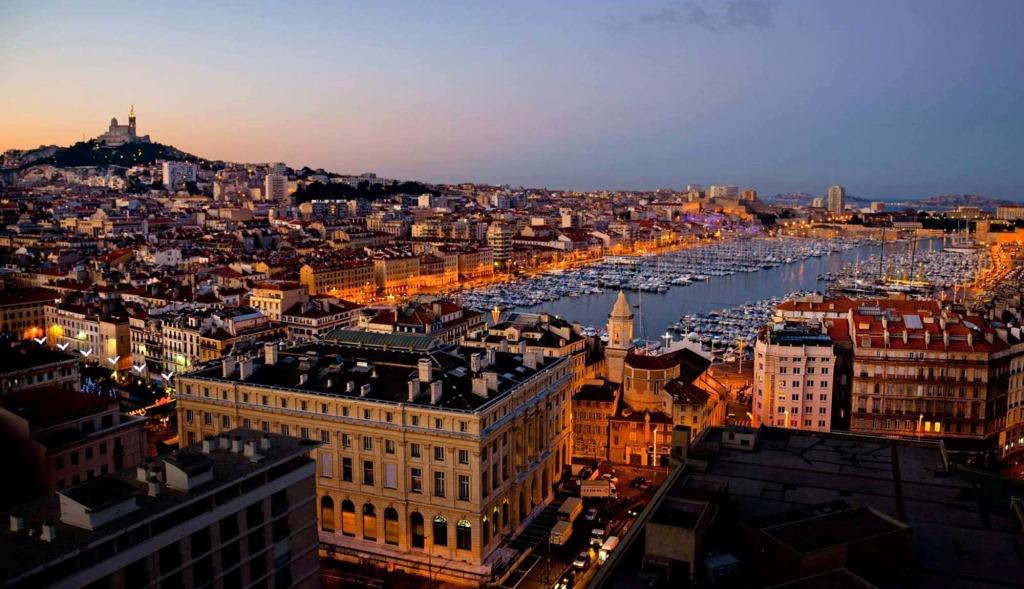
France, however, retains a strong appeal. Paris, the Riviera, Bordeaux and Provence continue to draw international visitors, and American travellers remain among the most important long-haul markets for the country.
The broader issue is how global politics can filter into travel decisions. A change in government or foreign policy in one country can influence exchange rates, airline demand, consumer confidence and even the way people feel about crossing borders.
For France, the immediate challenge is to keep the US market engaged through the summer peak. That means reassuring visitors about access, affordability and the experience they can expect on arrival.
Travel professionals say the coming months will show whether the combination of political headwinds and higher costs changes the pace of US travel to France, or whether demand proves resilient again.
For now, the summer outlook is mixed. Americans are still planning trips, but they are doing so with more caution, and France’s tourism industry is paying close attention.