The sharp rise in aviation fuel prices triggered by the conflict in Iran is significantly increasing airline operating costs, raising the likelihood of higher ticket prices for passengers across Europe.
According to a study by Transport & Environment, disruptions in global oil supply chains have driven up jet fuel costs, adding an average of €88 per passenger on long-haul flights departing Europe and €29 on short-haul routes within the region.
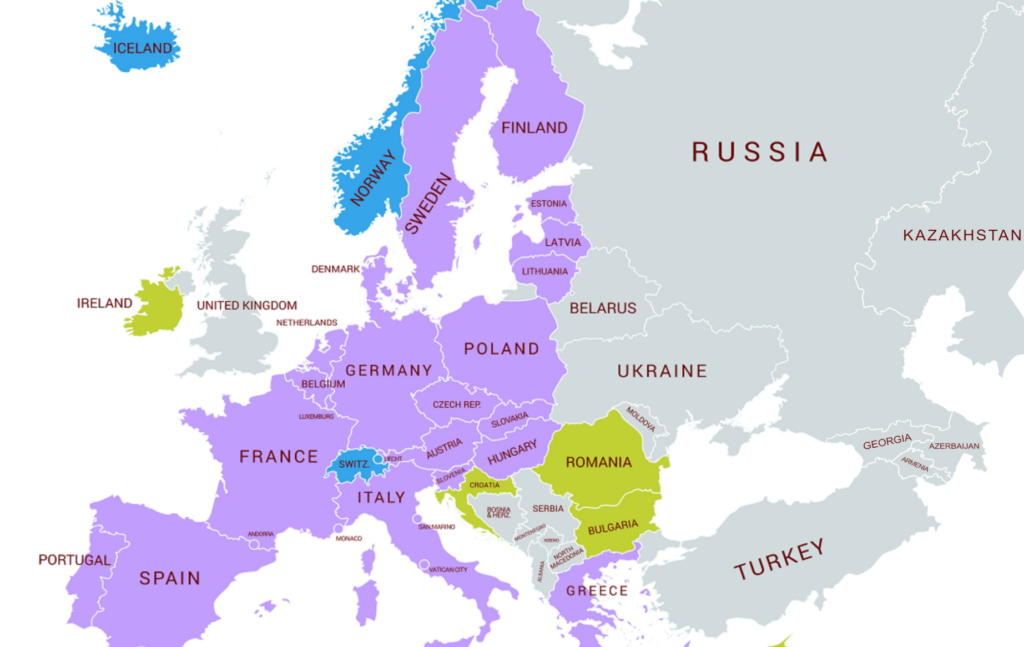
The impact is closely tied to Europe’s heavy reliance on imported energy. The European Union imports around 95% of its crude oil, much of which is refined into aviation fuel. Additionally, about one-third of jet fuel demand is met through direct imports of refined products, with the Middle East serving as a key supplier.
A critical vulnerability lies in the Strait of Hormuz, through which approximately 30% of aviation fuel supplies to the EU pass, either as crude oil for refining or as finished jet fuel. Any disruption in this corridor has immediate consequences for fuel availability and pricing.
The cost increases are already being felt on specific routes. Analysts estimate that fuel expenses per passenger have risen by €26 on flights between Barcelona and Berlin, while long-haul journeys such as Paris to New York have seen increases of up to €129 per passenger.
In response, European policymakers are considering measures to reduce dependence on Middle Eastern fuel supplies, including boosting imports from the United States and accelerating the transition to alternative energy sources.
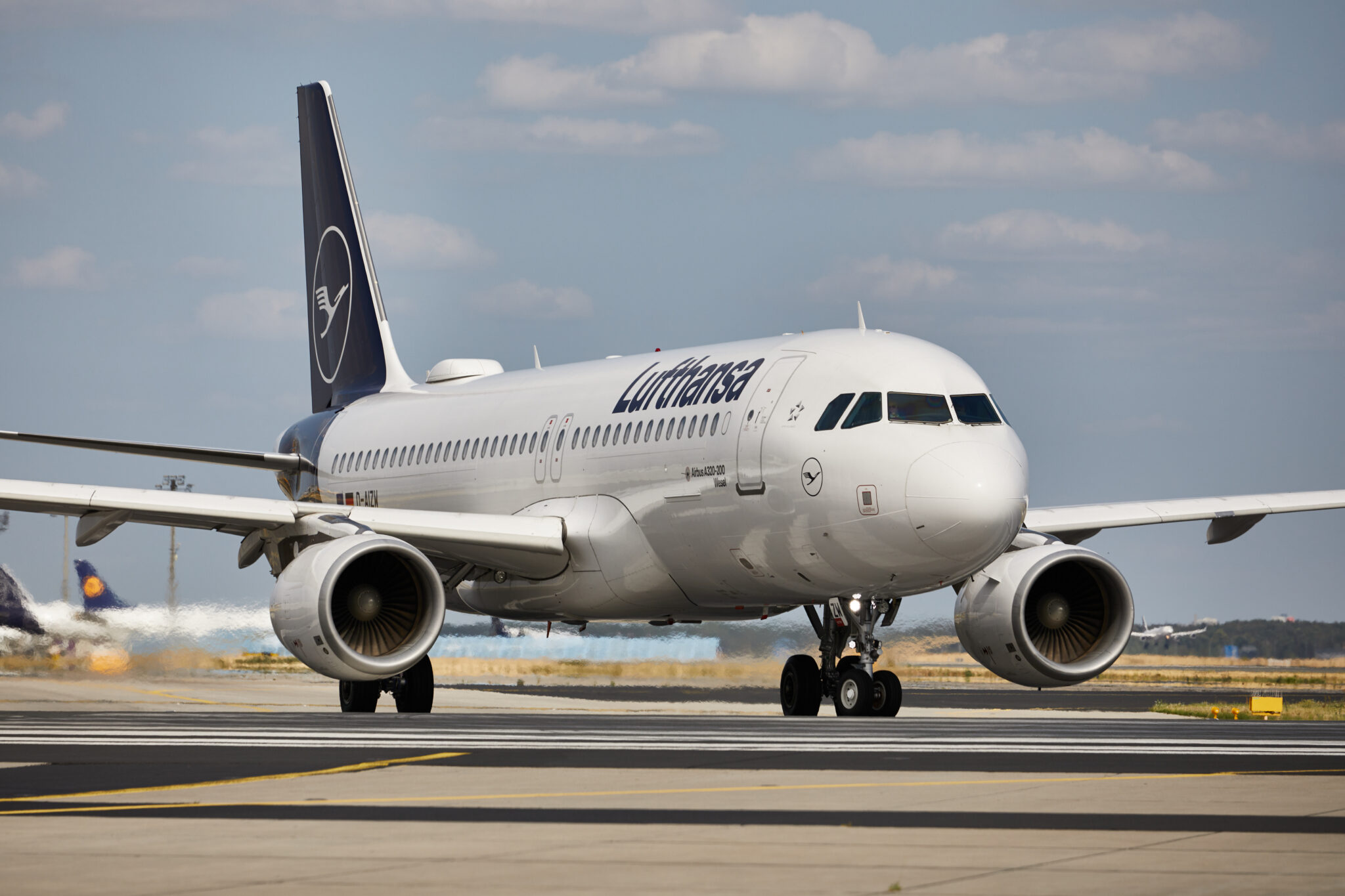
Airlines are already adjusting to the new cost environment. Lufthansa has announced the suspension of operations for 27 aircraft, becoming one of the first major carriers to take such steps. Meanwhile, easyJet has reported weaker booking trends compared to last year, reflecting growing pressure on demand as travel costs rise.
The situation highlights the broader vulnerability of the aviation sector to geopolitical shocks, with fuel price volatility continuing to shape airline strategies, passenger demand and the overall outlook for air travel in Europe.