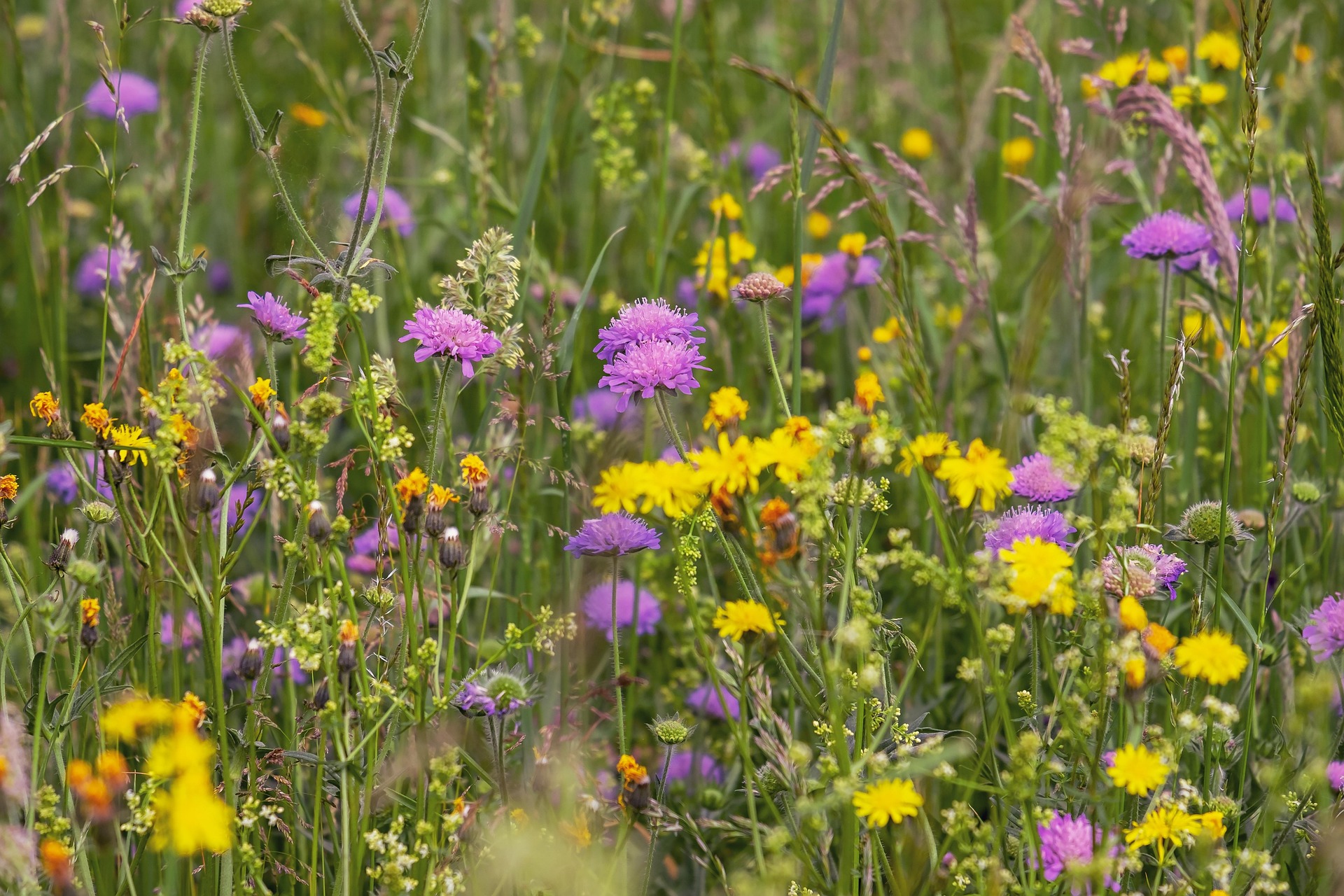
Wildflower tourism is rapidly emerging as one of the defining travel trends of 2026, turning remote landscapes and overlooked regions into global hotspots – often for just a few fleeting weeks.
From deserts in the United States to coastal plains in Europe, travellers are increasingly timing their trips around bloom cycles, chasing landscapes that exist only briefly before disappearing again. What was once a niche interest has evolved into a mainstream travel movement, driven by social media, climate patterns and a growing appetite for nature-led experiences.
In Death Valley National Park, a rare and powerful bloom has drawn a surge of visitors, with reports suggesting sharp increases in footfall during peak flowering periods. The phenomenon, often described as a “superbloom”, has transformed one of the driest places on earth into a temporary sea of colour – and a magnet for travellers.
Across the Atlantic, the trend is also gaining momentum. In Outer Hebrides, seasonal wildflowers are bringing new attention to fragile coastal ecosystems known as machair, where nature, culture and slow travel intersect. These lesser-known landscapes are now appearing on travel itineraries alongside more established bloom destinations.
Even in the US, authorities are adapting to the rise in demand. In Texas, officials have introduced dedicated wildflower maps to help visitors locate blooms while managing crowds and protecting sensitive areas. The move reflects a shift from passive promotion to active management of nature-based tourism.
At its core, the appeal of wildflower tourism lies in its urgency. Bloom seasons are short, unpredictable and impossible to replicate, creating a sense of scarcity that drives travel decisions. Unlike traditional destinations, these experiences are tied to timing as much as location.
But the boom is not without consequences.
Environmental concerns are growing as increased visitor numbers put pressure on delicate ecosystems. In some regions, authorities have warned that heavy foot traffic is damaging plant life, with tourists straying off paths in search of the perfect photograph. The very popularity of these blooms risks undermining the conditions that make them possible.
There is also increasing debate around expectations. Scientists have cautioned that terms like “superbloom” are often overused, leading to mismatches between what travellers anticipate and what nature delivers. Combined with shifting weather patterns, this makes wildflower tourism inherently unpredictable.
Climate variability is adding another layer of complexity. Rainfall patterns, temperature swings and drought conditions are all influencing bloom intensity and timing, making it harder to plan trips with certainty. In some areas, weaker early blooms have been followed by stronger late-season displays, further complicating the picture.
Despite these challenges, the direction of travel is clear. Wildflower tourism is no longer a fringe activity – it is becoming a global driver of seasonal travel, capable of redirecting visitor flows and creating new tourism economies in unexpected places.
For destinations, it offers opportunity. For travellers, it offers something increasingly rare: a moment in time that cannot be repeated.
And for the industry, it raises a critical question – how to balance the demand for these natural spectacles with the need to protect them before they disappear.