
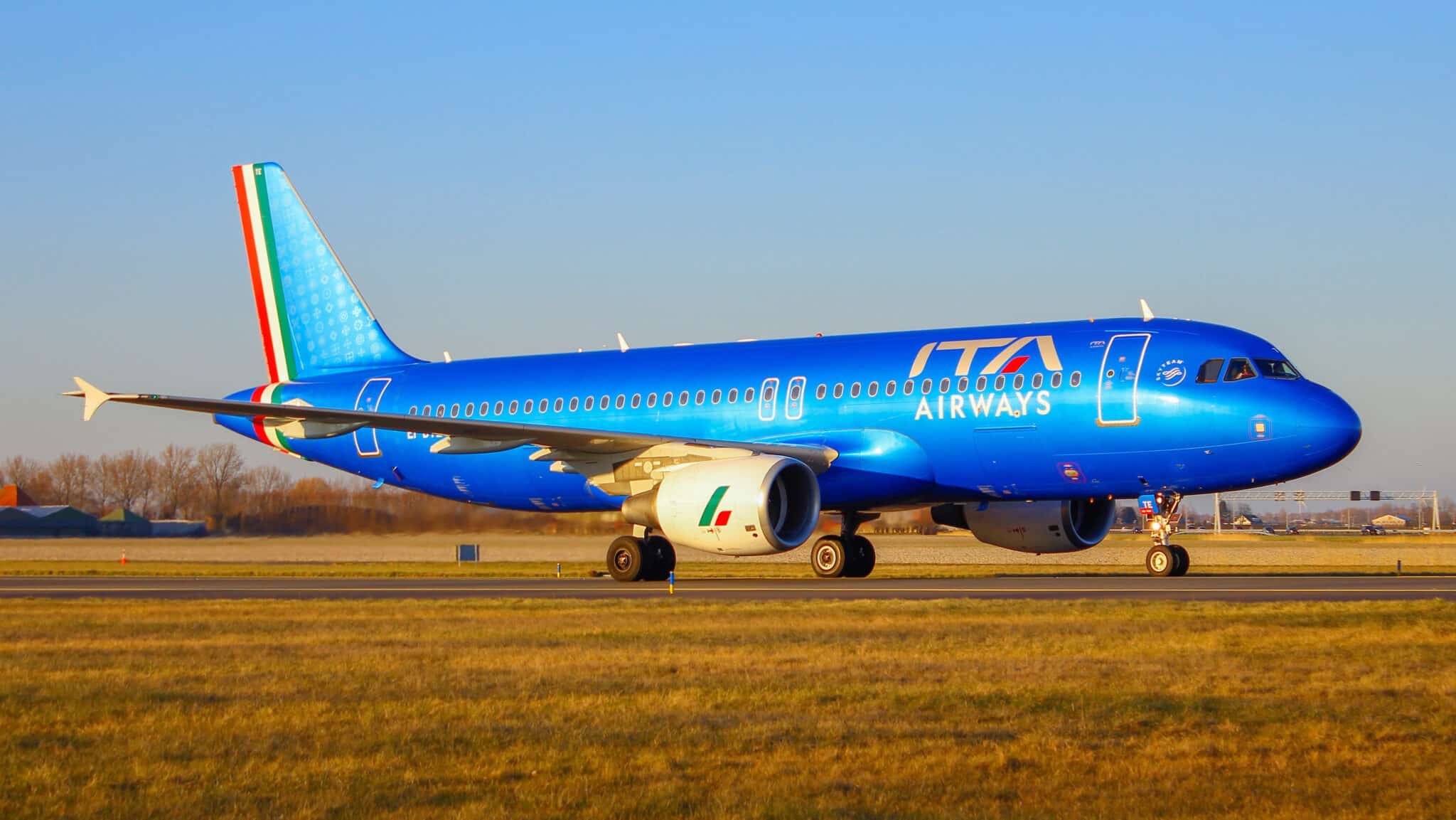
Italy’s national carrier ITA Airways is ramping up its long-haul operations to Asia this summer, responding to mounting disruption across Middle Eastern airspace and shifting passenger demand toward more direct routes.
The airline confirmed it will increase frequencies on two of its key Asian connections in August 2026, strengthening links between Rome and both Bangkok and New Delhi.
Flights between Rome and Bangkok will increase from three to five weekly सेवices, while the Rome–New Delhi route will shift to daily operations, up from its current five or six weekly rotations. The move reflects a broader recalibration across the aviation sector, as airlines adapt to increasingly complex routing constraints.
Chief Executive Joerg Eberhart pointed directly to geopolitical instability as a driving factor behind the expansion, highlighting the growing importance of uninterrupted, direct connectivity between Europe and Asia.
“In a phase where the geopolitical landscape makes the ability to reach Asia through direct and reliable connections even more valuable, the increase in frequencies… is a concrete sign of confidence,” Eberhart said, underlining the airline’s intention to respond quickly while maintaining service quality.
The decision comes as the ongoing conflict involving the United States, Israel and Iran continues to disrupt traditional flight corridors over the Gulf. Airspace restrictions and safety concerns have significantly impacted one of the world’s most important aviation transit regions – long dominated by stopover hubs linking Europe, Asia, Oceania and North America.
As a result, airlines are increasingly prioritising non-stop routes that bypass affected zones, even if this requires operational adjustments or higher costs. For ITA Airways, expanding direct services offers both a commercial opportunity and a strategic necessity.
The airline’s evolving network strategy also aligns with its broader transformation following investment from Lufthansa, which acquired a minority stake in the former Alitalia. The partnership is expected to strengthen ITA’s position within the European aviation landscape while supporting network optimisation and long-haul growth.
For travellers, the changes signal improved access to Asia during a period of uncertainty. Direct flights not only reduce journey times but also minimise exposure to potential disruptions in transit hubs, offering a more predictable travel experience.
As geopolitical tensions continue to reshape global aviation routes, ITA Airways’ latest move illustrates how airlines are adapting in real time – balancing operational resilience with the need to maintain connectivity across key international markets.