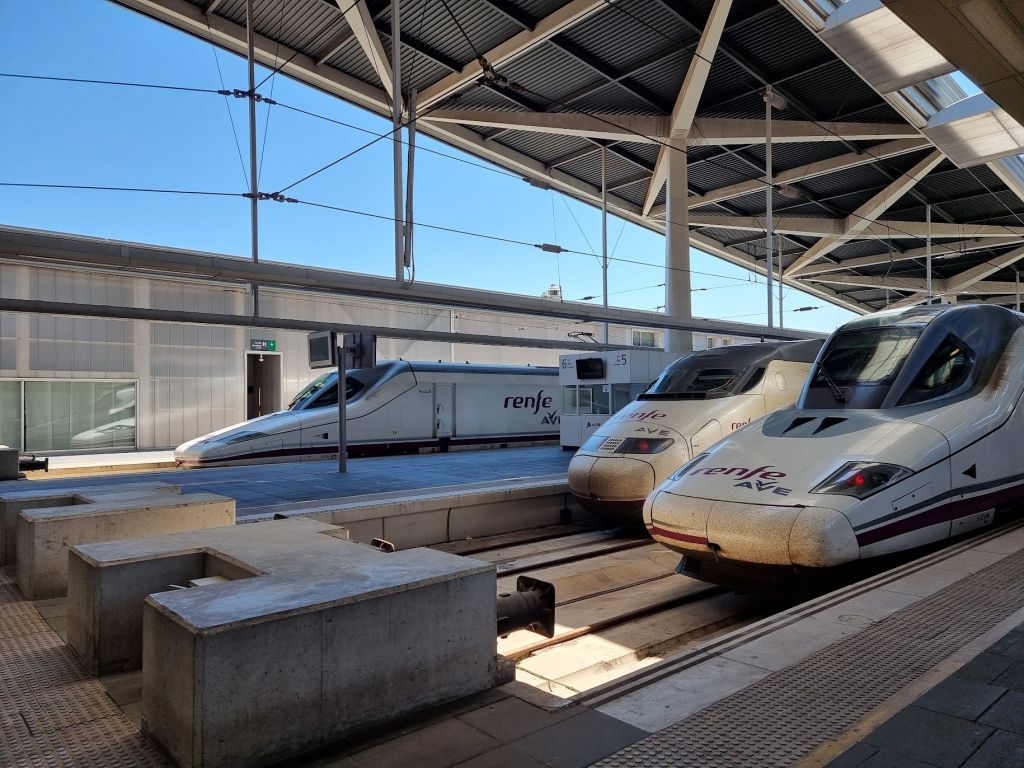

Travellers across Europe are struggling to book international train journeys because of what campaigners describe as a fragmented and outdated ticketing system. Passengers report being unable to buy a single ticket for cross-border trips, forcing them to split journeys into multiple bookings or abandon rail altogether.
The issue affects routes between major cities as well as regional connections, undermining efforts to promote rail as a greener alternative to flying. Industry observers say the lack of integration between national rail operators is the main barrier, with each company maintaining separate booking platforms, pricing structures and data systems.
Despite years of political support for seamless European rail travel, progress on a unified ticketing solution has been slow. As a result, passengers often face higher costs, missed connections and limited consumer protection when combining tickets from different providers.
Rail travel has seen renewed interest in recent years, driven by climate concerns and the expansion of high-speed networks. Governments and the European Union have encouraged a shift from short-haul flights to trains, particularly on routes under 1,000km. However, the ticketing experience has not kept pace with infrastructure improvements.
In many cases, booking a cross-border journey requires navigating multiple websites, each with different languages, payment systems and fare rules. Some operators do not share real-time data, making it difficult for third-party platforms to offer complete itineraries. This can leave passengers unaware of cheaper or faster options.
Consumer groups say the system also exposes travellers to financial risk. If a delay on one leg of a journey causes a missed connection booked separately, passengers may have no right to compensation or rebooking. This contrasts with single-ticket journeys, where operators are typically responsible for getting passengers to their destination.
Rail companies argue that technical and commercial complexities make integration difficult. National operators use different reservation systems, and some rely on legacy technology developed decades ago. Aligning these systems requires significant investment and coordination across borders.
There are also commercial concerns. Operators compete on certain routes and may be reluctant to share data or revenue. Pricing models vary widely, with dynamic fares, seat reservations and discount schemes adding further complexity to any unified system.
Some progress has been made. A number of third-party platforms now attempt to aggregate tickets across multiple operators, offering passengers a more streamlined booking process. However, these services are not always comprehensive and may charge additional fees.
The European Commission has acknowledged the problem and proposed measures to improve data sharing and passenger rights. These include requirements for operators to provide access to schedules and fares, enabling digital platforms to offer integrated tickets. Officials have also discussed strengthening protections for passengers on multi-leg journeys.
Rail advocates say more urgent action is needed if Europe is to meet its climate targets. They argue that simplifying ticketing is one of the fastest ways to make rail more attractive, without the long lead times required for new infrastructure projects.
Passengers continue to adapt by piecing together journeys themselves, often using a mix of national rail websites and independent apps. While experienced travellers may navigate the system successfully, newcomers can find it confusing and time-consuming.
The contrast with air travel is often highlighted. Airlines routinely offer single tickets across multiple carriers through global distribution systems, allowing passengers to book complex itineraries in one transaction. Rail has yet to achieve a comparable level of integration.
Until a more unified system is in place, experts warn that Europe risks missing an opportunity to shift millions of journeys from air and road to rail. For many travellers, the convenience of booking remains as important as the journey itself.