The UK’s leading visitor attractions saw a modest recovery in 2025, with total visits rising to 165 million across 409 sites, according to new figures released by the Association of Leading Visitor Attractions (ALVA) on Friday during English Tourism Week and Scottish Tourism Month.
The 2% year-on-year increase signals continued momentum for the sector, although attendance remains 7% below the 170 million visits recorded in 2019, underscoring the long tail of post-pandemic recovery.
Growth was uneven across categories. Attractions combining indoor and outdoor elements recorded the strongest gains, up 2.5%, while purely outdoor sites grew by 2%. International tourism also played a significant role, with 231 attractions reporting at least 46.3 million visits from overseas visitors.
A record-breaking year for the Natural History Museum
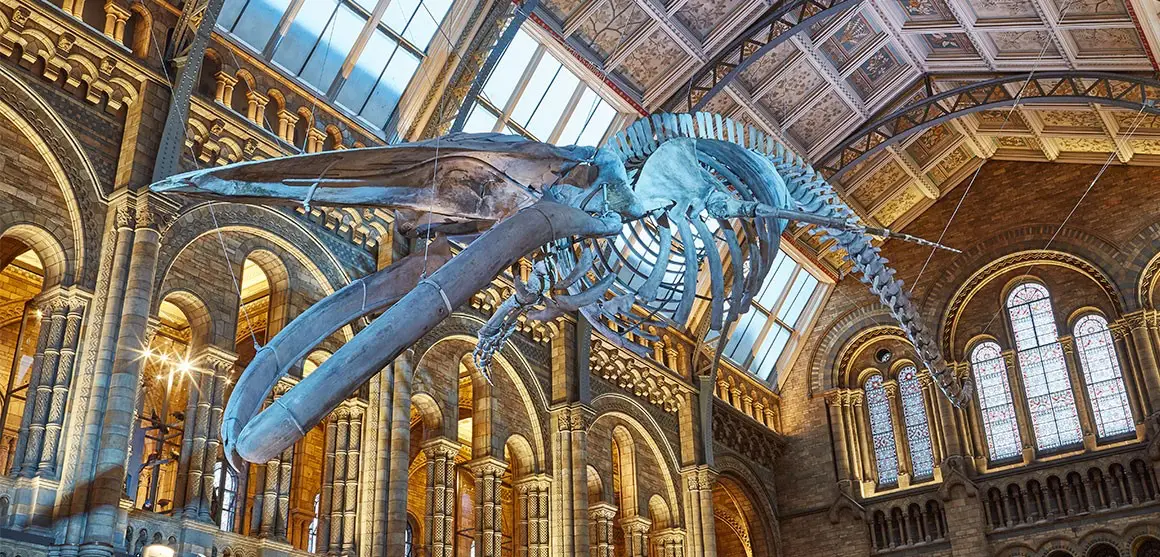
For the first time, the Natural History Museum in South Kensington became the UK’s most-visited attraction, welcoming a record 7,116,929 visitors – a 13% increase and the highest attendance ever recorded by a UK museum or gallery.
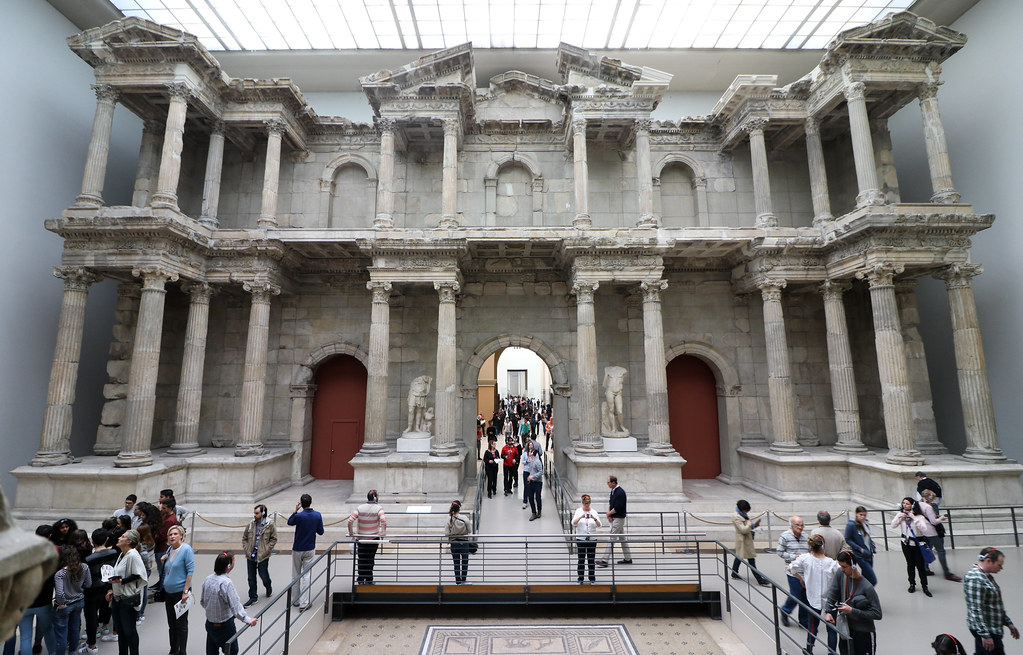
The British Museum ranked second with 6,440,120 visitors, followed by Windsor Great Park, which remained the most popular outdoor attraction with 4,978,299 visits. Tate Modern secured fourth place with 4,514,266 visits, while the Tower of London was the highest-ranked paid attraction, placing ninth with 2,817,852 visitors.
Dr Doug Gurr, Director of the Natural History Museum, described the milestone as a reflection of “the enormous public appetite to engage with the wonders of the natural world,” adding that the institution plans to expand its capacity through its NHM150 programme ahead of its 150th anniversary in 2031.
Regional growth led by the North West
Regional performance varied across the UK. Scotland recorded a 2.6% increase in visits, while Wales saw more modest growth of 0.9%. Within England, the North West led with a sharp 11.3% rise, followed by the East Midlands at 7.5%.
London continued to dominate overall visitor numbers, but several institutions saw particularly strong rebounds. The National Gallery rose to fifth place after a 29% surge in visitors following the reopening of its Sainsbury Wing and a major rehang of its collection.
Other notable gains included a 47% increase at UK Parliament, which climbed 21 places in the rankings, and a 20% rise at the Royal Academy of Arts, driven by a successful Summer Exhibition.
Major cultural venues such as the Southbank Centre and the Royal Albert Hall also reported strong attendance, while the London Transport Museum achieved its highest annual visitor total since opening in 1980.
Seasonal programming drives footfall
Seasonal events proved to be a key driver of visitor engagement. Attractions across the UK reported increased attendance linked to Halloween and Christmas programming.
The Eden Project and Chatsworth both saw strong visitor numbers tied to festive events, while Blenheim Palace approached one million visits. English Heritage’s Kenwood House recorded a 27% increase, attributed to a major exhibition alongside themed seasonal experiences.
Strong performance across devolved nations
In Scotland, the National Museum of Scotland remained the most-visited free attraction with over 2.3 million visits, while Edinburgh Castle continued as the country’s top paid site. Glasgow’s Kelvingrove Art Gallery and Museum and the Riverside Museum also maintained strong positions.
Northern Ireland’s Titanic Belfast retained its status as the region’s leading attraction, with visits rising 8% to more than 950,000. Meanwhile, the Giant’s Causeway and Hillsborough Castle also reported growth, and HMS Caroline recorded the largest percentage increase in the region.
In Wales, St Fagans National Museum of History topped the rankings with over 570,000 visits, followed by National Museum Cardiff. The National Wool Museum recorded the highest growth rate, up 22%.
Reopenings and cultural events fuel regional gains
Outside London, heritage sites and cultural institutions continued to anchor regional tourism. Windsor Castle, RHS Garden Wisley and Stonehenge were among the most visited attractions in England.
Significant growth was also driven by major reopenings and cultural programming. Birmingham Museum and Art Gallery saw a 305% increase in visitors after reopening, while Bradford’s National Science and Media Museum surged following redevelopment and its role in UK City of Culture 2025.
Other notable increases were recorded at Beamish in the North East, Tynemouth Priory and Castle, and several museums linked to anniversaries and major exhibitions, including the University of Cambridge’s Museum of Zoology and Leeds City Museum.
Sector faces ongoing financial pressure
Despite the rise in visitor numbers, ALVA warned that 2025 has been financially challenging for many operators.
Bernard Donoghue, Director of ALVA, said attractions remain highly valued by the public but are operating in an increasingly competitive and cost-sensitive environment.
He pointed to rising operational costs, including increases in employers’ National Insurance contributions and the national minimum wage, alongside the ongoing cost-of-living crisis, as key pressures on the sector.
“Visitors are more tactical than ever in how they spend both their money and their time,” he said, noting that attractions are now competing not only with each other but also with free activities and digital entertainment.
While demand for cultural and leisure experiences remains resilient, the data suggests the UK attractions sector is still navigating a complex recovery landscape – balancing renewed visitor interest with mounting economic challenges.