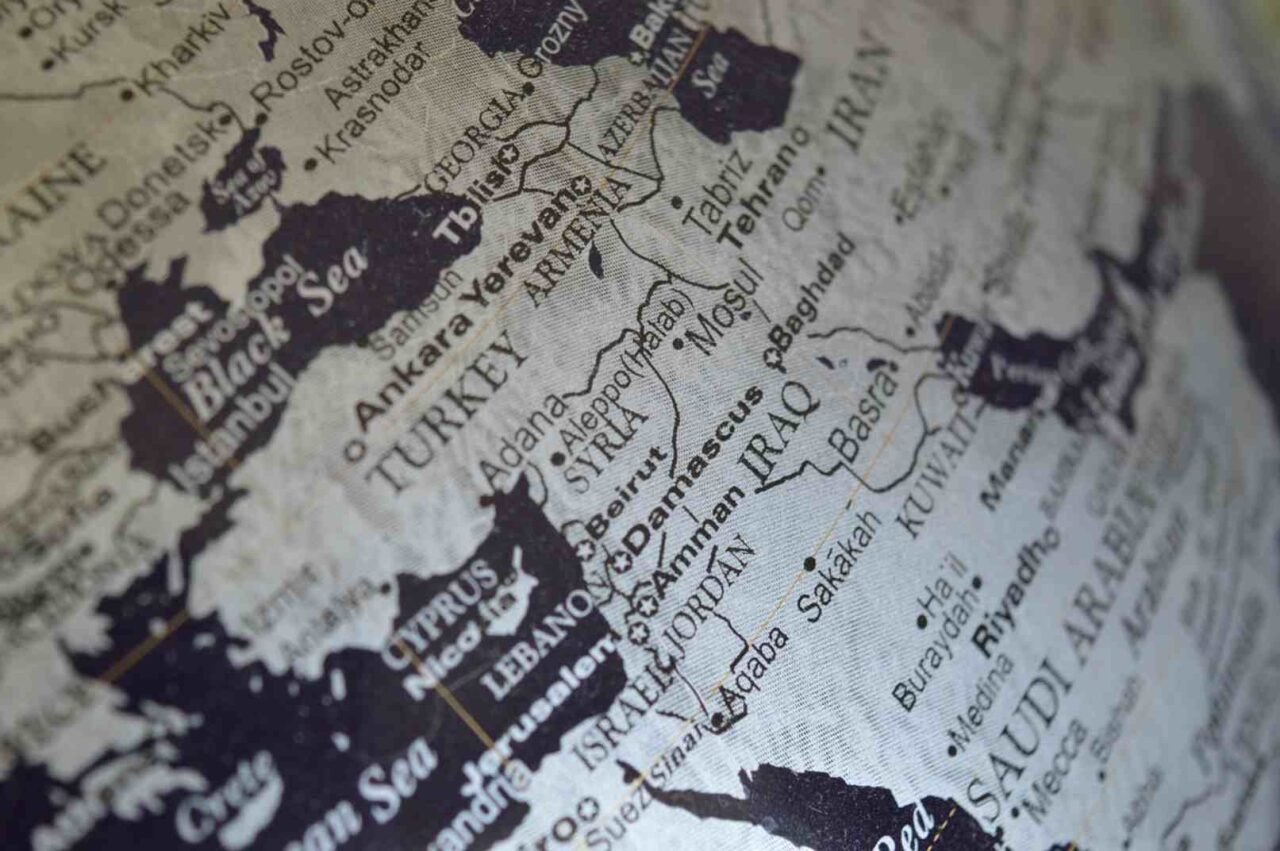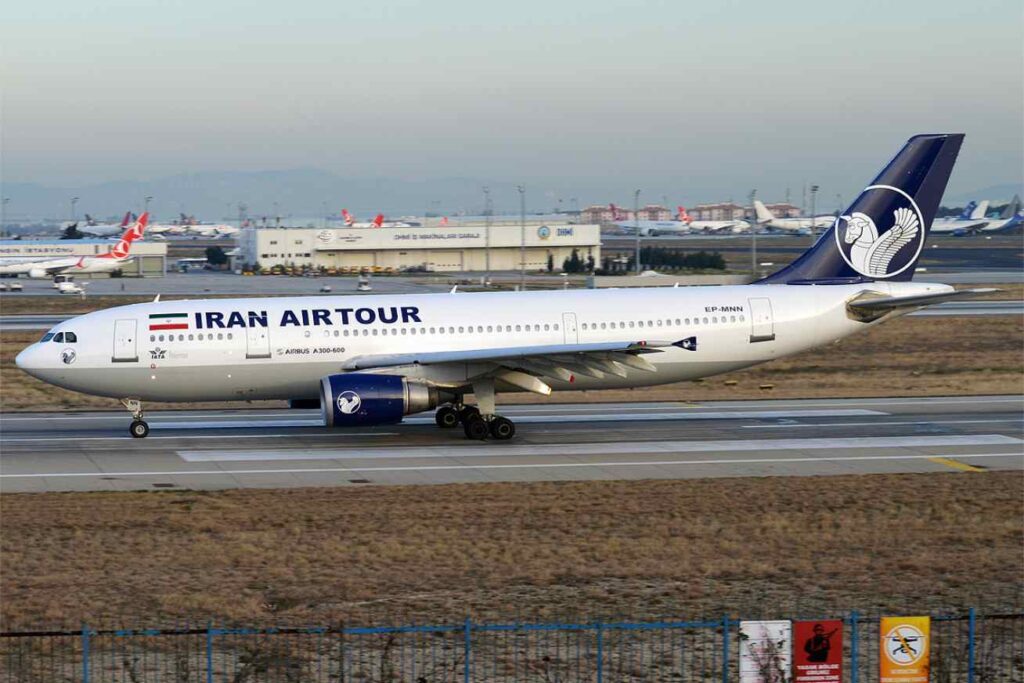
A vast corridor of airspace across the Middle East remained closed on Monday, grounding thousands of flights and disrupting global travel as tensions linked to Iran continue to escalate.
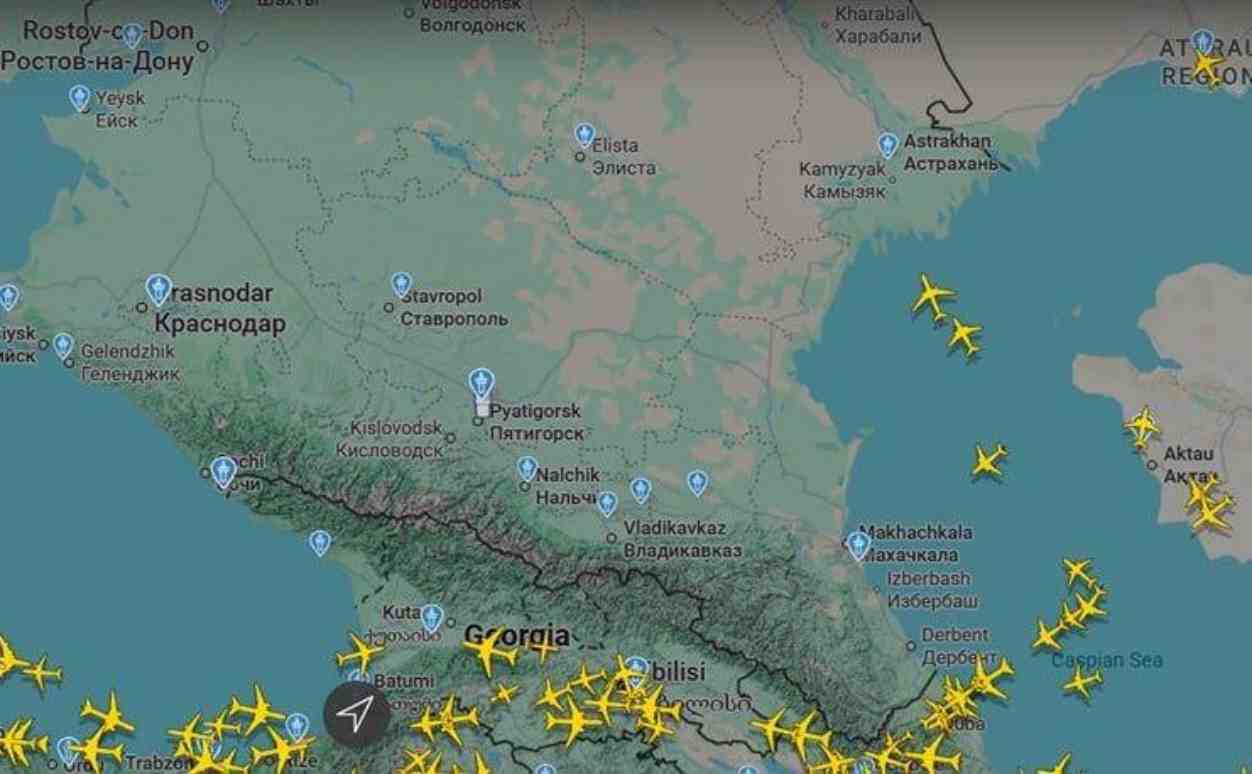
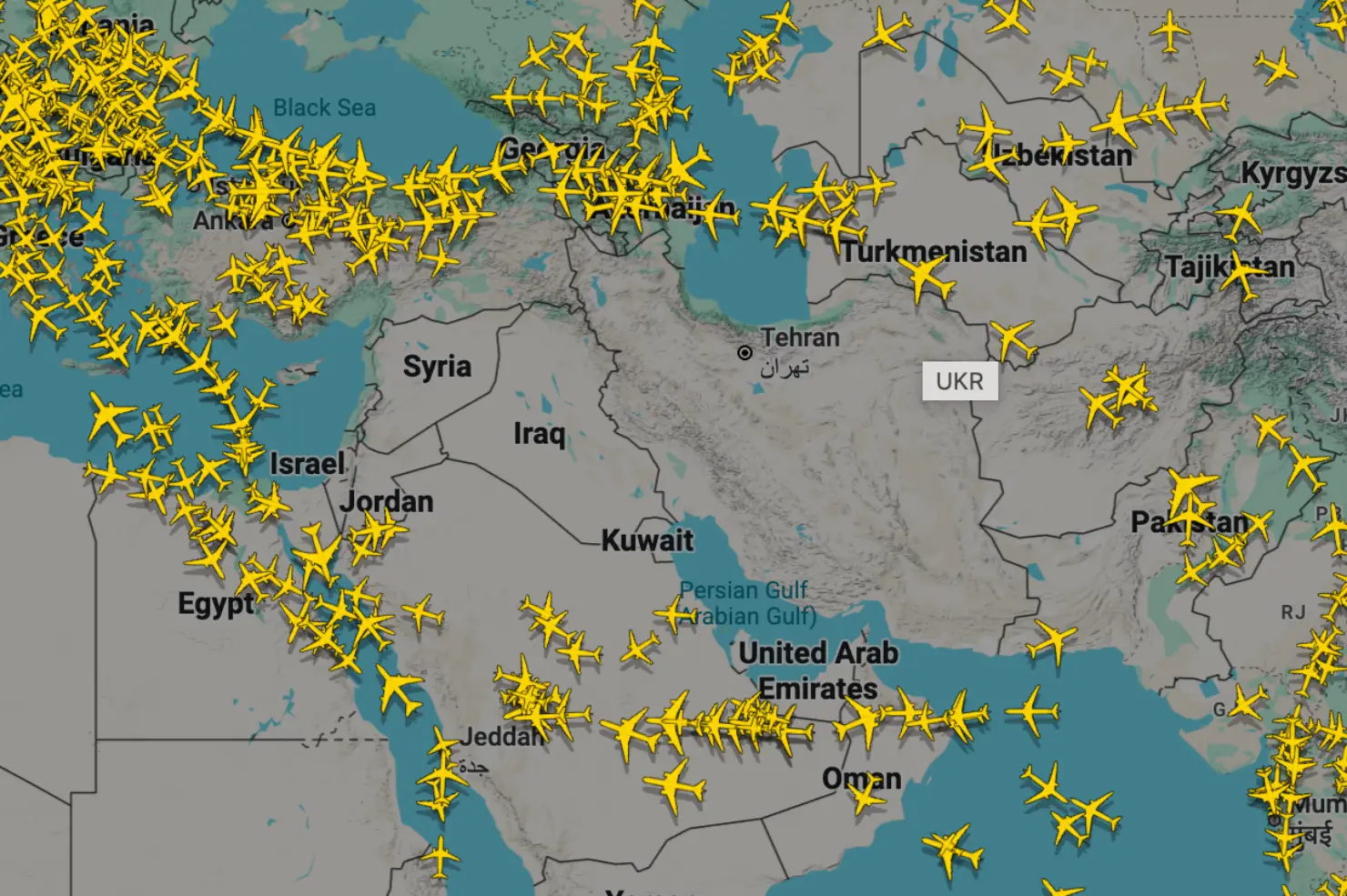
Airspace restrictions are currently affecting the United Arab Emirates, Qatar, Kuwait, Israel, Bahrain and Iraq. Flight tracking data from Flightradar24 showed skies over much of the region nearly empty, an extraordinary sight in one of the world’s busiest aviation corridors.
Major Gulf Hubs at a Standstill
The shutdown has immediate global implications.
The region is home to some of the world’s most important aviation hubs, including Dubai and Abu Dhabi in the UAE and Doha in Qatar. Airlines such as Emirates, Etihad Airways and Qatar Airways connect Europe, Asia, Africa and the Americas through these transit points, handling millions of passengers each year.
Emirates and Etihad suspended all flights to and from their bases until Monday afternoon local time. Qatar Airways halted operations at Hamad International Airport following the closure of Qatari airspace.
With renewed strikes expanding the conflict, aviation analysts say it appears increasingly unlikely that normal operations will resume quickly.
Thousands of Flights Canceled
According to FlightAware data, thousands of international flights were canceled on Sunday and Monday, with disruption continuing to grow.
Airlines outside the immediate conflict zone are also adjusting schedules. Lufthansa has suspended flights to and from Dubai until March 4 and halted services to Tel Aviv, Beirut, Amman, Erbil, Dammam and Tehran until March 8. British Airways has canceled flights to Tel Aviv and Bahrain through Wednesday.
Many carriers are rerouting aircraft to avoid the affected airspace, adding hours to flight times and increasing operational costs.
Governments Issue Travel Warnings
The widening disruption has prompted multiple governments to update travel guidance.
The United States Department of State issued a global security alert advising US citizens to exercise caution and follow instructions from their nearest US embassy or consulate. Americans affected are encouraged to enroll in the Smart Traveler Enrollment Program, which enables emergency contact during crises.
Canada has advised citizens to avoid all travel to Bahrain, Iraq, Israel and Palestine, Kuwait, Lebanon, Qatar and the UAE, and to avoid non-essential travel to Jordan, Oman and Saudi Arabia.
The UK government has urged British nationals in Bahrain, Israel, Kuwait, Palestine, Qatar and the United Arab Emirates to register with the Foreign, Commonwealth & Development Office for direct updates.
Australia has also warned citizens overseas to prepare for serious travel disruptions in the coming days.
Global Ripple Effect
The Middle East serves as a central aviation bridge between continents. With key hubs offline and airlines rerouting around closed airspace, the impact extends far beyond the region.
Travelers connecting through Dubai, Doha or Abu Dhabi face delays, cancellations and rebooking challenges. Long-haul routes between Europe and Asia are particularly affected, with some flights forced into extended detours.
As the conflict continues to evolve, the aviation sector remains in a holding pattern, waiting for clarity on when the skies over one of the world’s most strategic air corridors can safely reopen.