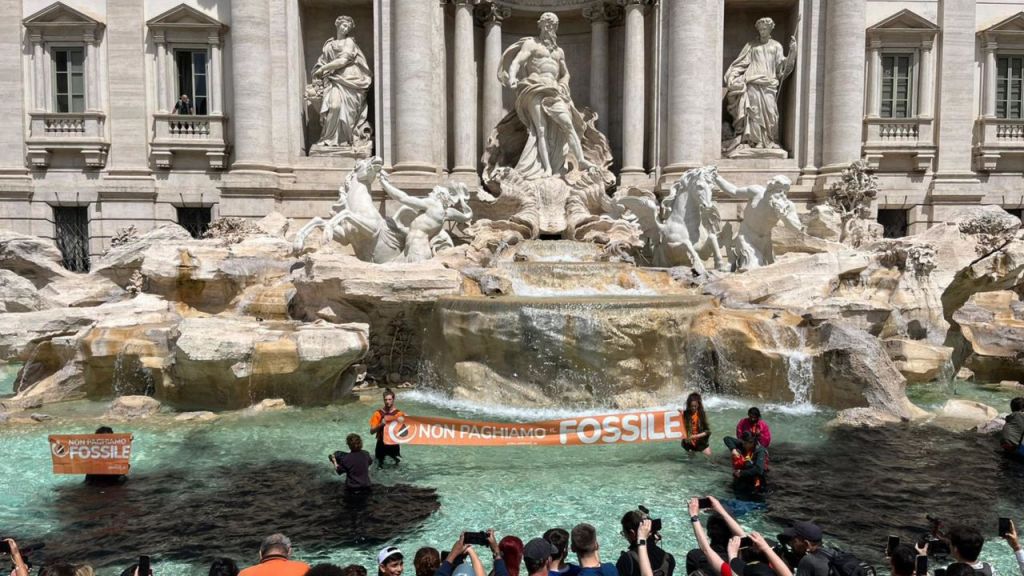
From 1 February 2026, visitors to Rome will be required to pay a small fee to access the closest viewing area of the Trevi Fountain, one of the city’s most visited landmarks.
Under plans announced by Rome’s city authorities, a €2 charge will apply to entry into the zone directly adjacent to the water. Viewing the fountain from a distance will remain free of charge, allowing visitors to continue enjoying the monument without payment if they choose not to approach the basin itself.
The measure is intended to reduce persistent overcrowding at the site. According to local authorities, thousands of tourists gather at the fountain daily, often making it difficult to see the monument at all during peak hours due to dense crowds.
Children under the age of five, people with disabilities and one accompanying person will be exempt from the fee.
Managing overtourism in Rome’s historic centre
Revenue generated from the new access fee will flow directly into the city budget and be used to maintain and preserve the fountain. Rome’s municipal government estimates annual proceeds of around €6.5 million.
The move places Rome among a growing number of European cities attempting to manage overtourism through targeted access controls. Venice, for example, will continue charging a day-tripper tax on peak weekends from Friday to Sunday during April, May, June and July 2026.
The Trevi Fountain, constructed between 1732 and 1762 on the orders of Pope Clement XII, is supplied by the ancient Aqua Virgo aqueduct, which has been in continuous operation since 19 BCE. Located in the historic heart of Rome, it remains one of the most recognisable fountains in the world and one of Italy’s most photographed attractions, helped by its prominent role in cinema and popular culture.
Coins, traditions and surprising sums
Despite the introduction of a paid viewing zone, the long-standing tradition of coin tossing will remain. Each year, visitors throw an estimated €1.5 million into the fountain, following the belief that one coin ensures a return to Rome, two promise love, three foretell marriage and four symbolise wealth.
The collected coins are regularly removed and donated to charitable causes, adding another layer to the fountain’s unique relationship with visitors from around the world.
City officials believe the new system will balance preservation, visitor experience and access, ensuring that one of Rome’s most treasured monuments remains visible, accessible and protected amid ever-growing global tourism demand.