
Feeling stressed may be a universal experience, but where you live can significantly amplify or ease that pressure. A new global index has ranked the world’s most and least stressful cities, highlighting how factors such as commuting times, living costs, crime, healthcare access, and air quality combine to shape daily life.
The study, conducted by Remitly, analysed more than 170 major cities worldwide to determine where residents are most likely to experience elevated stress levels in their everyday routines.
How the stress index was calculated
To create the index, researchers assessed five measurable indicators commonly associated with urban stress. These included the average time needed to travel 10 kilometres, cost of living for everyday essentials, quality and accessibility of healthcare, perceived crime levels, and average annual air pollution measured in micrograms per cubic metre.
Each category was scored and weighted to produce an overall stress score out of 10. Higher scores indicate more stressful living conditions, while lower scores suggest a calmer urban environment.
The world’s most stressful cities
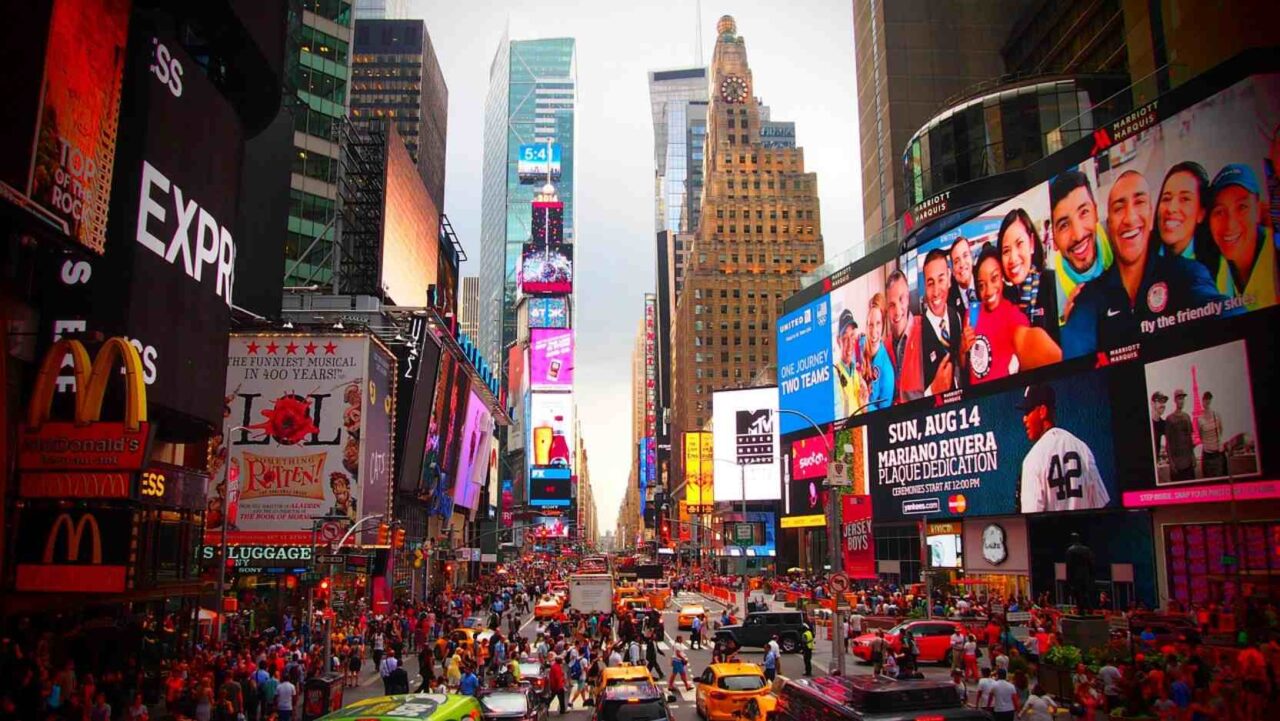
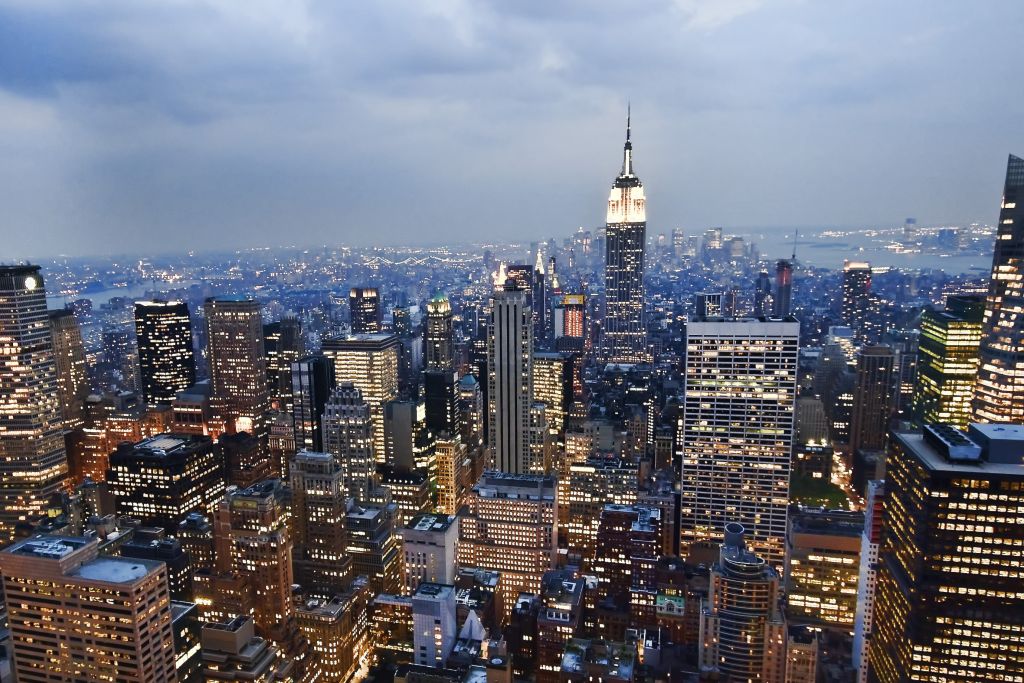
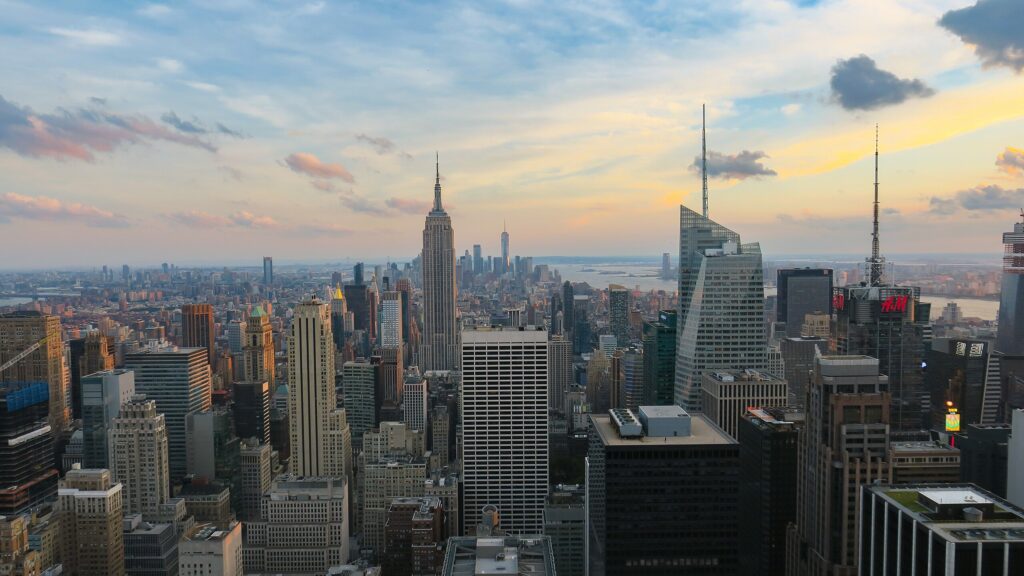
According to the findings, New York City ranks as the most stressful city globally, with a stress score of 7.56 out of 10. The city’s position is driven by long travel times, high crime perceptions, and elevated pollution levels, combined with one of the highest costs of living in the study.
Dublin follows closely in second place, reflecting rising living costs and commuting pressures, while Mexico City ranks third, where safety concerns and air pollution significantly influence stress levels. Manila and London complete the top five, highlighting that stress-inducing factors vary widely between developed and emerging global cities.
Other cities appearing in the top ten include Milan, Athens, São Paulo, Turin, and Kolkata, each facing different combinations of congestion, affordability challenges, crime, or environmental conditions.
The calmest cities to live in
At the opposite end of the spectrum, Eindhoven in the Netherlands emerged as the least stressful city in the world, with a score of just 2.34. Short commutes, strong healthcare infrastructure, and low crime rates all contribute to its ranking.
The Netherlands stands out overall, hosting four of the ten least stressed cities globally: Eindhoven, Utrecht, Groningen, and Rotterdam. This concentration suggests that urban planning, transport efficiency, and access to public services play a critical role in reducing everyday stress.
Different stressors in different regions
The analysis shows that stress is not driven by a single factor worldwide. In many Latin American cities, such as Mexico City and São Paulo, safety and crime remain major contributors. In contrast, cities across Europe and North America often score poorly due to high living costs and congestion rather than security issues.
Healthcare access and air quality also act as balancing forces. Cities with strong healthcare systems and cleaner air tend to score lower on overall stress, even if they face economic or density-related challenges.
Why financial stability matters
Remitly notes that financial security can be a key buffer against stress, allowing residents to plan ahead, manage daily expenses, and support family members abroad. Stable finances, combined with supportive urban environments, make it easier for people to feel settled and resilient, regardless of where they live.
The findings underline how urban stress is shaped by policy, infrastructure, and affordability, offering insight for city planners and residents alike as cities continue to grow and evolve.