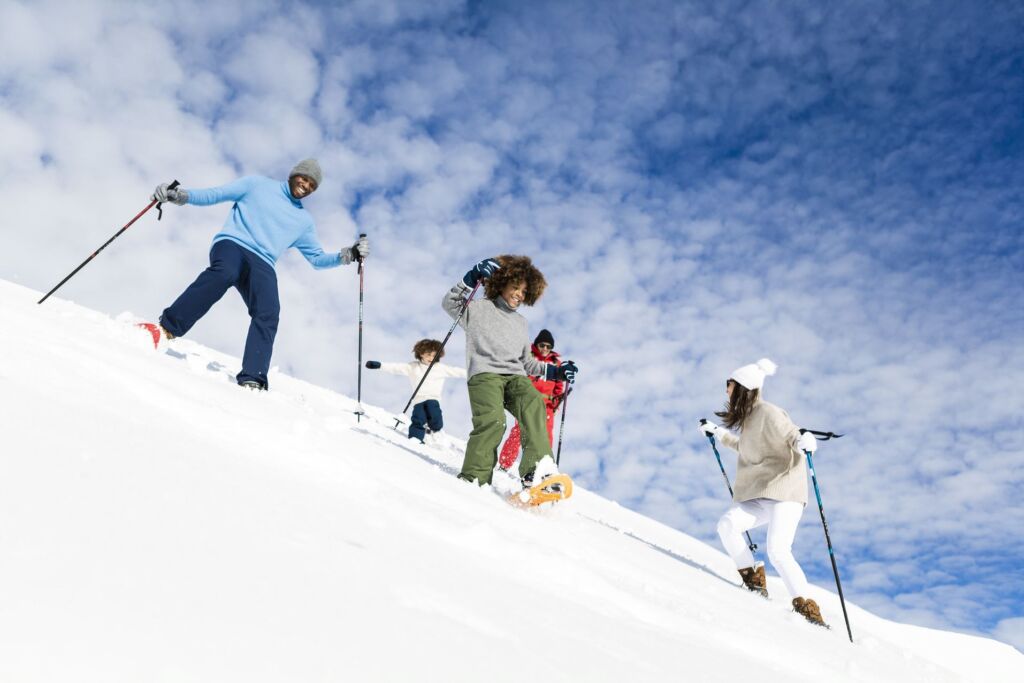
Skiing in the Alps is getting more expensive for the 2025/2026 season as electricity costs push up lift ski pass prices across Europe. Here’s a breakdown of daily ski pass costs in major Alpine countries:
Austria – €69.50 to €83 per adult:
Arlberg/St. Anton: €81.50
Ischgl: €79
Zelden: €83
Kitzbühel: €79.50
Saalbach-Hinterglemm: €79
Zillertal-Mayrhofen: €79
Wilder Kaiser: €76
Zell am See: €79
Obertauern: €69.50
Hochfügen: €79
Switzerland – CHF 65 to CHF 97:
Zermatt: CHF 97
Davos-Klosters: CHF 93
Jungfrau region: CHF 83
Saas-Fee: CHF 83
Portes du Soleil: CHF 81
Meiringen-Hasliberg: CHF 65
Obersaxen-Mundaun: CHF 67
Chandolin: CHF 65
Italy – €55 to €86:
Livigno: €72
Dolomiti Superski: €86
Kronplatz: €80
Racines-Jaufen: €67
Ladurns: €55
Pfelders: €55
France – €59 to €76:
Espace Killy (Val d’Isère/Tignes): €75
La Plagne/Les Arcs: €76
Flaine (Grand Massif): €59
Germany – €51 to €69:
Winterberg (Sauerland): €52
Oberstdorf (Allgäu): €68.70
Zugspitze (Garmisch-Partenkirchen): €69
Feldberg (Black Forest): TBD
Spitzingsee (Bavaria): €51
Lenggries–Brauneck (Bavaria): €53
A day on the slopes for a family of four in Austria can cost up to €250, not including meals, equipment rental, or transportation. The data reflects a general price increase across popular Alpine resorts, with the sharpest rises in Austria and Switzerland.