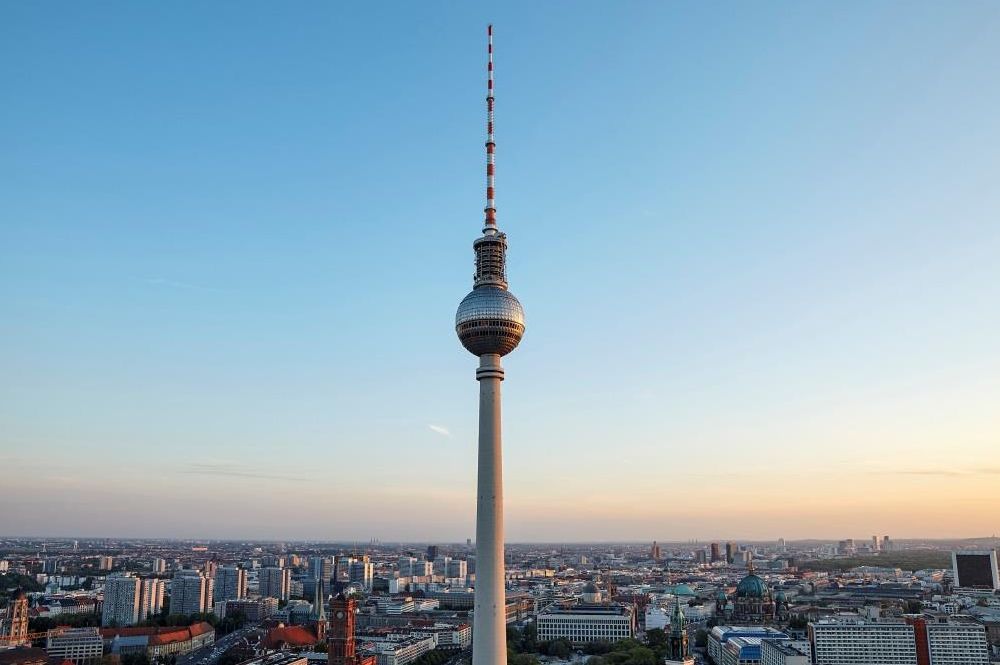

The strongest heat is expected in eastern parts of the country, including Berlin, Brandenburg, Magdeburg, Frankfurt an der Oder and the wider Cottbus area. Southern Germany and Bavaria are also forecast to swelter, with temperatures potentially reaching 38C. Meteorologist Karsten Brandt told BILD that the heat could become dangerous enough to threaten lives, urging people to stay indoors where possible and avoid unnecessary exposure during the hottest part of the day.
Germany May Be Heading Towards a New National Heat Record
The current official temperature record in Germany stands at 41.2C, measured on 25 July 2019 in Duisburg and Tönisvorst. Forecasts suggesting highs of up to 44C would push well beyond that mark and underline just how exceptional this weekend’s heat could become.
While short-lived spikes in temperature are not unusual in European summers, the significance of this event lies in both its intensity and geography. The areas expected to see the highest temperatures include densely populated urban regions and transport corridors, where heat can feel even more oppressive because of built-up surfaces, limited airflow and urban heat island effects. That raises the risks not just for vulnerable residents, but also for public infrastructure, travel reliability and emergency services.
Deutsche Bahn Has Already Changed the Rules for Travellers
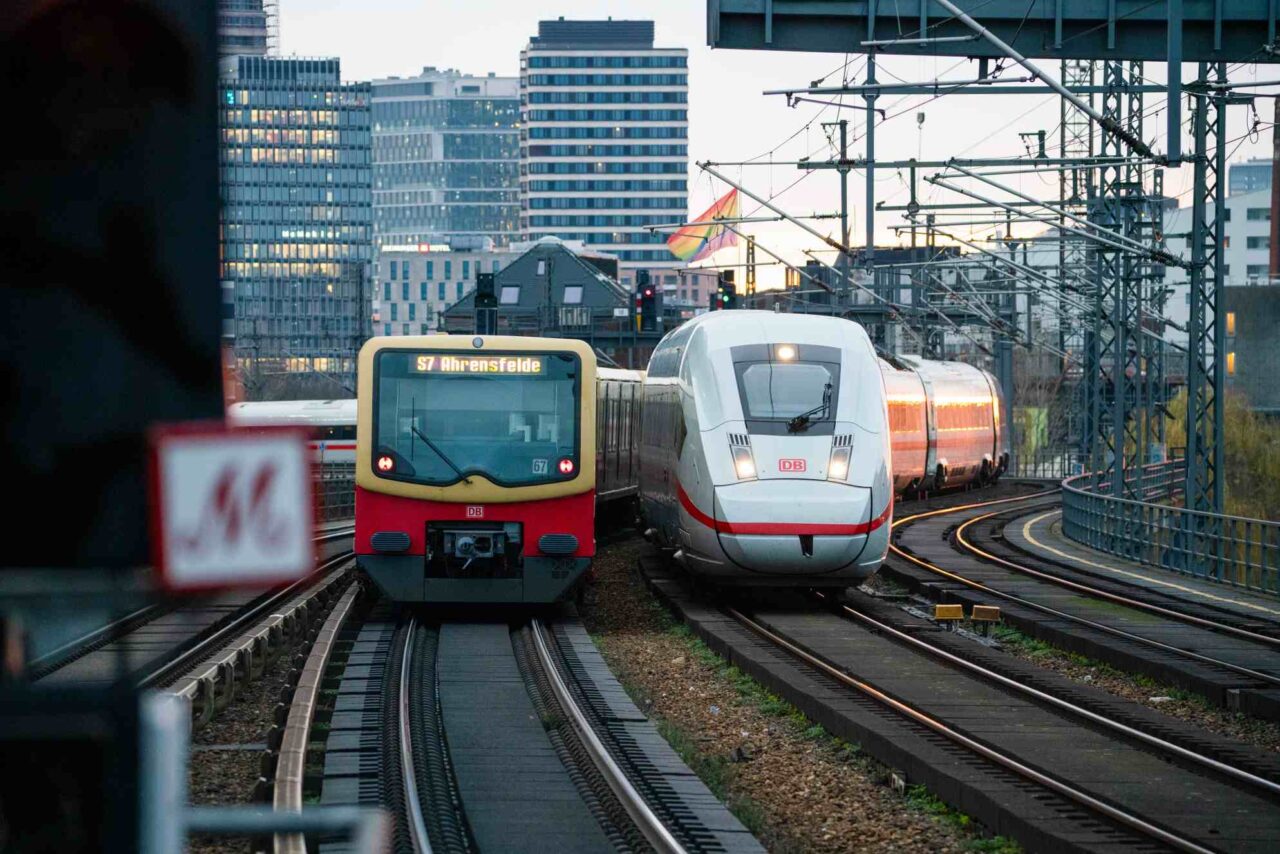
One of the clearest signs of how seriously the heat is being taken is the response from Deutsche Bahn. Germany’s rail operator has introduced a special rule allowing long-distance passengers to cancel their journeys free of charge if they no longer want to travel in the extreme weather.
That is a notable move because it shifts the focus from simple disruption management to passenger welfare. Rail travel during major heatwaves can be uncomfortable even when services run normally, but prolonged extreme temperatures also raise the risk of delays, overcrowding, equipment strain and difficult conditions at stations and on platforms. By offering free cancellations, Deutsche Bahn is effectively acknowledging that for some passengers, avoiding travel altogether may be the safest option.
This Is Becoming a Travel Story as Much as a Weather Story
The heatwave is not just a meteorological event – it is quickly becoming a travel and mobility issue across Germany. Long-distance rail passengers are being given flexibility, while city residents and domestic travellers are likely to face a weekend shaped by warnings, altered plans and attempts to avoid the hottest hours of the day.
For destinations and transport operators, this is increasingly the new summer reality. Extreme heat no longer affects only southern Europe or occasional Mediterranean hotspots. Germany, like France, Italy and parts of central Europe, is now seeing heatwaves intense enough to affect not only public health but also travel behaviour, transport operations and everyday mobility.
Why This Weekend Could Mark Another Turning Point in Europe’s Heatwave Summer
If temperatures do approach 44C, this weekend will be remembered not just because Germany came close to or broke a national record. It will also stand out as another example of how European heatwaves are changing from uncomfortable weather events into broad societal disruptions that affect transport, tourism, public health and how people move through cities.
For travellers, the message is increasingly clear: summer travel planning in Europe now has to account for extreme heat in the same way it once focused mainly on storms, strikes or airport congestion. And in Germany this weekend, that shift is becoming impossible to ignore.