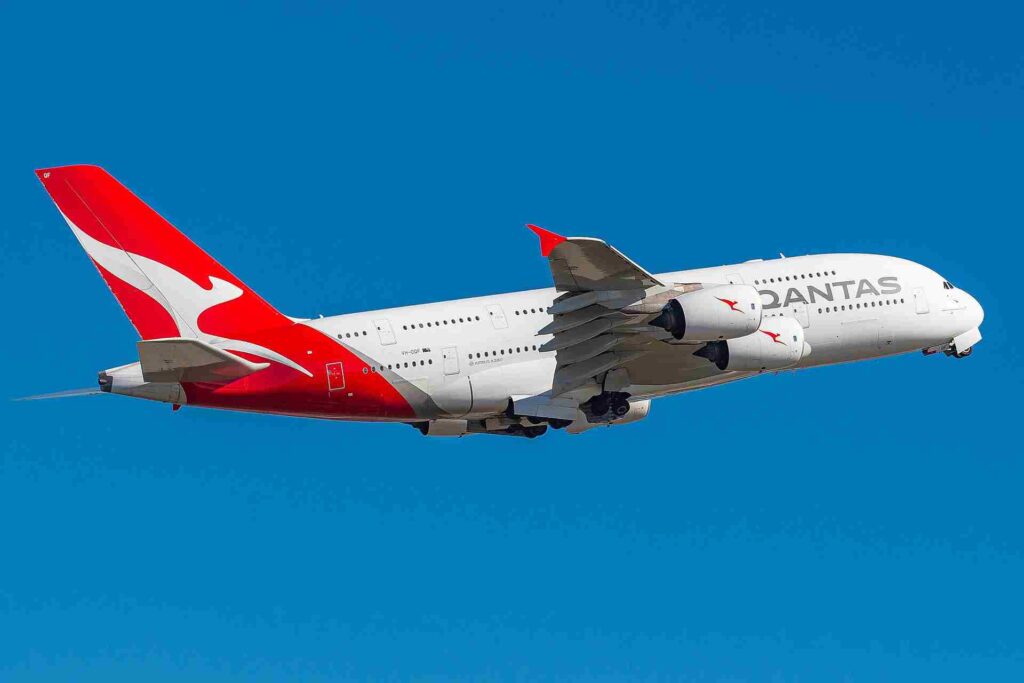

Flight QF10, which operates between London Heathrow and Perth, diverted to Karratha Airport in the Pilbara region on Tuesday after the crew determined that a refuelling stop was necessary before continuing to its final destination.
The diversion highlights the operational challenges airlines can face on ultra-long-haul routes, where weather conditions thousands of kilometres from the destination can significantly affect fuel consumption and flight planning.
Strong Headwinds Prompt Rare Diversion
The Boeing 787-9 Dreamliner departed London Heathrow as scheduled and was expected to arrive in Perth around midday local time after a nonstop journey of more than 17 hours.
However, changing weather conditions during the flight forced the crew to adjust its route, increasing fuel usage beyond original forecasts.
Qantas said the aircraft encountered stronger-than-expected headwinds, requiring an additional fuel stop to safely complete the final portion of the journey.
While such diversions are uncommon, aviation experts note that they remain a standard precaution when weather conditions affect fuel reserves on long-haul flights.
Unexpected Stop in Karratha
Instead of continuing directly to Perth, the aircraft landed at Karratha Airport, located approximately 1,500 kilometres north of the Western Australian capital.
The airport is primarily known for serving the region’s mining industry and fly-in, fly-out workforce rather than international passenger traffic.
The aircraft touched down in Karratha after more than 16 hours in the air, where it remained on the ground for approximately one hour while refuelling operations were completed.
After taking on additional fuel, the flight departed Karratha and continued south to Perth, arriving later the same afternoon.
Karratha Airport’s New International Role
The diversion also highlighted Karratha Airport’s recently expanded capabilities.
Only weeks earlier, the airport received approval to handle larger international aircraft and was designated as both a restricted-use international airport and an alternative international airport.
The facility’s upgraded status enabled it to accommodate the Boeing 787 Dreamliner and provide the necessary support services required for the unscheduled stop.
The development forms part of broader efforts to strengthen aviation infrastructure across regional Western Australia.
Spotlight on Future Ultra-Long-Haul Operations
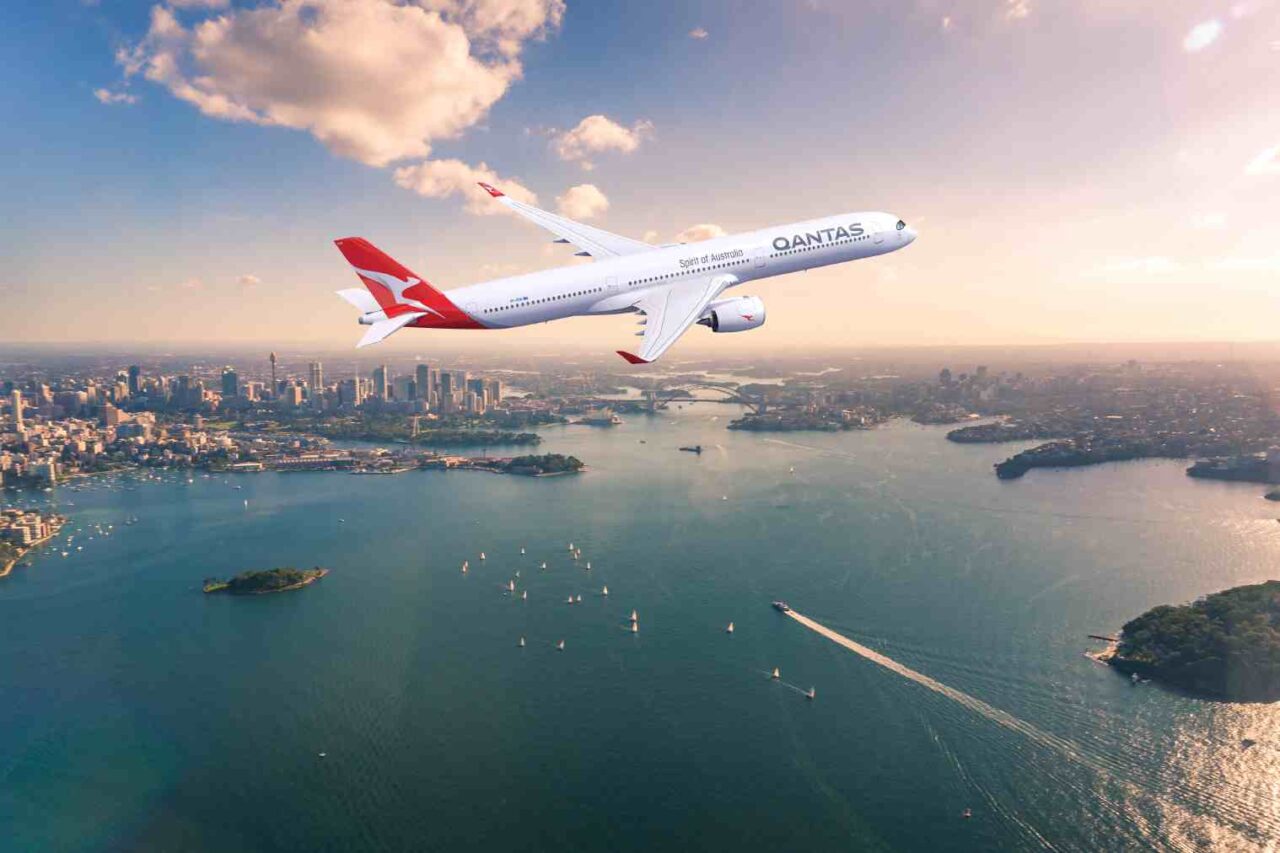
The incident comes shortly after Qantas provided an update on its highly anticipated Project Sunrise programme, which aims to launch some of the world’s longest commercial flights.
The project will eventually connect Sydney directly with London and New York using specially configured aircraft capable of remaining airborne for up to 22 hours.
Although modern aircraft are designed to operate such distances safely, the diversion illustrates how weather patterns and atmospheric conditions can continue to play an important role in flight operations, even on carefully planned routes.
Weather Remains a Key Aviation Factor
Airlines routinely account for factors such as jet streams, turbulence and headwinds when calculating fuel requirements for long-haul flights.
Unexpected changes in those conditions can increase fuel consumption and occasionally require operational adjustments, including diversions for refuelling.
Industry experts stress that such decisions are made out of an abundance of caution and reflect the aviation sector’s strict safety standards.
Flight Continues Safely to Perth
Despite the unexpected stop, the flight completed its journey safely after refuelling in Karratha.
Passengers eventually arrived in Perth several hours later than originally scheduled, concluding a journey that demonstrated both the challenges and resilience of modern ultra-long-haul air travel.
As airlines continue pushing the boundaries of nonstop flight distances, weather conditions and fuel management will remain critical factors in ensuring safe and efficient operations.