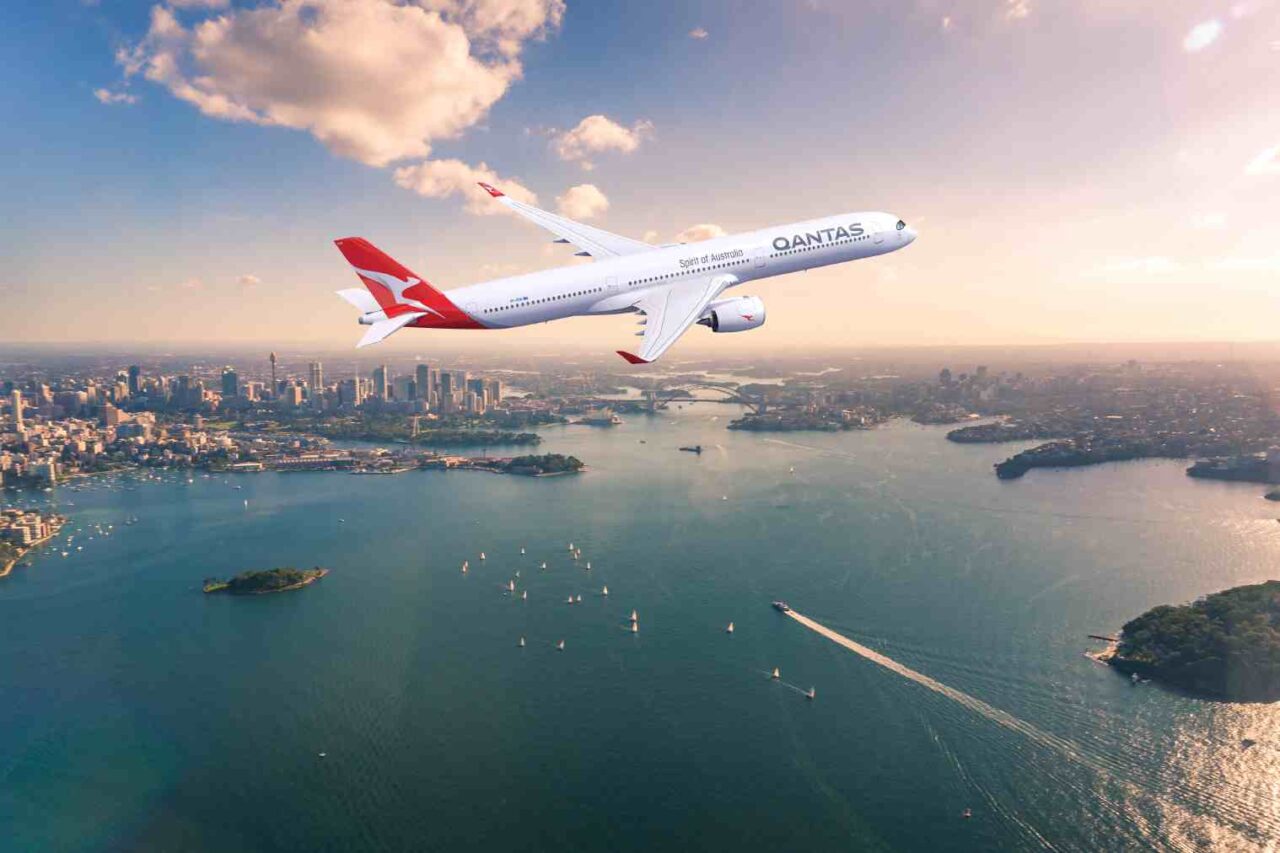
Qantas is moving closer to launching its Project Sunrise service, after revealing that it will soon know when the first Airbus A350s will begin operating its planned 20-hour non-stop flights.
The Australian carrier has long promised direct services linking Sydney with London and New York, and the latest update points to another step towards making those ultra-long-haul routes a reality. The airline has previously said the flights would cut journey times and remove stopovers on some of the world’s longest commercial routes.
Project Sunrise is one of the most closely watched airline plans in global aviation because of the scale of the journey. A nonstop flight lasting around 20 hours would push aircraft, crews and passengers to their limits and require careful planning around fuel load, cabin comfort and crew rest.
Qantas first announced the project several years ago, but the programme has faced delays linked to aircraft supply, the pandemic and technical work needed to make the flights commercially viable. The airline’s latest comment suggests the start date for the first A350 operations is now becoming clearer.
The Airbus A350 is central to the plan. Qantas selected the long-range aircraft because it can cover the distances needed for nonstop east coast Australia to Europe and North America flights while carrying enough passengers and cargo to make the routes profitable.
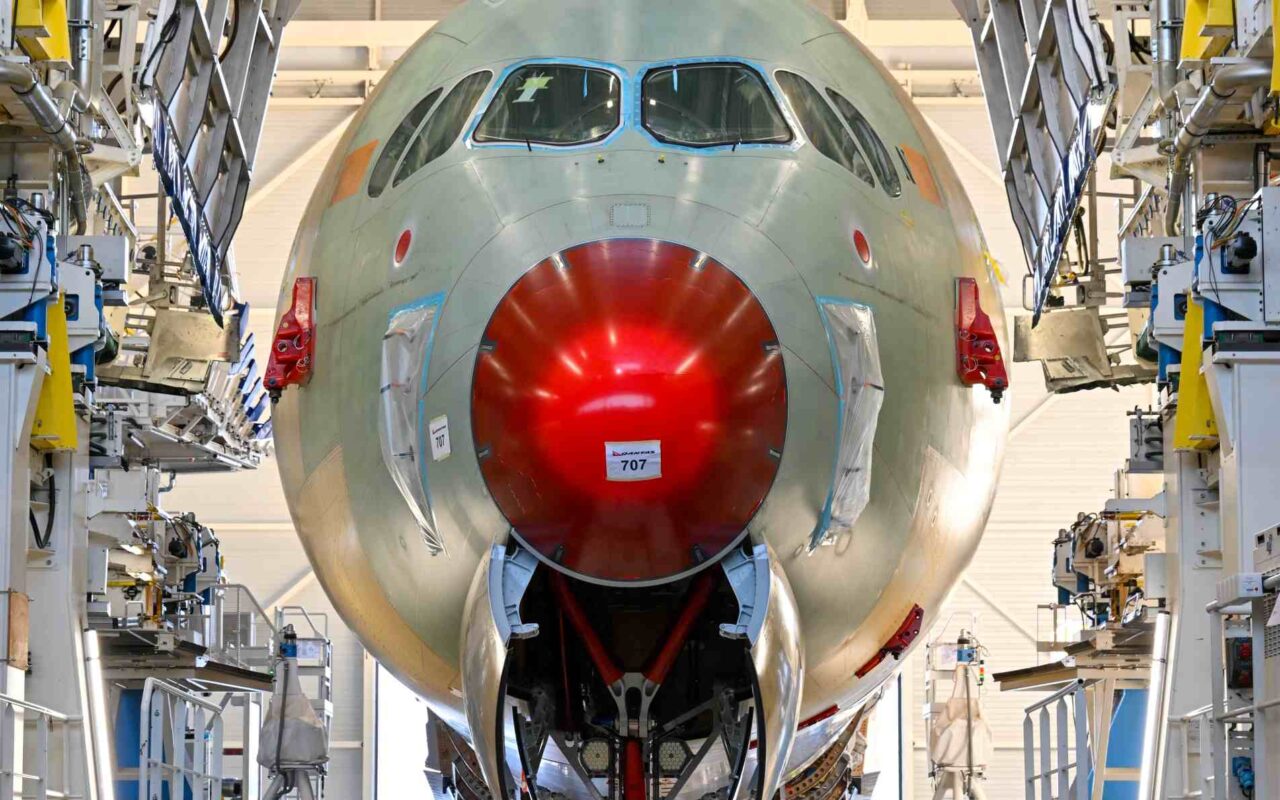
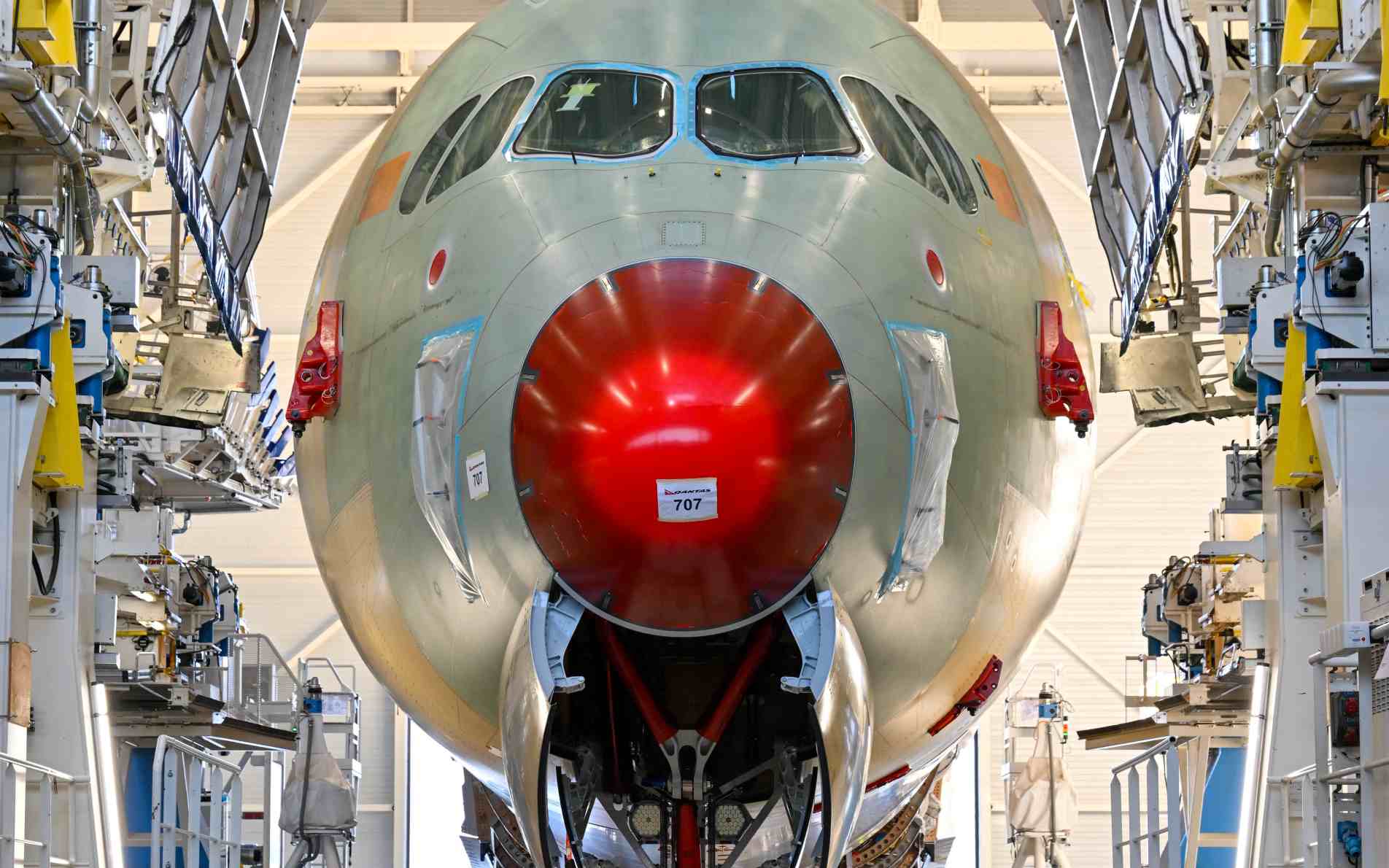
The first Airbus A350-1000ULR (Ultra Long Range) jet is now slated for delivery in April 2027, Airbus says, “with further deliveries to follow in quick succession.”
Ultra-long-haul flying has become a major point of competition among international airlines as carriers look for faster links between far-flung cities. For travellers, the promise of Project Sunrise is simple: fewer connections, shorter overall travel time and a smoother trip on some of the longest routes in the world.
However, the project also raises questions about ticket pricing, passenger fatigue and how airlines manage health and comfort on such lengthy flights. Qantas has previously said cabin design will be a key part of the aircraft fit-out, with more space and features intended to support the very long journey.