One of the world’s most famous ancient monuments is now visible in a way that visitors have not seen for decades.
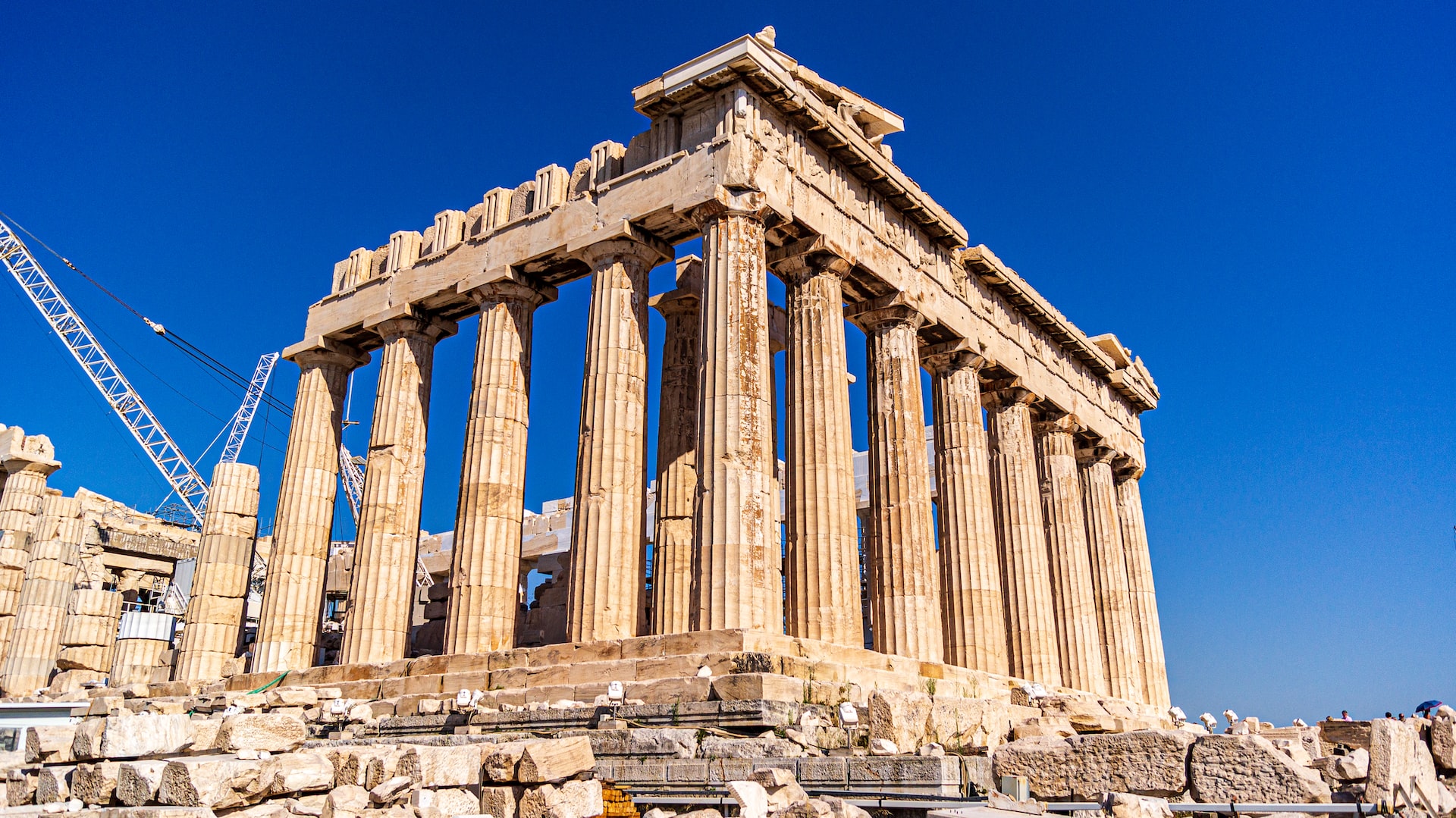
The Parthenon, the iconic temple that crowns Athens’ Acropolis, has emerged from behind external scaffolding following the completion of a major restoration phase on its western façade.
Greek restoration experts officially unveiled the results during a special ceremony, marking another milestone in one of the world’s longest-running heritage conservation projects.
A Historic Restoration Milestone
The latest phase of work focused on the western pediment of the Parthenon, the section of the temple first seen by visitors as they enter the Acropolis.
Restoration teams carefully installed two new marble blocks high on the western façade, filling gaps that had remained visible for more than two centuries.
The damaged sections were the result of centuries of warfare, weather exposure, structural deterioration and historical looting.
Ancient Proportions Revealed Again
Greek Culture Minister Lina Mendoni described the restored appearance of the monument as “truly stunning.”
According to restoration experts, the newly installed marble elements do more than simply repair missing sections. They help reveal the original proportions and geometric harmony of the western side of the temple, features that had been largely obscured since the early 1800s.
The project was financed through a European Union funding programme and forms part of the wider restoration of the Acropolis.
Decades Of Conservation Work
The Acropolis restoration programme has been underway continuously since 1975.
Over the past five decades, specialists have worked to stabilize structures, replace damaged elements and preserve one of humanity’s most significant architectural achievements.
The Parthenon, built during the 5th century BC, remains the most recognizable monument of classical Greece and one of the world’s most visited archaeological sites.
A Better Experience For Visitors
The removal of scaffolding and construction equipment means travelers can once again enjoy unobstructed views of the temple and photograph the monument without cranes and metal structures dominating the scene.
For many visitors, the restoration represents a rare opportunity to experience the Parthenon in a form much closer to its original appearance.
Record Tourism Numbers Expected
The Acropolis continues to attract record numbers of visitors.
Last year, the archaeological site welcomed approximately 4.87 million visitors, making it Greece’s most popular cultural attraction.
With the completion of this important restoration phase, tourism officials expect even stronger demand for visits to Athens and the Acropolis during the summer and autumn of 2026, as travelers seek to see the newly restored monument firsthand.