After more than a decade of negotiations, the European Parliament and the Council of the European Union have reached a provisional agreement on a major overhaul of air passenger rights, introducing new protections while preserving compensation rules for delayed flights.
The reforms include a ban on airline charges for hand luggage, free seating for families travelling with children, and continued compensation of up to €600 for passengers affected by significant delays.
If formally approved by both institutions, the new rules are expected to take effect in 2027.
Compensation rules remain unchanged
One of the most closely watched aspects of the negotiations was the future of compensation payments for delayed flights. Several EU member states had sought to reduce airlines’ obligations, but lawmakers ultimately decided to preserve existing passenger protections.
Under the agreement, passengers will continue to be entitled to compensation ranging from €250 to €600 depending on the flight distance when their journey is delayed by three hours or more.
Airlines will still be allowed to reduce compensation if they provide suitable alternative travel arrangements. As under current regulations, compensation will not apply in cases of extraordinary circumstances beyond the airline’s control, including severe weather, natural disasters, armed conflicts, air traffic control disruptions, airport strikes or security-related incidents.
Free hand luggage for all passengers
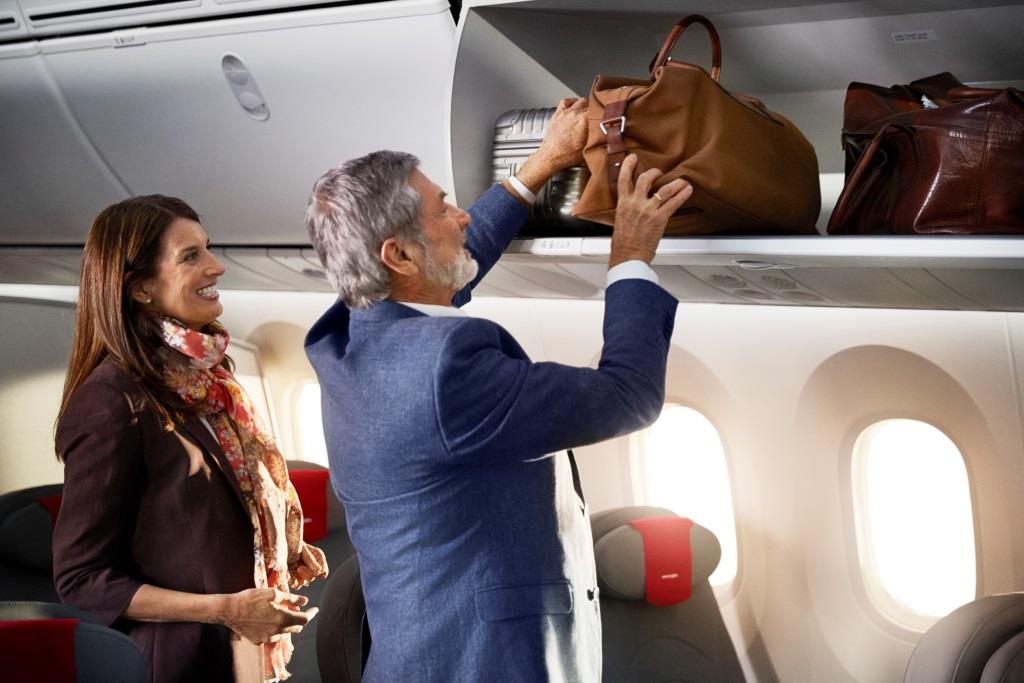
The agreement also introduces a new right to carry hand luggage free of charge, a move that could significantly affect the business models of many low-cost airlines.
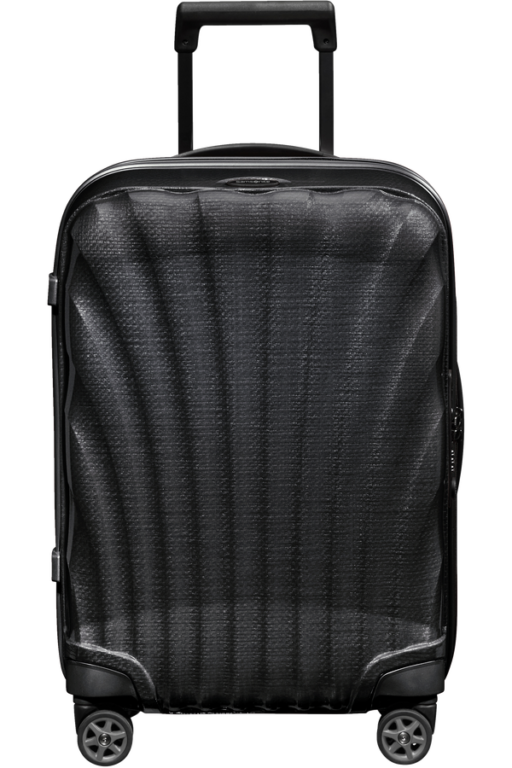
Passengers will be entitled to bring one personal item measuring up to 40 x 30 x 15 centimetres, as well as a small wheeled cabin bag weighing up to seven kilograms, without additional fees.
The measure is expected to end the practice of charging separate fees for standard cabin baggage on many European routes.
However, airlines will still be permitted to offer discounted fares to travellers who voluntarily choose to travel without hand luggage.
Families guaranteed free adjacent seating
Under the new rules, airlines must seat children aged 14 or younger next to an accompanying adult at no additional cost.
The same protection will apply to passengers with disabilities, travellers with reduced mobility and pregnant women.
The reforms also prohibit airlines from charging fees for minor spelling corrections to passenger names and for issuing printed boarding passes.
Industry warns of higher costs
Airlines have argued that the stricter passenger protections could increase operating costs and eventually lead to higher ticket prices, particularly as carriers continue to face elevated fuel expenses and ongoing geopolitical uncertainty.
Despite these concerns, European lawmakers maintained that passengers should retain basic rights and protections when travelling by air.
“Today, Europe is delivering for air passengers. We have protected the rights people already have, added new safeguards, and brought greater clarity when things go wrong,” said Virginijus Sinkevičius, Vice-Chair of the European Parliament’s Transport and Tourism Committee.
“After more than a decade of deadlock, Europe is finally updating air passenger rights while keeping passengers firmly at the centre,” he added.
Final approval still required
The provisional agreement must now be formally approved by both the European Parliament and the European Council.
Members of the European Parliament are expected to vote on the package during the institution’s July plenary session. If adopted without major changes, the revised passenger rights framework is expected to enter into force in 2027.